Call us today for a free estimate. +1 (385) 424-8810
Call us today for a free estimate. +1 (385) 424-8810
Call us today for a free estimate. +1 (385) 424-8810

The Straight Answer
For homeowners planning to stay put long-term, yes — metal roofing is worth it in Utah: it shrugs off the canyon wind that peels shingle roofs, sheds snow instead of holding it through freeze-thaw season, and can outlast two or three asphalt re-roofs over its lifetime. It costs more upfront than asphalt, no question, but the math tends to work out for people who plan on staying rather than selling in a few years. It’s a fit decision, not a universal upgrade.
Metal roofing has grown rapidly in popularity across Utah over the past decade — and for good reason. But it’s also a bigger upfront investment than traditional asphalt shingles. So is it actually worth it for Utah homeowners?
Metal costs more than asphalt — a real multiple of what a quality shingle roof runs, not a small step up — and the number moves with roof size, pitch, and the type of metal used. Rather than hand you a range off the internet, we’d rather price your actual roof. Ask us for a real number and we’ll give you one, no strings attached.
A quality metal roof installed by a licensed contractor can last 40 to 70 years. Compared to asphalt shingles at 20–25 years, you may never need to replace your roof again.
Very well — arguably better than any other material. Metal roofing handles Utah’s specific challenges effectively. It sheds snow instead of holding it, is highly impact-resistant against hail (often rated Class 4), doesn’t degrade from UV exposure, and withstands high winds common on the Wasatch Front.
Metal roofs reflect solar heat rather than absorbing it. Utah homeowners commonly report lower air conditioning costs in summer after switching to metal — especially with lighter-colored options.
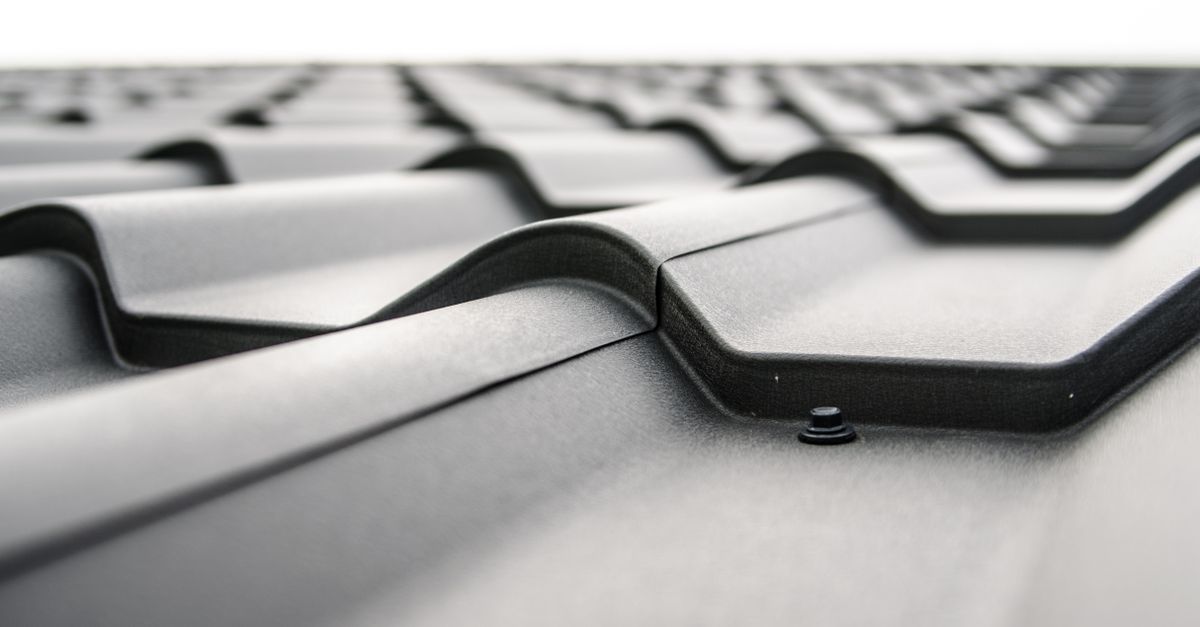
Here’s the part of long-term ownership nobody puts in a brochure: what the roof actually needs from you once the crew drives away. With asphalt, the honest answer is a re-roof conversation every couple of decades and a repair visit whenever a storm wins one. With metal, the list is shorter. A few times a year — and after any big windstorm — give it a look from the ground. You’re checking that fasteners and seams still sit tight, that the sealant around vents, chimneys, and other penetrations hasn’t cracked, and that valleys and gutters are clear of leaves and branches. That’s the whole job description. A metal roof’s idea of high drama is a pine branch resting somewhere it shouldn’t.
The one real rule: when something does need attention — a sealant touch-up, a bent snow guard — have someone who knows metal do the work. Walking a metal roof the wrong way, or patching it with the wrong product, causes more trouble than the original issue ever would have. We’re happy to be that someone, and we’ll tell you honestly if it’s nothing.
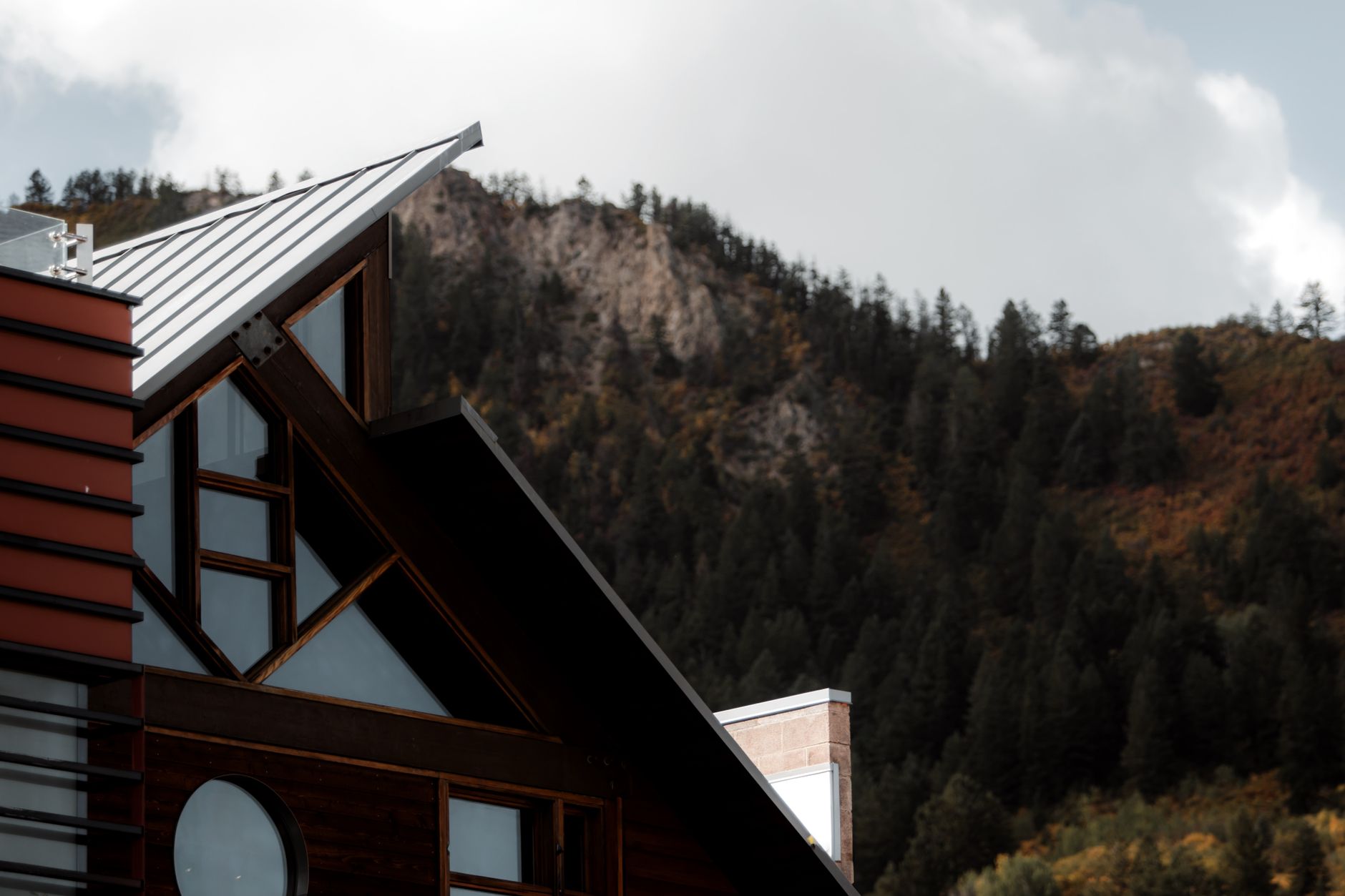
If you live anywhere along the Payson–Spanish Fork corridor, you already know what canyon wind does. The gusts that funnel out of Spanish Fork Canyon are a normal part of living here, and the 2020 windstorm showed the whole Wasatch Front what wind can do to a shingle roof — entire slopes peeled in an afternoon. Wind, not hail, is the most common storm damage we see on Utah roofs. Standing seam metal is mechanically locked panel to panel, with no individual shingle edges for a gust to grab, which is why it handles canyon wind about as well as anything you can put on a house. Hail, for its part, mostly leaves cosmetic dents on metal rather than the granule loss and bruising that quietly shorten a shingle roof’s life.
Snow is the other half of the Utah story. Metal sheds bench snow instead of holding it, which means less snowpack sitting on the roof through freeze-thaw season and far less fuel for ice dams. The trade-off is that shed snow arrives all at once, so a proper Utah install includes snow retention over doorways, walkways, and anything below the eaves you’d rather keep. If you’re still weighing the two materials head to head, our full comparison walks through all of it.
Even if you’re planning to stay put, it’s worth knowing how a metal roof reads when a house changes hands. To a buyer’s inspector, a sound metal roof is one of the shortest paragraphs in the report: decades of expected life left, no re-roof looming over the first years of ownership. That’s a genuine selling point, and appraisers treat remaining roof life as real value. The honest caveat — the same one we give across the kitchen table — is that you shouldn’t expect to recoup the full premium at sale, and in a neighborhood full of shingle roofs, some buyers simply expect shingles. Think of the resale story as a bonus on top of the ownership math, not the reason to choose metal. The reason to choose metal is the forty-year stretch where the roof quietly does its job and you think about it roughly never.
A metal roof earns its keep in small ways too: fewer storm repairs, no re-roof looming every couple of decades, and durability that even your insurance company may look kindly on — worth a passing question next time you talk to your agent, nothing more. The bigger story is simply that a roof you install once and stop thinking about costs you less attention, and less money, over the years you own it.
If you’re planning to stay in your home long-term and want a roof you’ll never have to think about again, metal is worth the investment. If you’re planning to sell within 5–10 years, asphalt shingles are more cost-effective.
The last piece of the long-term math is the most practical one: how you pay for it. A metal roof front-loads its cost, and most families don’t keep a roof’s worth of cash parked in savings — nor should they have to. That’s why a lot of our neighbors choose to get a new roof on our money: straightforward financing, friendly terms, and a real number for your actual roof before anything gets signed. And no pressure either way — if asphalt, or simply waiting a season, is the right call for your house, we’ll say so.
Call or text us at 385-424-8810, or start with the number: get your instant metal roof quote and ask about financing — no cost, no obligation, a straight answer.
Rooval Roofing installs standing seam metal roofs, metal shingles, and corrugated metal roofing throughout Utah County and Salt Lake County.
Get a free metal roofing estimate today.
For homeowners planning to stay put long-term, yes – a metal roof lasts 40-70 years versus 20-25 for shingles, so you may never buy another roof. It also handles Utah’s freeze-thaw cycles, high-UV summers, and Wasatch Front hail and wind better than any other material. If you expect to sell within 5-10 years, though, asphalt shingles are usually the more cost-effective choice.
Noticeably more — metal runs a real multiple of what a comparable asphalt shingle roof costs, and the gap comes from the material and the specialized install. Over the roof’s much longer lifespan, energy savings and decades of skipped re-roofs help narrow that difference. For a number that actually fits your house, ask us — we price both materials.
It can. Metal reflects solar heat instead of absorbing it, and Utah homeowners commonly report lower summer air-conditioning costs after switching – especially with lighter-colored panels. Those savings add up over a roof that lasts decades under our intense high-UV sun.
Very well. Metal sheds bench snow rather than letting it pile up and drive ice dams, and it’s highly impact-resistant against hail, with many products carrying a Class 4 rating. It also handles the high canyon winds common along the Wasatch Front, which is a big part of why it’s a strong fit for Utah homes.