Key Takeaways
- Metal roofs last 40 to 70 years in Utah; architectural asphalt shingles typically last 22 to 28 years.
- Foothill and bench neighborhoods (Alpine, Highland, Draper bench) face higher ice dam and snow load risk, where metal performs better.
- Both materials are available with a Class 4 impact rating, the highest hail resistance classification.
- Metal roofing costs more upfront but may be the last roof a long-term homeowner ever needs.
- Attic ventilation affects performance for both materials. The inspection determines the right recommendation for your specific roof.
Your roof is old, or a storm just tore it up, and now every contractor who walks your yard gives you a different answer. One says metal is the only smart choice. Another says asphalt is just fine. The price quotes do not agree with each other either.
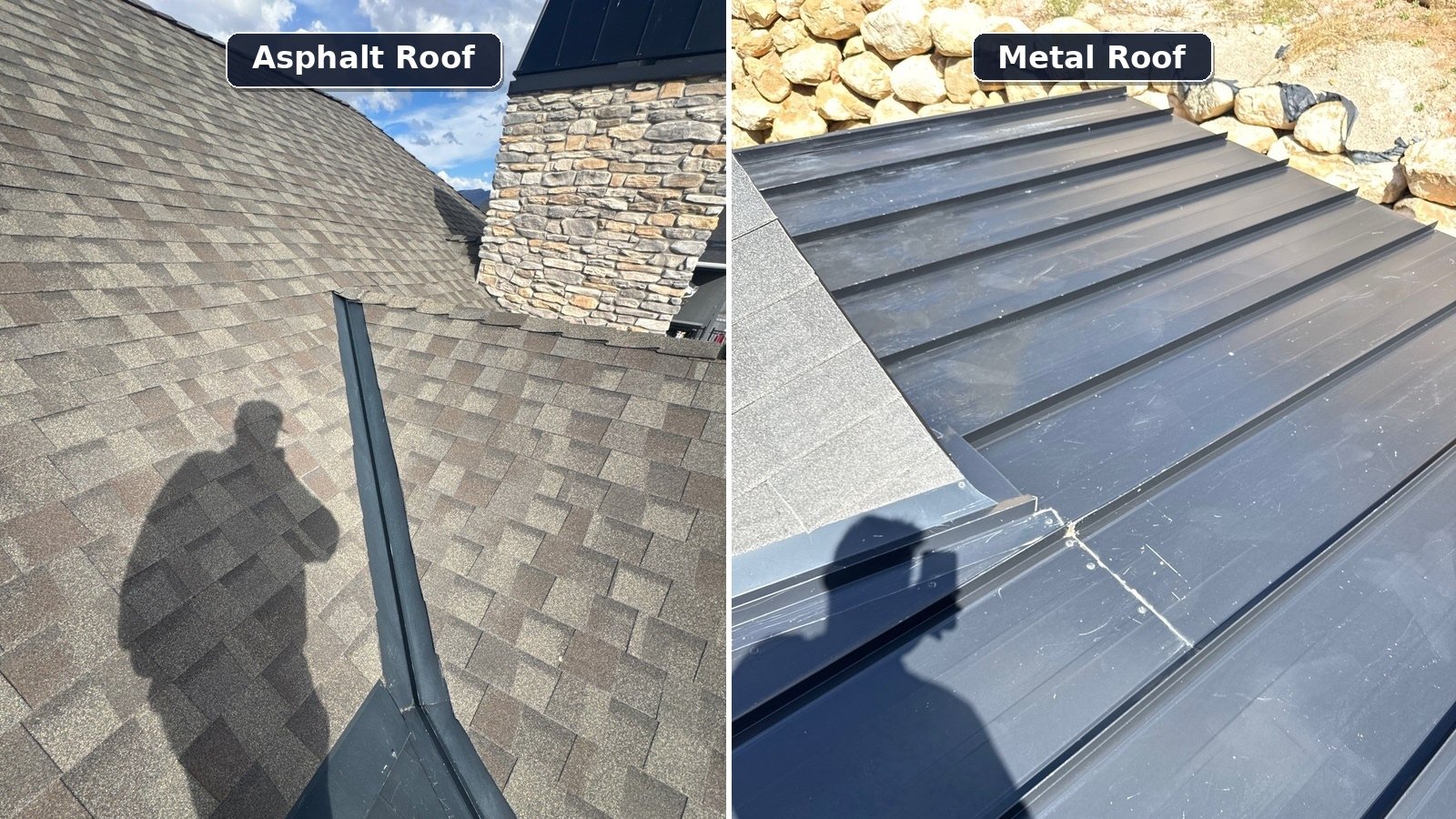
So which one actually holds up on a Utah roof? A metal roof usually lasts 40 to 70 years here and sheds snow before ice can build up at the edge. Architectural asphalt usually lasts 22 to 28 years and costs less to install. Neither one is automatically right. It depends on your roof’s slope, how high up you live, and whether you have had ice dam problems before.
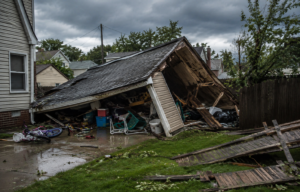
Utah’s Division of Emergency Management notes that winter storms cause more weather-related deaths in Utah than any other kind of severe weather, and that fast growth along the Wasatch Front is putting more homes in the path of hail damage each year. That is the kind of weather your roof has to survive, and it is why the answer is not the same for every home.
Keep reading for what actually matters: ice dams, hail, freeze-thaw cycles, how long each material lasts, and cost, so you know what to ask during your inspection.
What Utah’s Climate Does to a Roof
Utah County and the Salt Lake Valley face a specific set of roofing stressors: Local freeze-thaw, snowfall, and temperature-swing patterns for the valley are tracked directly by the National Weather Service’s Salt Lake City climate records, which is a useful reference if you want to see the swings for yourself.
- Freeze-thaw cycling: Temperatures swing from below freezing at night to above freezing during the day throughout winter and into spring. Each cycle stresses materials, caulking, and flashing joints.
- Heavy snow loads: Bench neighborhoods in Alpine, Highland, Draper, and Lehi collect significantly more snowpack than the valley floor. Homes at higher elevations hold that weight longer.
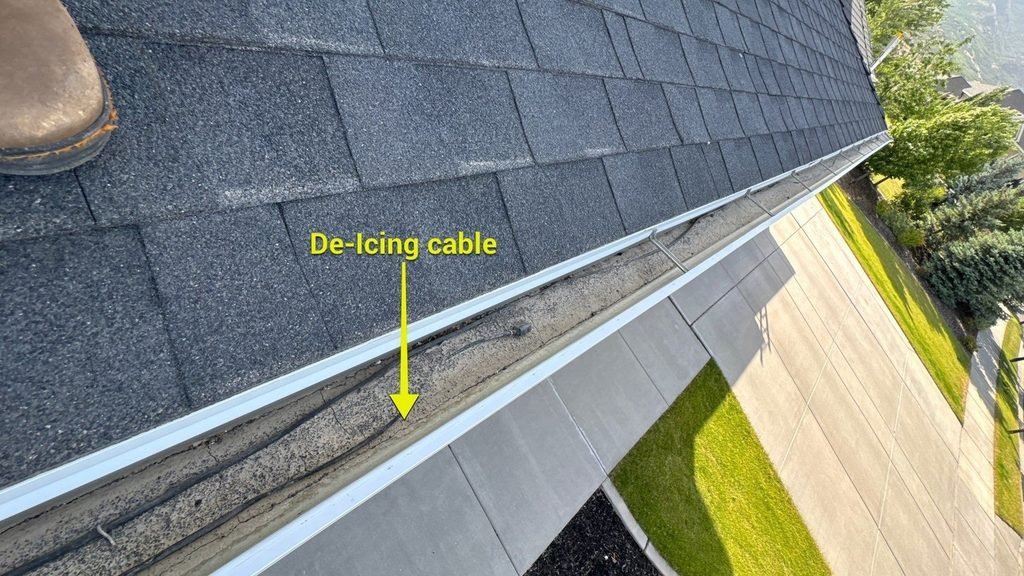
- Ice dams: Attic heat melts the bottom layer of accumulated snow. That water runs toward the overhang, refreezes at the cold eave, and backs up under shingles. Ice dams account for a large share of the leak calls Rooval Roofing receives from January through March.
- Canyon winds: East winds funneling out of canyons near Traverse Mountain, Point of the Mountain, and Little Cottonwood hit exposed ridgelines first. Wind-lifted shingles, separated ridge caps, and damaged flashing follow
- Summer UV and heat: The Wasatch Front sits at an elevation with high UV intensity. Asphalt granules absorb radiation day after day, accelerating granule loss compared with lower-elevation or more temperate climates.
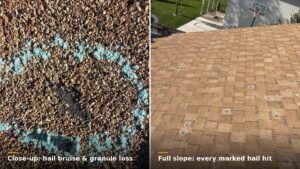
- Spring hail: Storms crossing Utah County can deliver inconsistent hail in size and timing. A roof that looks fine in October can show significant granule bruising after a single spring event.
How Long Does Each Material Last in Utah?
Asphalt Shingles
Standard three-tab shingles carry 20–25-year manufacturer warranties. Architectural (dimensional) shingles, built with multiple fiberglass mat layers, typically carry 30-year warranties and perform better under hail and wind. In practice, a well-installed architectural shingle roof on a properly ventilated Utah home often lasts 22 to 28 years.
Builder-grade shingles installed during the late 1990s and early 2000s, common across Lehi, Saratoga Springs, Eagle Mountain, and American Fork, are reaching that window right now.
Factors that shorten asphalt lifespan in Utah:
- Dark shingle colors that absorb more UV and summer heat
- Poor attic ventilation that raises deck temperature and bakes shingles from below
- Inadequate ice-and-water shield at the eaves on homes that accumulate ice dams
- Steep south-facing slopes with prolonged UV exposure and thermal expansion cycles
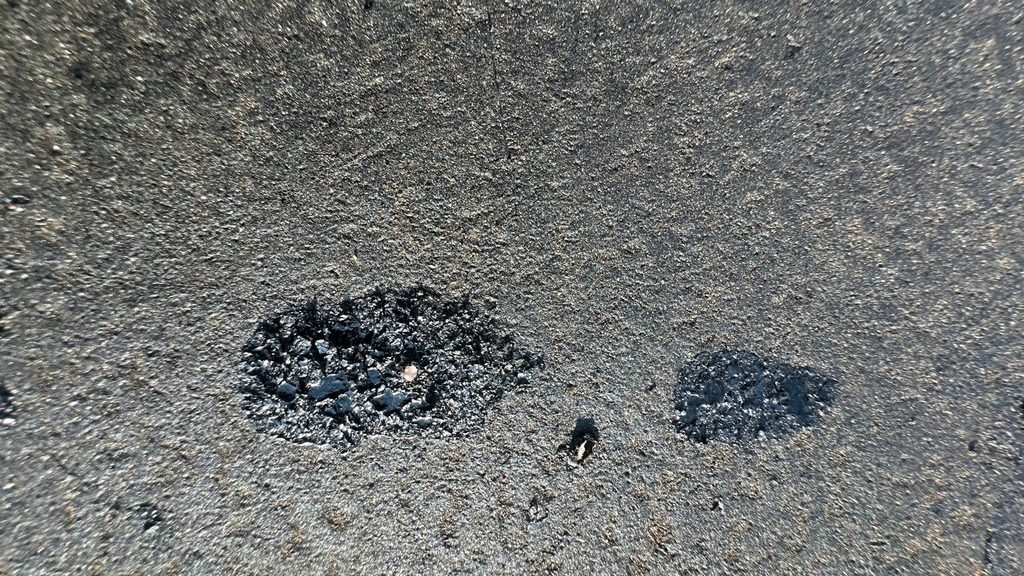
- Hailstorms that fracture granules and expose the underlying mat to water and sun
Metal Roofing
A standing seam or stone-coated steel roof installed correctly in Utah can remain structurally sound and weathertight for 40 to 70 years. Exposed fastener panels sit at the shorter end of that range because fasteners require periodic inspection as the metal expands and contracts through freeze-thaw cycling.
The practical implication: a well-chosen metal roof installed today may be the last roof the home ever needs. An asphalt roof installed today will likely need replacing once more before the home is 50 years old.
Side-by-Side: How Each Material Handles Utah’s Conditions
| Factor | Metal Roofing | Architectural Asphalt |
| Lifespan in Utah | 40 to 70 years | 20 to 28 years |
| Ice dam performance | Interior water stains near exterior walls; soft roof decking near eaves | Repair or Replace: Requires a moisture check to evaluate underlying deck damage. |
| Hailstorm bruising (June–Sept) | Soft spots underfoot, dented vents/gutters, widespread granule loss | Likely Replacement: Utah matching laws often turn partial hail claims into full replacements. |
| Snow load sagging | A visible dip or wave along the roofline | Inspect Immediately: Indicates structural failure; requires professional evaluation before proceeding. |
| Canyon wind performance | Concealed-fastener standing seam is highly wind-resistant | Properly installed architectural shingles rated 110 to 130 mph; ridge caps are most vulnerable |
| UV and summer heat | Reflects solar radiation; cooler roof deck and attic | Absorbs heat; dark colors amplify the effect at Wasatch Front elevation |
| Freeze-thaw cycling | Designed to expand and contract; concealed fasteners reduce stress | Becomes brittle past 15 to 18 years at temperature extremes |
| Maintenance | Periodic inspection; debris clearance from valleys | Annual inspection; flashing reseal; shingle replacement after storms |
| Insurance discount potential | Class 4 systems often qualify; confirm with your carrier | Class 4 architectural may also qualify depending on the carrier and county |
The Ice Dam Problem Behind Most Winter Leak Calls
Ice dams are the most common winter roofing complaint across Lehi, Highland, Alpine, Draper, and the bench neighborhoods. They form when heat escapes through the roof deck, melts the underside of accumulated snow, and that water refreezes at the cold eave. The ice ridge grows with each melt-freeze cycle until it forces water back under the shingles.
Asphalt shingles are not designed to handle standing water. By the time ceiling staining appears, moisture is often already in the decking and insulation.
Metal roofing addresses this differently. On a properly sloped standing seam system, snow sheds before it has time to melt and refreeze at the eave. The caveat: attic ventilation needs to be correct regardless of material. A poorly ventilated attic raises deck temperature, whether the roof above is asphalt or steel.
| “When Rooval Roofing inspects a home with ice dam history, the attic check is always part of the assessment. In some cases, improving ventilation and upgrading the ice-and-water shield extends a serviceable asphalt roof by several years. In others, particularly on north-facing slopes in Alpine or on the Draper bench, standing seam metal is the more durable long-term solution.” See how Rooval Roofing documents ice dam and storm damage: Book a Free Roof Inspection |
Hail Resistance and What It Means for Your Insurance
Hail is a fact of life on the Wasatch Front. Storms from April through September can deliver everything from quarter-inch pellets to golf ball-sized hail in the same event.
Impact Ratings
Both asphalt and metal roofing products are available with a Class 4 impact rating (the highest classification under UL 2218 testing). Class 4 means the material survived a two-inch steel ball dropped from 20 feet without cracking or splitting. For asphalt, Class 4 typically requires an architectural product. Most commercial-grade standing seam and stone-coated steel systems achieve Class 4 as standard.
What Hail Actually Does to Each Material
- Asphalt shingles: Hail shows up as bruised or missing granules, fractured mat, and sometimes cracked tabs on older shingles. Granule loss accelerates oxidation and shortens remaining lifespan. The damage is not always visible from the ground.
- Metal: Hail can cause cosmetic denting, particularly on softer aluminum panels. Harder steel systems hold up better structurally. A properly installed metal roof rarely experiences a breach from Utah hail, but cosmetic damage may still affect the insurance outcome.
The Documentation Your Insurance Claim Needs
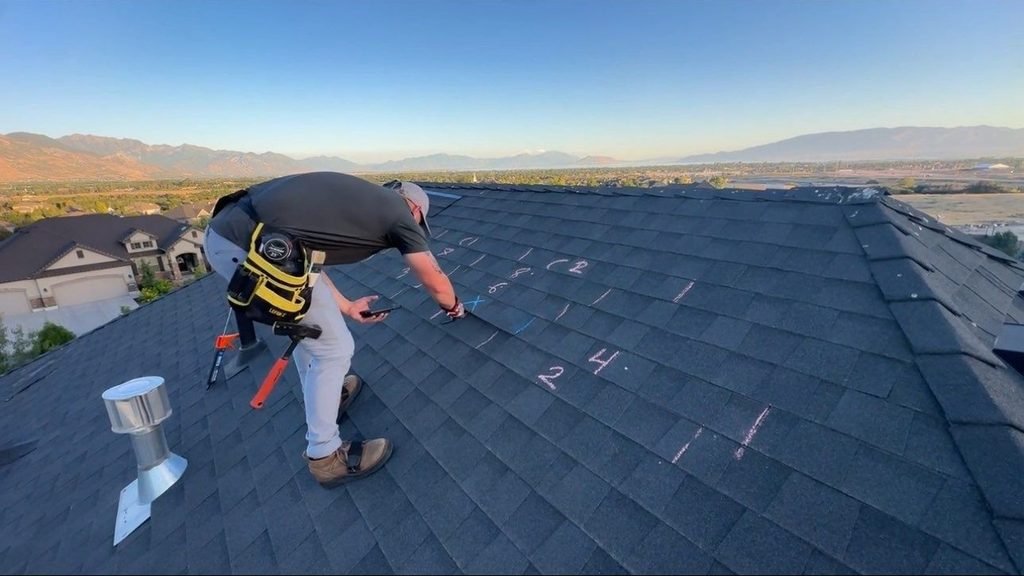
After a hailstorm, the adjuster’s visit determines whether a claim gets paid or denied. What matters is a clear, dated photo record showing damage on your specific roof.
Rooval Roofing documents every inspection with photos of all four elevations, every slope, and every point of impact or concern. That record belongs to the homeowner regardless of whether they hire us for the work. Rooval Roofing does not file or negotiate claims, but the documented inspection helps you keep organized records for the process.
Not All Metal Roofing Is the Same
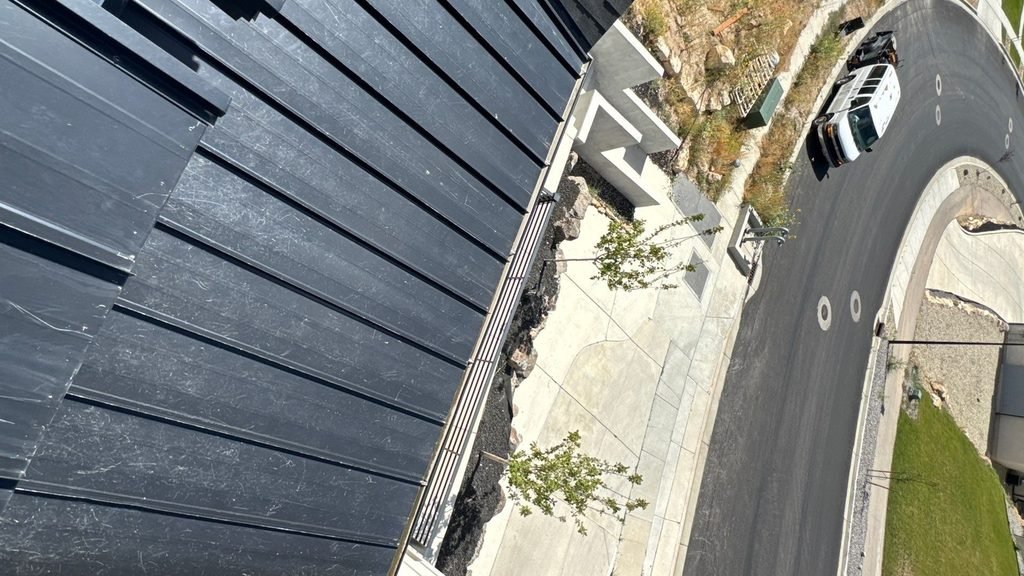
Metal roofing is not a single product. The panel type and fastener system affect lifespan, maintenance, and performance in Utah’s freeze-thaw climate.
Standing Seam
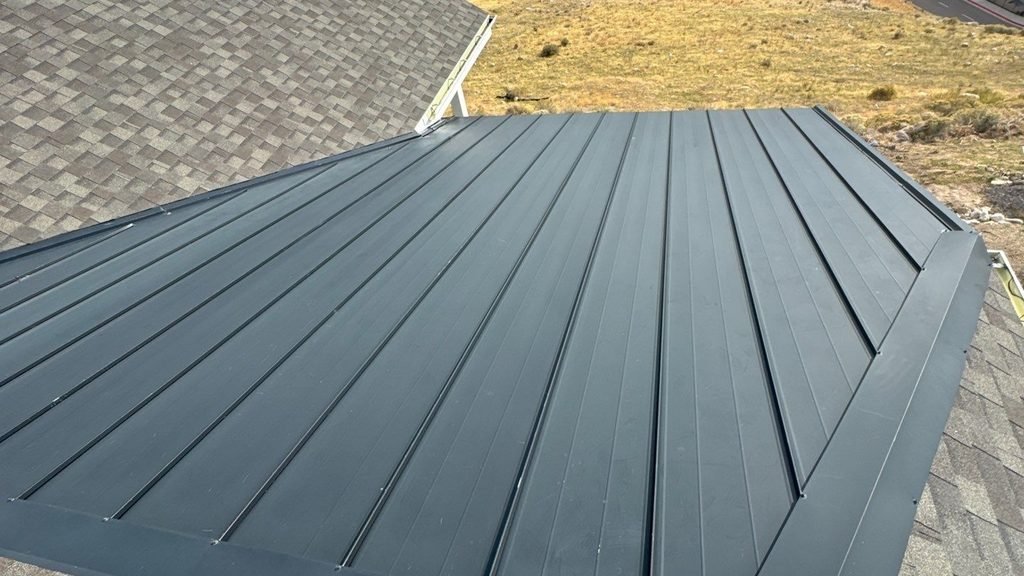
Panels run vertically from ridge to eave and interlock at raised seams. Attachment clips are concealed, so the metal can expand and contract without stressing the fasteners. This is the most durable metal system for Utah’s thermal cycling and the best choice for foothill homes with significant snow accumulation. Standing seam is also the most compatible system for installing solar panels.
Exposed Fastener Panels
A more economical metal option where screws attach panels through the face of the material. The neoprene washers seal around the screw, but through repeated freeze-thaw cycling those washers can degrade, creating potential water entry points. Exposed fastener systems require more frequent inspection in Utah than standing seam.
Stone-Coated Steel
Steel panels with an acrylic base coat and embedded stone granules that give the appearance of shingles, tile, or shake. Stone-coated steel combines metal’s structural durability with a familiar residential aesthetic. Class 4 impact ratings are common in this category.
Architectural vs. Three-Tab Asphalt
On the asphalt side, the distinction between three-tab and architectural matters significantly. Three-tab shingles are thinner and carry lower wind and impact ratings. They are not the right choice for bench neighborhoods, foothill exposures, or homes with significant hail or wind history. When comparing asphalt options for a Utah replacement, the comparison should be between architectural grades.
Which Material Fits Your Situation?
The right answer depends on what your roof inspection reveals and what you want the roof to do over the next several decades.
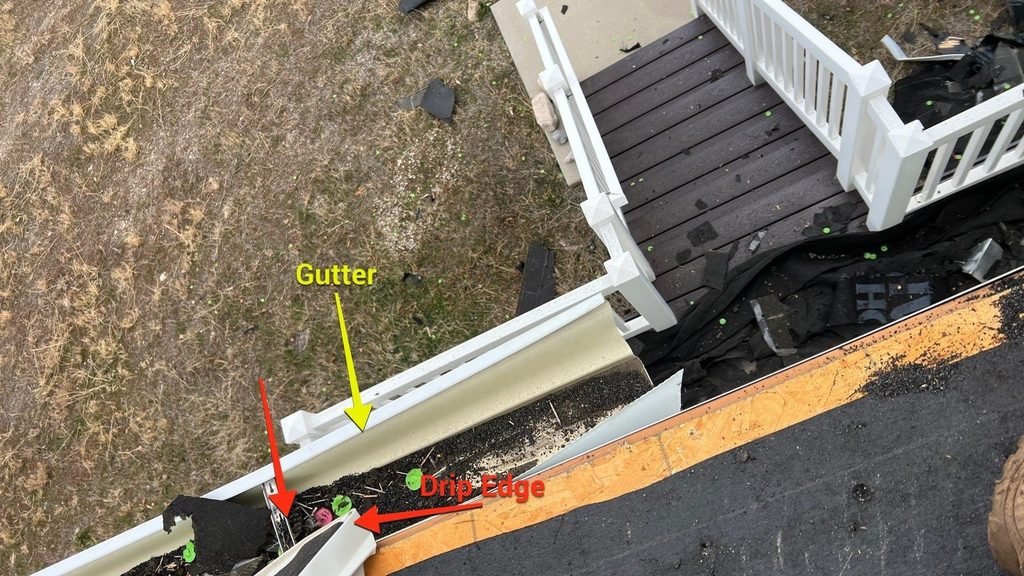
Architectural Asphalt Shingles May Make More Sense If:
- You are working within a defined budget and the inspection shows decking and structure are in good condition
- You plan to sell the home within 10 to 15 years and want a material appraisers and buyers recognize
- Your roof has good southern exposure, strong attic ventilation, and no significant ice dam history
- Your HOA has restrictions that limit material options or reflective surfaces
- You need the roof completed before a specific deadline, as asphalt installation timelines are typically shorter
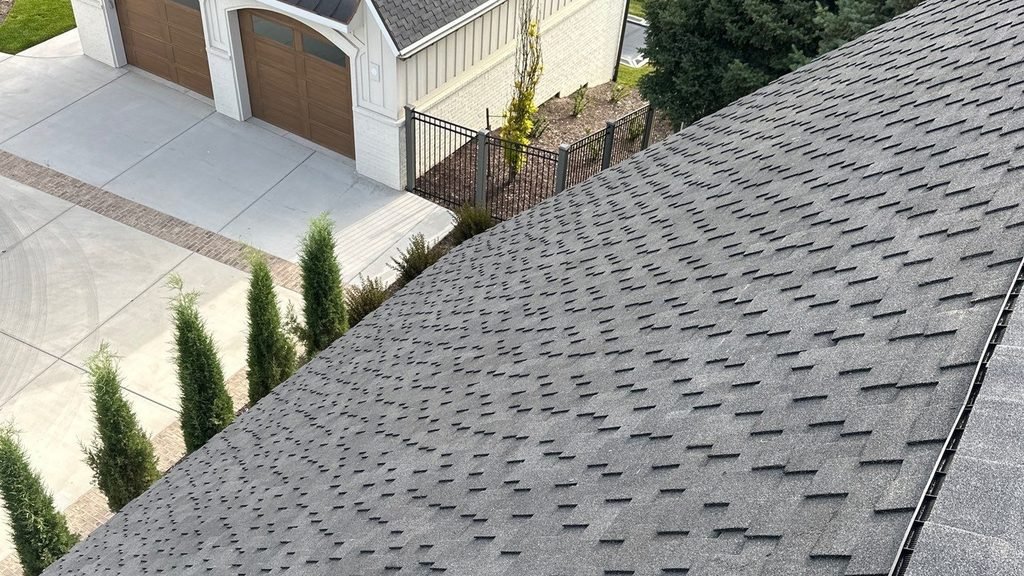
Metal Roofing May Make More Sense If:
- You are in a foothill or bench neighborhood such as Alpine, Highland, Draper bench, Suncrest, or Corner Canyon, where snow loads and ice dam risk are above average
- Your home has a history of ice dam damage and the current roof design makes complete ice prevention difficult with asphalt alone
- You plan to stay in the home long-term and want to avoid a future replacement cycle
- You have or are planning to install solar panels, as standing seam is the most compatible roofing system for panel attachment
- Your insurance carrier offers a meaningful discount for Class 4 rated metal roofing, which you have confirmed directly with them
- Energy efficiency during Utah summers is a priority, and your attic ventilation supports it
What the Inspection Determines
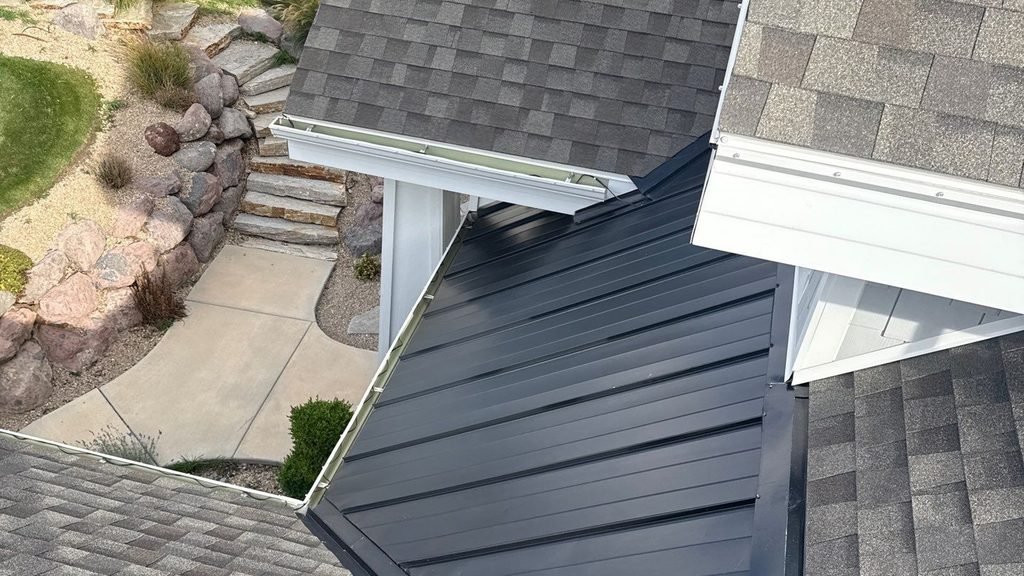
Many homeowners arrive at this decision with a preference for materials before the inspection. That is fine, but the inspection often changes the picture. Decking condition, existing layers, ventilation design, flashing integrity, and the history of that specific roof all affect which material performs best.
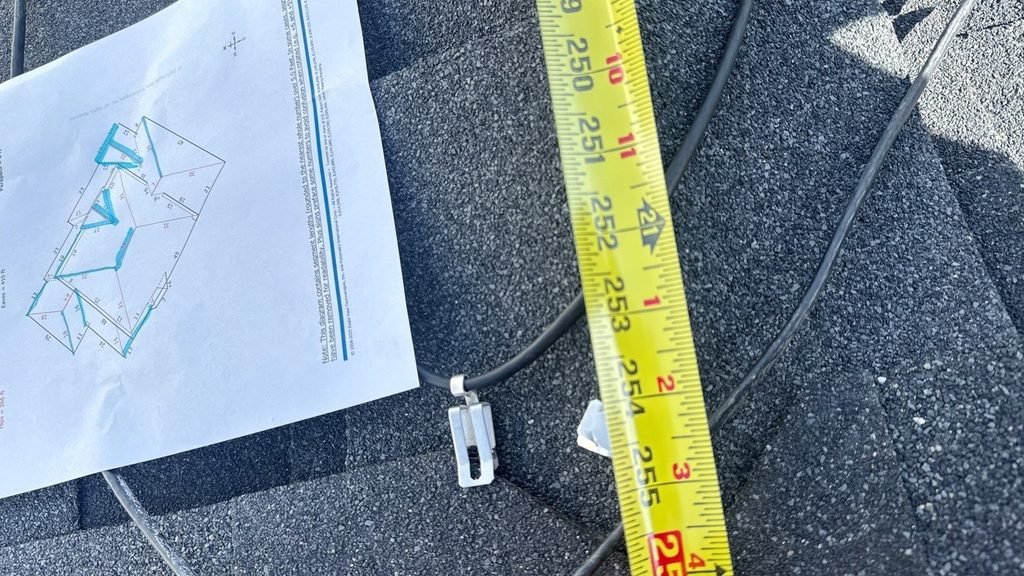
Rooval Roofing’s documented inspection covers all four elevations, every slope, and the attic. Before making any recommendations, we document what is there, photograph it, and walk you through what we found. The written quote follows from what the inspection shows.
Maintenance Over Time: What Each Roof Requires
Asphalt Shingle Maintenance
- Annual visual inspection for cracked, curling, or missing shingles, particularly after winter and spring hail events
- Gutter cleaning to prevent ice backup at the eave, the leading cause of ice dam escalation
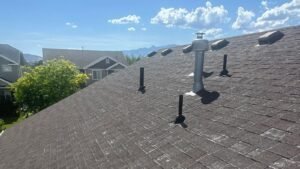
- Flashing and pipe boot inspection every few years, as these often fail before the shingles in Utah climates
- Granule check after significant hail events, as granule loss is the leading indicator of reduced remaining lifespan
- Ridge cap inspection after high wind events, as ridge caps are the most commonly displaced component in canyon-wind conditions
Metal Roofing Maintenance
- Periodic inspection of fasteners on exposed fastener systems; standing seam requires less frequent fastener attention
- Debris and leaf clearance from valleys and at roof-to-wall transitions where standing water is possible
- Flashing and sealant inspection at penetrations such as pipe boots, skylights, and chimneys; these sealants outlast asphalt but have a finite life
- Snow guard inspection if installed; guards that prevent sudden snow slides off metal roofs should be checked for attachment after heavy snow years
Final Thoughts
The metal vs. asphalt decision is not a general question. It is a question about your specific roof, your home’s position in the Wasatch Front climate, and what you want the next 20 to 50 years to look like.
Many homeowners arrive at this decision with a preference for materials before the inspection. That is fine, but the inspection often changes the picture. Decking condition, existing layers, ventilation design, flashing integrity, and the history of that specific roof all affect which material performs best.
Rooval Roofing is a family-run crew based in Lehi. We inspect roofs across Utah County and the Salt Lake Valley, document what we find with photos of all four elevations and the attic, and give you a written assessment before a single shingle comes off. If your roof needs repair, we will tell you.
Free inspection. Written quote. No pressure.
FAQs
For foothill and bench neighborhoods with significant snow accumulation and ice dam risk, metal handles Utah’s freeze-thaw cycling and snow load more effectively than asphalt. For valley-floor homes with good attic ventilation and no ice dam history, quality architectural asphalt shingles remain a durable and practical choice. The conditions specific to your home’s location and exposure are the deciding factor.
Many Utah homeowners’ insurance carriers offer premium discounts for Class 4 impact-rated roofing materials, which include qualifying metal systems and Class 4 architectural asphalt shingles. The discount percentage and eligibility requirements vary by carrier and policy. Confirm the specific terms directly with your insurer before making a material decision based on a potential discount.
Some metal roofing systems allow installation over a single layer of existing asphalt shingles, which eliminates tear-off labor and disposal costs. Whether this is appropriate depends on the condition of the existing shingles, deck condition beneath them, local building code requirements, and the specific metal system. Rooval Roofing documents the existing layer count and deck condition during the inspection before making any recommendation about roof-over vs. full tear-off.
Asphalt shingles have a lower upfront installation cost. Metal costs more to install but requires fewer replacements over the life of the home. Whether metal costs less over time depends on how long you stay, material selection, and your maintenance history. Rooval Roofing provides written quotes for both options after a documented inspection, so you can compare the actual numbers for your specific roof.