
Roofing FAQ Center
Straight answers to the questions Utah homeowners actually ask us — cost, storm damage, materials, timeline, and more.
Rooval Roofing is a locally owned roofing company based in Lehi, Utah, serving Utah County and the Salt Lake Valley. We handle roof repairs, full replacements, and storm damage inspections — asphalt shingle, metal, tile, and flat/TPO roofs — licensed with Utah DOPL (#13861046-5501) and backed by our workmanship warranty. If you want to know what shape your roof is in, book a free inspection or call (385) 424-8810.
💰Cost & Financing
How much does a new roof cost in Utah?
Most full roof replacements on a typical Utah home run about $20,000 to $30,000. Where you land depends on your roof's size and pitch, how many layers have to come off, the condition of the decking underneath, and the materials you choose — which is why two houses that look the same size on paper can be very different jobs. A Rooval quote covers the whole project: full tear-off of the old roof, new material installation, and any decking repairs we find once the old roof is off. We give you a firm number after an on-site inspection, not a guess over the phone.
Do you offer financing or payment plans?
Yes — we work with a financing partner so you can pay over time instead of all at once.
Do you charge for an estimate or inspection?
No — the inspection is free. Once the inspection is completed, we'll share our findings with you.
Is a new roof worth it for resale value?
Yes. A worn-out roof is one of the first things a home inspection flags, and it can scare buyers off or give them a reason to talk the price down. A newer roof takes that worry off the table, helps your home show better, and comes backed by our workmanship warranty — one less thing standing between you and a clean sale.
⛈️Storm, Leaks & Damage
What should I do right after a storm?
Start with safety, not the roof. Stay away from downed power lines and call your utility or 911, get out immediately if you smell gas, and treat a sagging ceiling or water near light fixtures and outlets as urgent — the roof itself can almost always wait an hour. Inside, catch water with buckets and move anything valuable out of the way. Then photograph what you can see from the ground: ceiling stains, dented gutters, shingle pieces in the yard. Stay off the roof yourself, because wet shingles are slick. If you can see exposed wood or underlayment from the ground, call us at (385) 424-8810 so it doesn't sit open to the weather. Otherwise book an inspection and we'll assess the damage, tarp what needs it, and document what we find.
How do I tell if my roof is leaking, and where from?
Look for tan or brown rings on the ceiling or high on a wall, bubbling paint, a musty smell upstairs, or soft drywall — especially right after a storm. But the wet spot rarely sits right under the actual entry point, because water travels along the rafters and roof deck before it drips through. We check the attic and trace it back to the real source — often a valley, chimney flashing, a pipe boot, or storm-damaged shingles — rather than guessing from the ceiling stain.
What does hail and wind damage look like?
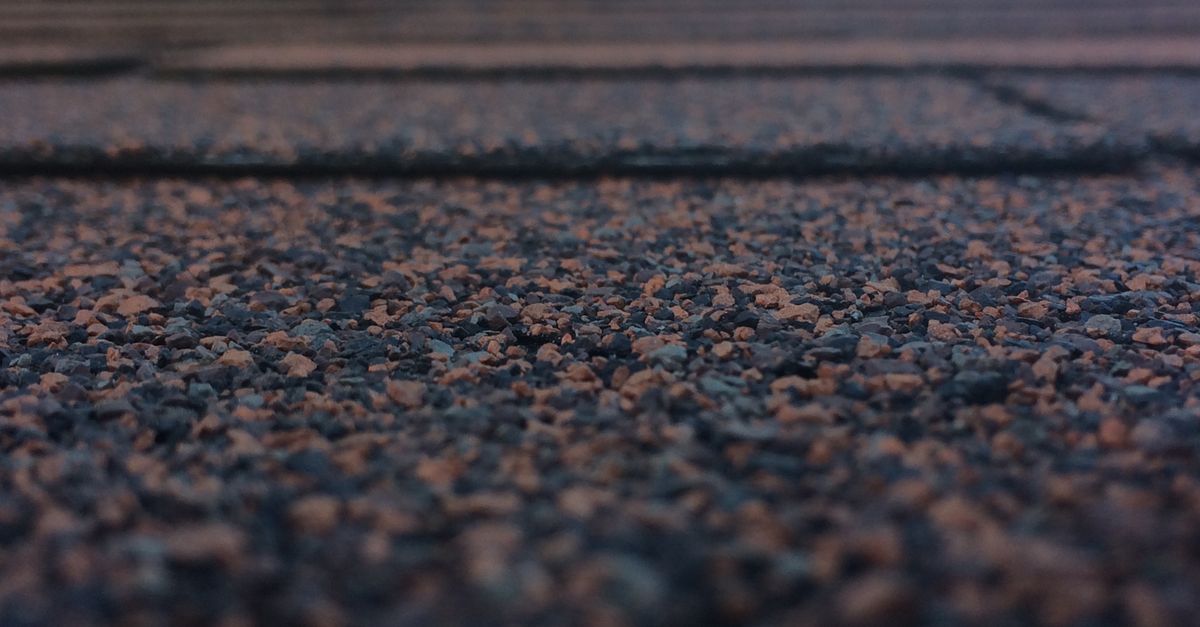
Hail shows up on shingles as bruises and soft spots, dark patches of granule loss, or a cracked shingle mat underneath — and you usually can't see any of it from the ground. Dented gutters, downspouts, and vent caps are a more reliable clue, since metal dents on impact and doesn't weather back the way shingles do. Loose granules piling up in your gutters after a storm are worth a closer look. Wind damage is usually more obvious: lifted, creased, or missing shingles, especially along ridges and edges. Either way, the only way to know for sure is to have someone get up on the roof and check.
Do I need a repair or a full replacement?
It depends on how widespread the damage is and how old the roof is. A few damaged shingles or one isolated leak is usually a repair — or a roof tune-up if there are several small issues in different spots. Replacement makes more sense when the damage is widespread, the shingles are brittle enough to crack, you're seeing curling across the whole roof or heavy granule loss in the gutters, or leaks keep coming back — especially on a roof over 20 years old. If your roof is under about 15 years old and the damage is localized, a targeted repair is usually the smarter spend. An inspection settles it before you spend anything.
Do you help with storm damage documentation?
We handle the roof side of it. After a storm we inspect your roof and document any damage we find — photos and a written report of the roof's condition — and if you want that documentation for a claim, we can help you put together what we found. We don't get involved with your insurer or your adjuster; that's between you and them. Our job is the roof: inspect it, document the damage, and handle the repair or replacement if you hire us.
🤝Trust, Licensing & Warranty
Are you licensed and insured?
Yes — we're licensed and insured. We're licensed with the Utah Division of Occupational and Professional Licensing (DOPL #13861046-5501), and we carry insurance for the work we do. You can verify any Utah roofer's license yourself at dopl.utah.gov before you sign anything. You'll also always know who's going to be on your roof before we start, and the crew that does the work stands behind it with our workmanship warranty.
What warranty do you offer?
We back every installation with a workmanship warranty covering our labor, separate from the manufacturer's warranty on materials.
Are you reputable / do you have reviews?
Yes — check out our Google reviews and see what our customers say about Rooval Roofing.
Are you a local Utah company?
Yes — we're a local, family-owned company located in Lehi, Utah. We serve Utah County and the Salt Lake Valley, including Lehi, Orem, Provo, Highland, Alpine, Lindon, Pleasant Grove, Springville, Salt Lake City, Murray, Sandy, Draper, American Fork, Saratoga Springs, Eagle Mountain, and Bluffdale. If you don't see your city here, no worries — call or text us at (385) 424-8810.
How do I avoid storm-chasers and roofing scams?
Watch for out-of-state plates, a truck with no local address, and pressure to sign a contract the same day — those are the classic storm-chaser signs. Be wary of a crew that climbs your roof and immediately declares you need a full replacement with no real inspection, or one that's vague about who actually does the labor. Ask for a permanent Utah business address, check their license at dopl.utah.gov, and look up real local reviews before you sign anything. A legitimate local roofer will still be around next year if you need them.
🏠Materials & Options
What brand of shingles do you install?
We install Owens Corning shingles — one of the most trusted names in North American roofing. For most Utah homes we use their architectural asphalt shingles, which hold up well to the high-altitude UV, wind, and freeze-thaw swings we get here, and they come backed by an Owens Corning manufacturer warranty on the materials — separate from our own workmanship warranty on the installation.
What's the best roofing material for Utah?
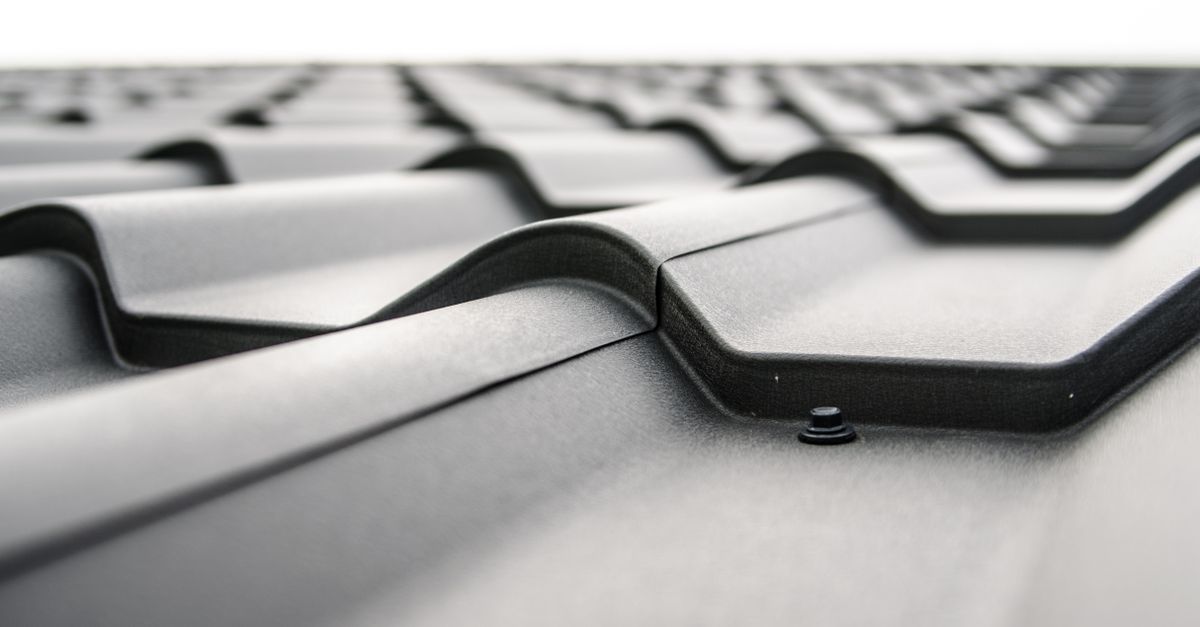
For most Utah homes, architectural asphalt shingles are the best all-around choice. They're a thicker, heavier upgrade over old 3-tab shingles and handle high-altitude UV, freeze-thaw cycles, and canyon-mouth wind far better — roughly 22 to 28 years of life versus 15 to 20 for 3-tab. Utah's intense sun and big day-to-night temperature swings do gradually dry out asphalt over the years, especially on south- and west-facing slopes, so watch for curling edges, cracking, and heavy granule loss. If you're staying 15+ years or live at elevation with heavy snow and wind, metal is worth the higher upfront cost. Tile and flat/TPO membrane fit specific situations. We'll recommend the right fit for your house during the inspection.
Metal vs. asphalt shingles — which should I pick?
It depends on how long you're staying and your budget. Pick asphalt if you'll move within 5-10 years, budget is tight, or your HOA restricts metal — architectural shingles resist most Utah hail well. Pick metal if you're staying 15+ years or live somewhere with heavy snow and wind, since it sheds snow, handles 70-80 mph canyon gusts, and lasts 40-60 years versus 22-28 for architectural asphalt, at roughly two to three times the upfront cost.
How long does a roof last in Utah?
It depends on the material: 3-tab asphalt shingles last 15-20 years, architectural asphalt shingles 22-28 years, metal roofing 40-60 years, tile 35-50 years, and flat/TPO membrane 20-25 years. Utah's freeze-thaw cycles, high-altitude UV, canyon winds, and hail all shorten these numbers if a roof isn't properly installed or maintained. Regular maintenance can add years to any of these lifespans.
What is TPO, and is it right for a flat roof?
TPO (thermoplastic polyolefin) is a single-ply roofing membrane — a wide, flexible white sheet with seams that are heat-welded rather than glued or taped. Its reflective surface cuts cooling loads and slows UV damage, and the welded seams hold up well through Utah's freeze-thaw cycles, making it a strong fit for flat or low-slope sections, additions, and garage or patio roofs too shallow for shingles. Properly installed TPO typically lasts 20-25 years in Utah's climate.
🗓️Process, Timeline & Service
What's the process from first call to finished roof?
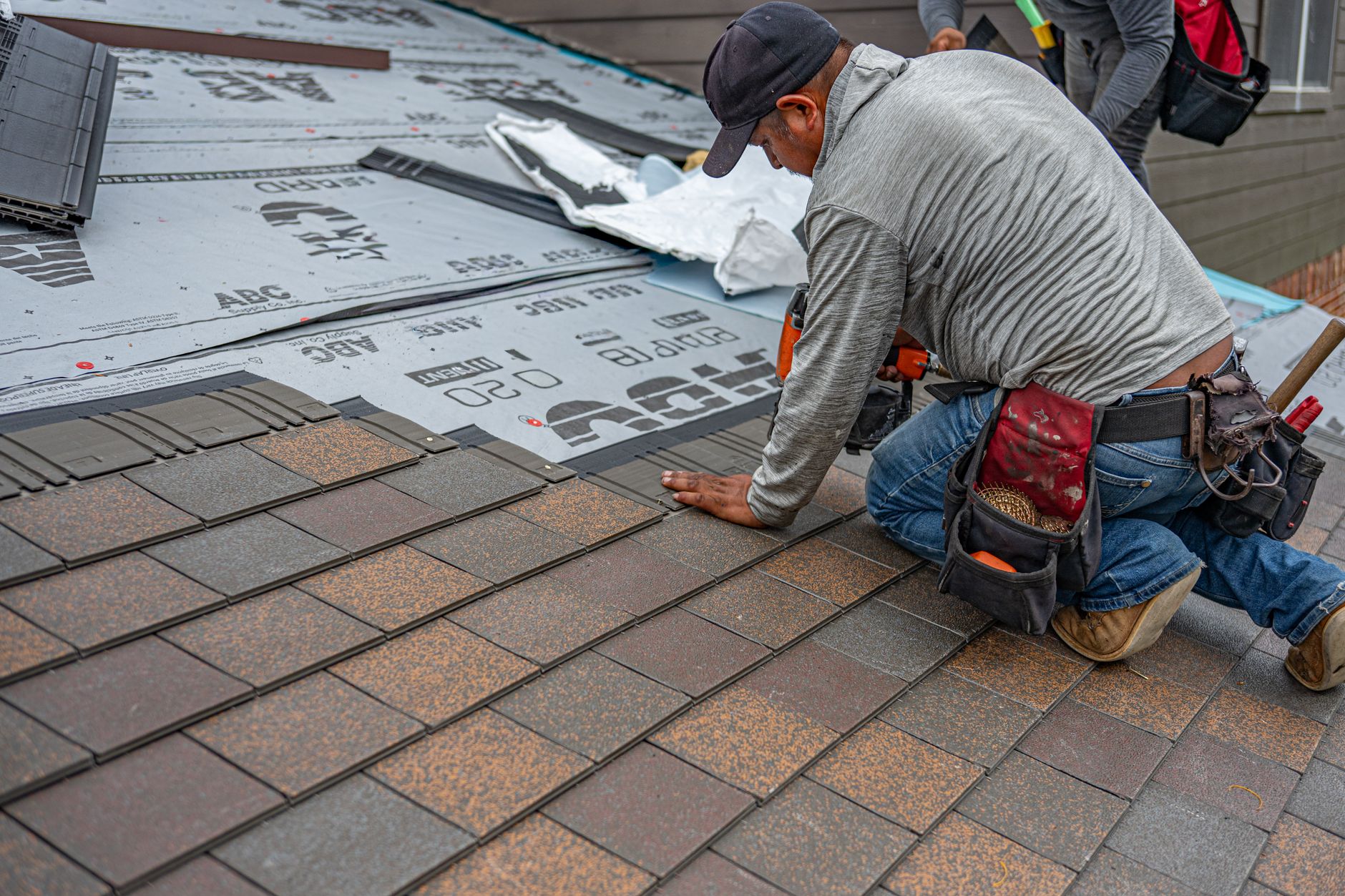
It's five steps: you call or book online, we come out for an inspection with a written report, our crew does the install, we do a full cleanup, and we finish with a final walkthrough — all backed by our workmanship warranty plus the manufacturer's coverage on materials. Most single-family homes are torn off and reroofed in one to two days; larger, steeper, or more complex roofs take three to four. On replacement day we stage materials and the dumpster ahead of time, tear off down to bare decking, repair decking if needed, then install new underlayment, flashing, shingles, and ventilation to spec. Before we start we tarp flower beds and shrubs and shield windows and AC units; when we're done we clear debris and gutters, run a rolling magnet across the lawn and driveway for stray nails, and walk the property with you.
What happens during a roof inspection?
A licensed Rooval roofer gets up on the roof and checks the shingles, flashing, and vents for hail or wind damage, then photographs and documents anything we find and gives you a clear write-up of your roof's condition. You don't need to be home for it — we can walk you through the photos afterward by phone. For the work itself we coordinate scheduling with you, and we always do a final walkthrough together once the job is done.
How soon can you come out?
Call or text (385) 424-8810 and we'll get you scheduled for the soonest slot we have. After a big Utah County storm our schedule fills faster, so it's worth calling early.
Do I need a permit, and who pulls it?
In most Utah County and Salt Lake Valley cities, a full roof replacement needs a building permit, and each city sets its own rules. If a contractor asks you to pull your own permit, treat that as a red flag.
Can you inspect my roof and give me a certification letter for my insurance company?
Yes — this is a service we offer. If your insurance company wants a roof certification or observation report — which is common when you're switching policies or renewing — we'll come out, inspect the roof, and put its condition and remaining life in writing on the letter they're asking for. Because it's a formal document your insurer relies on, this written certification is a paid service with a modest fee we quote you upfront, separate from our free general inspection. We report the roof honestly, exactly as we find it. Call or text (385) 424-8810 and we'll give you the fee and our soonest available date.
Keep Reading
Still have questions about your roof?
Call or text (385) 424-8810
or book a free inspection online — we’ll get up on the roof, take a look, and give you a straight answer about what it needs.