Storm Damage Checklist: Payson & Spanish Fork

Share Now

Facebook
Twitter
LinkedIn
Pinterest
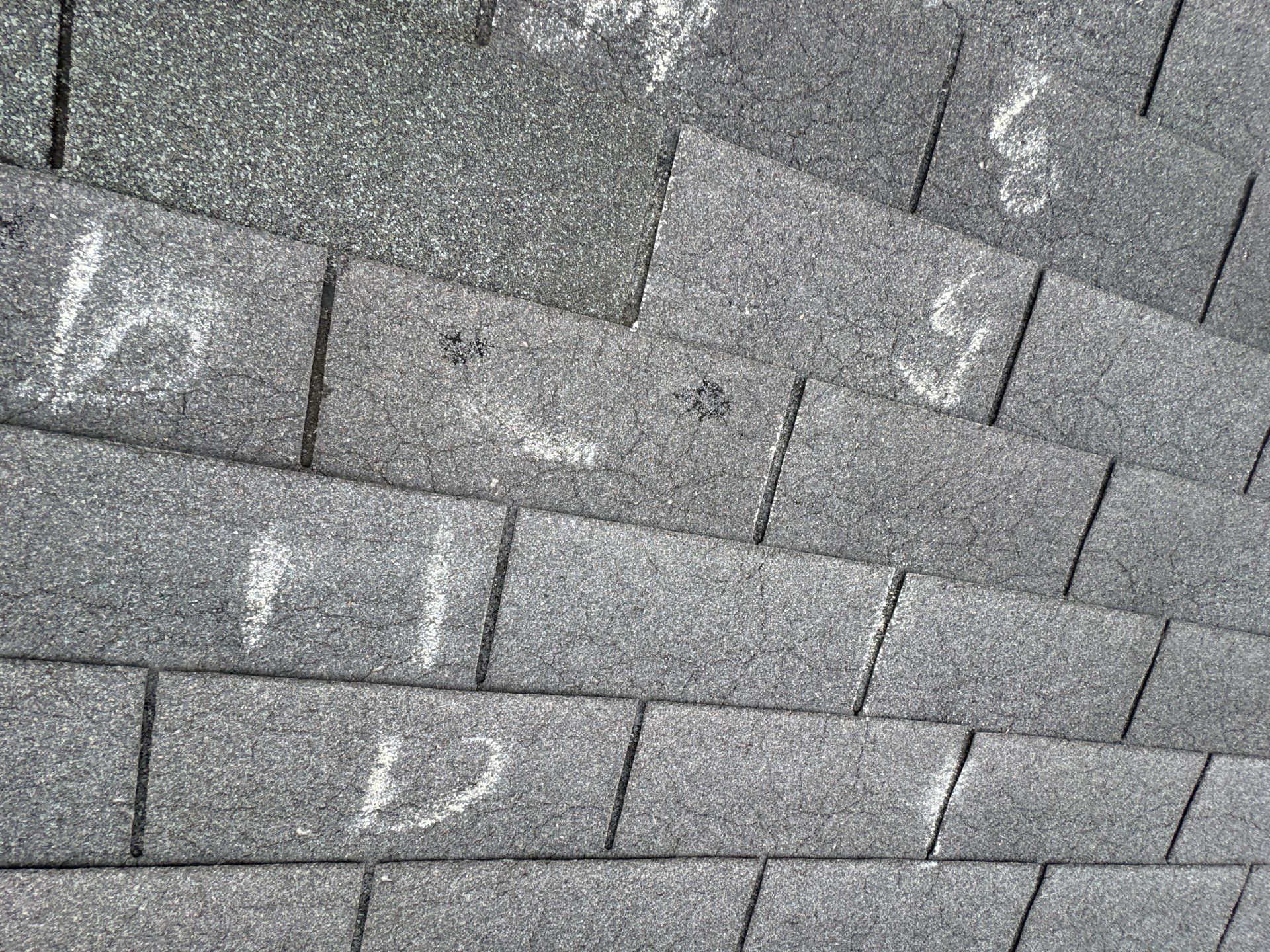
Chalk-marked shingles during a Rooval storm damage inspection on a Utah County roof

Last updated: July 2026

The Straight Answer

After a windy or hailing stretch, check your roof from the ground: creased, lifted, or missing shingles and granules piling up in the gutters mean wind got to it — the more common culprit around here. Round dents or bruised spots point to hail. Either one is worth a second look before it turns into a leak.

What Wind Damage Should You Check For After a Storm?

No ladder needed — wind does more damage to roofs around here than hail does, so start with these.
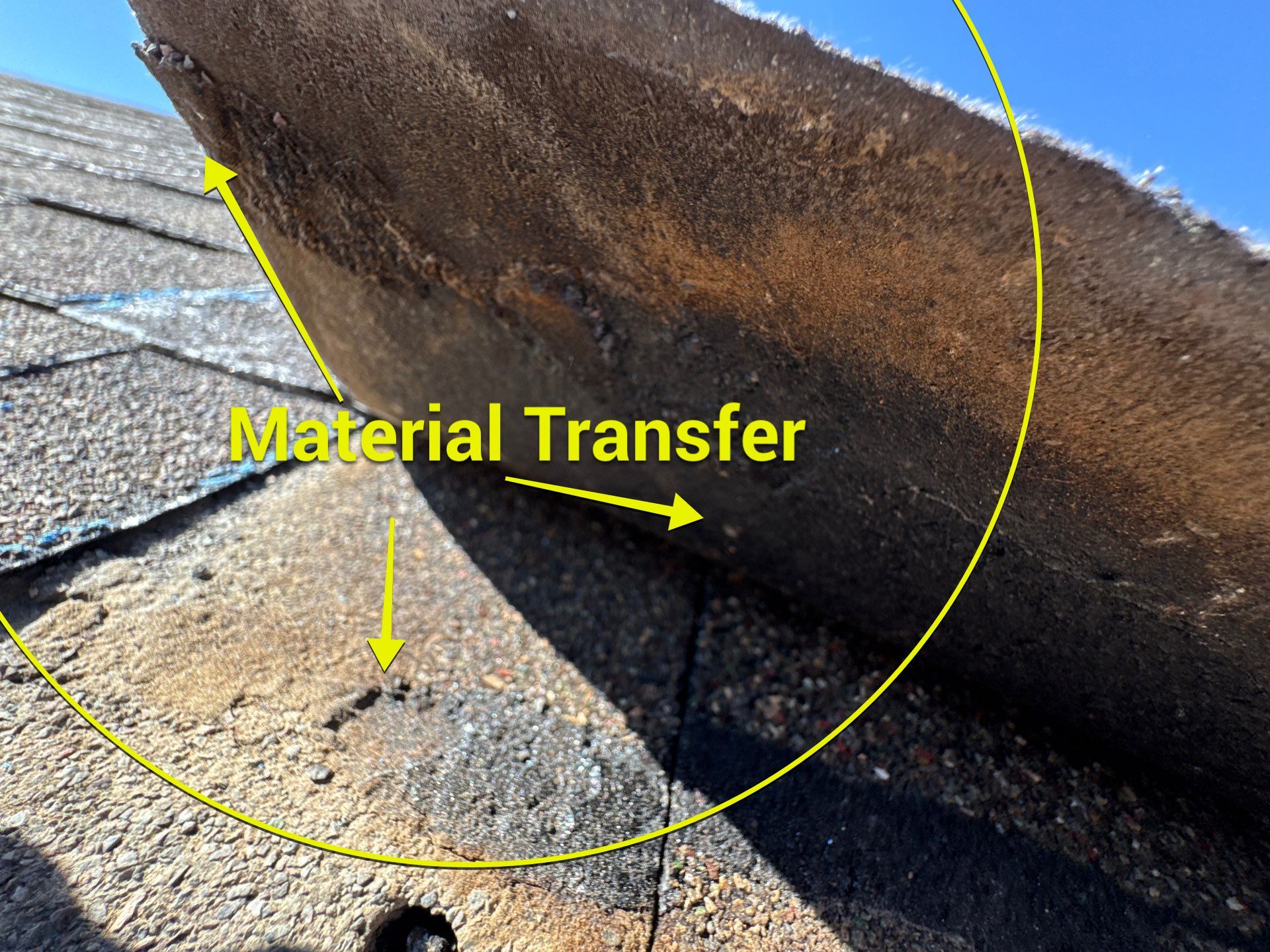
  • Shingles that look creased, curled, or lifted at the edges instead of lying flat.
  • Shingles or tabs missing outright, or dark granules collecting in your gutters and downspouts.
  • Flashing around chimneys or vents that looks bent, pulled loose, or out of place.
Material transfer marks on a wind-damaged shingle — annotated Rooval inspection photo, Utah County
Real Rooval inspection photo — annotations are ours.
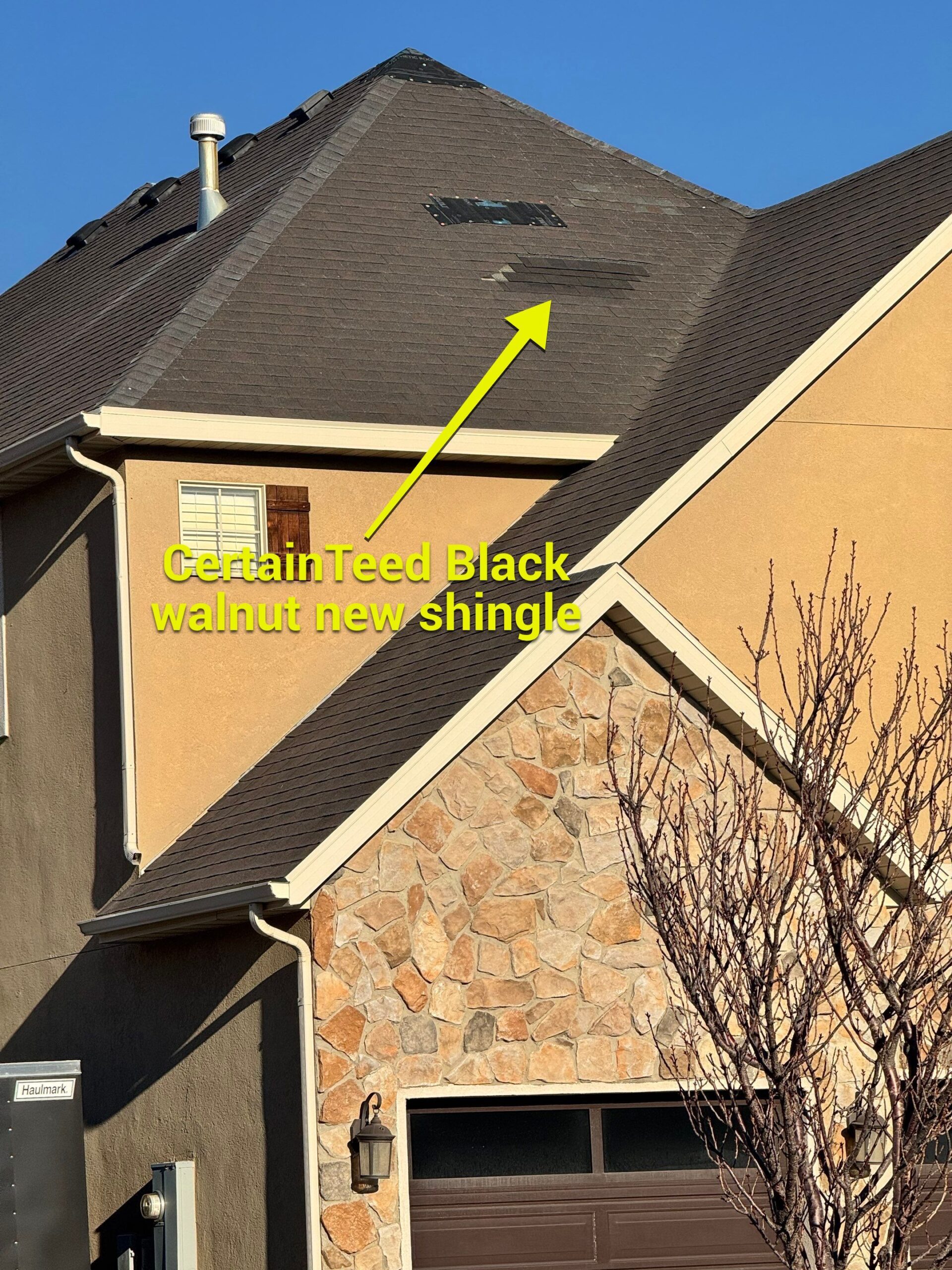
Annotated Rooval photo: wind-damaged area with new replacement shingle on a Utah County roof
Wind damage and its fix, seen from the street — no ladder required.

What About Hail Damage?

Hail matters too — it’s just less common here than wind.
  • Round dents or bruised spots on shingles, especially on the slope that faced the storm.
  • Dings on gutters, vent caps, or downspouts — soft metal often shows hail before shingles do.
Why wind hits Payson & Spanish Fork so hard
Spanish Fork sits at the mouth of Spanish Fork Canyon — a wind corridor that funnels gusts into southern Utah County, and Payson catches the same wind. The September 8, 2020 windstorm topped 100 mph (112 mph recorded at the University of Utah) and damaged roofs across the Wasatch Front, Utah County included — plenty of them never checked.
Wind vs. hail — how to tell
Wind creases, lifts, or pulls shingles loose; the seal breaks but the shingle often stays put, so it’s easy to miss from the ground. Hail leaves round dents you can usually spot on sight. Both let water in — on different timelines.
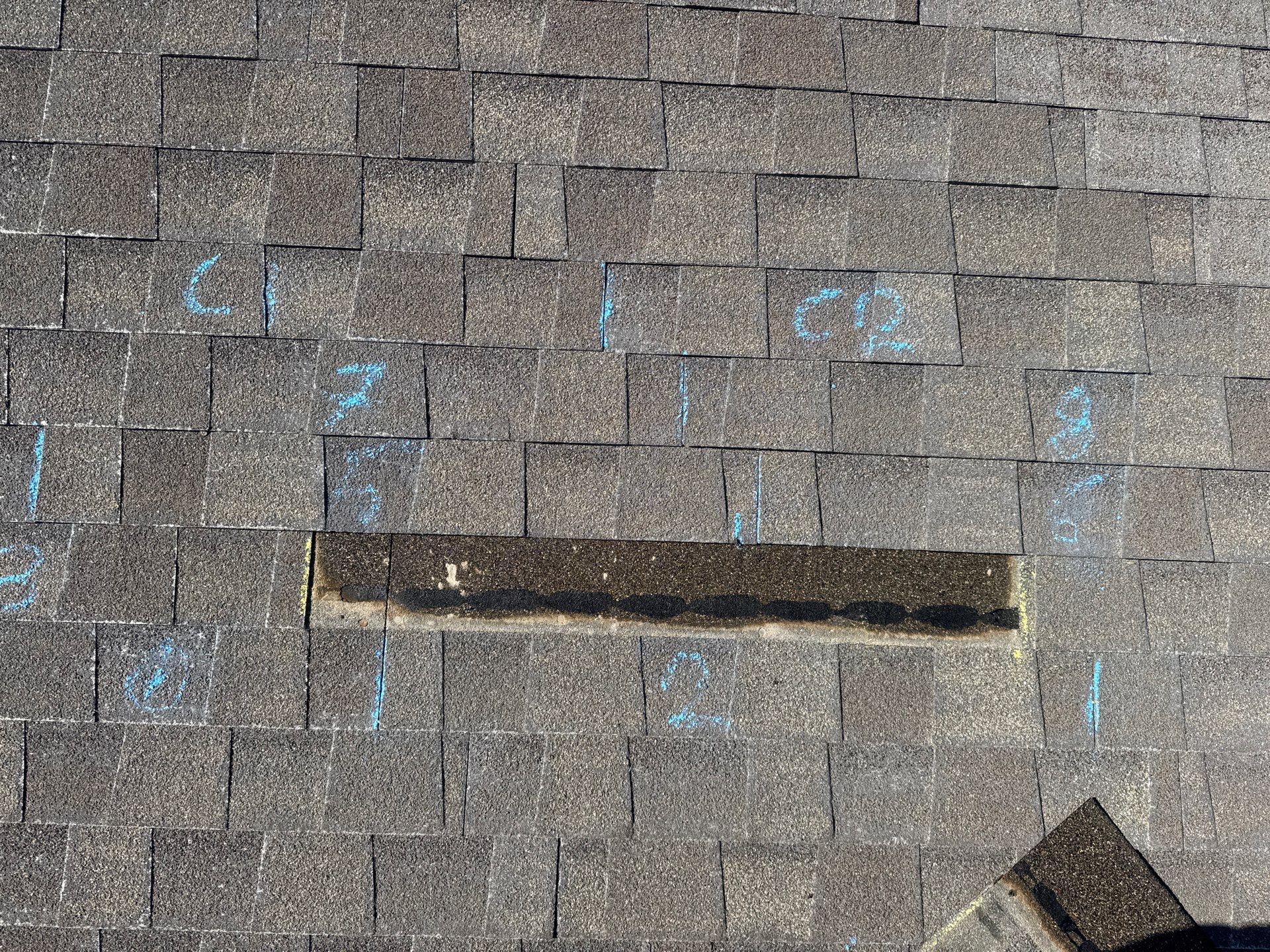
Missing shingle exposed on an asphalt roof — Rooval inspection photo
Real Rooval inspection photo — annotations are ours.

What Should You Do?

1Walk the perimeter of your house and check the roof, gutters, and yard for the signs above.

2Note what you find — even a few creased shingles or dented gutters are worth mentioning.

3Get a second opinion — a straight answer costs nothing.

Found something on this list? Plenty of Payson and Spanish Fork neighbors get a new roof on our money instead of paying out of pocket, with friendly terms. Whether you pay cash, finance, or end up working with insurance, we’ll give you a straight answer either way.

More on wind damage in Utah County: Wind Damage on Utah County Roofs.

Get a Straight Answer on Your Roof

No cost, no obligation — we’ll tell you what the storm did, even if the answer is “nothing.”

Get My Instant Roof QuoteCall or Text (385) 424-8810

Quick Answers

Do I need to get on my roof to check for storm damage?

No — a ground-level look, ideally with binoculars, catches creased or missing shingles, granules in the gutters, and hail dents.

Why does wind matter more than hail around here?

Payson and Spanish Fork sit near the Spanish Fork Canyon wind corridor, and wind causes more roof damage in Utah County than hail does.

Could my roof still be carrying damage from the 2020 windstorm?

It’s possible — wind damage can sit quietly for years, so if your roof hasn’t been checked since 2020, it’s worth ruling out.

Utah's #1 Roofing Solutions

Get a Free Estimate on Professional Roofing Services for Your Home

🏠 Get Your Instant Roof Quote