Call us today for a free estimate. +1 (385) 424-8810
Call us today for a free estimate. +1 (385) 424-8810
Call us today for a free estimate. +1 (385) 424-8810

The Straight Answer
For most Utah homeowners, the metal-versus-asphalt decision comes down to how long you plan on staying in the house, not which material is flatly “better.” If it’s five to ten years, asphalt shingles are the more cost-effective choice. If you’re settling in for the long haul, metal’s much longer lifespan and its resistance to canyon wind and heavy snow load make it the roof you install once and stop thinking about.
Ask a metal roofing company which roof you should buy, and you’ll hear metal. Ask a shingle crew, and you’ll hear shingles. We install both, all over Utah County and Salt Lake County, so we don’t have a side to take. The honest answer is that the right roof depends on your house, your budget, and how long you plan to live under it.
This is the same comparison we walk homeowners through at kitchen tables from Lehi to Springville — the real numbers and the real trade-offs, laid out straight.
Let’s start with the part most contractors dance around. Metal runs a multiple of asphalt’s cost — there’s no getting around that. Where either number actually lands depends on the size of the roof, the pitch, and whether the decking underneath needs work, which is exactly why we’d rather give you a real number for your actual roof than a range off the internet. Every house is different.
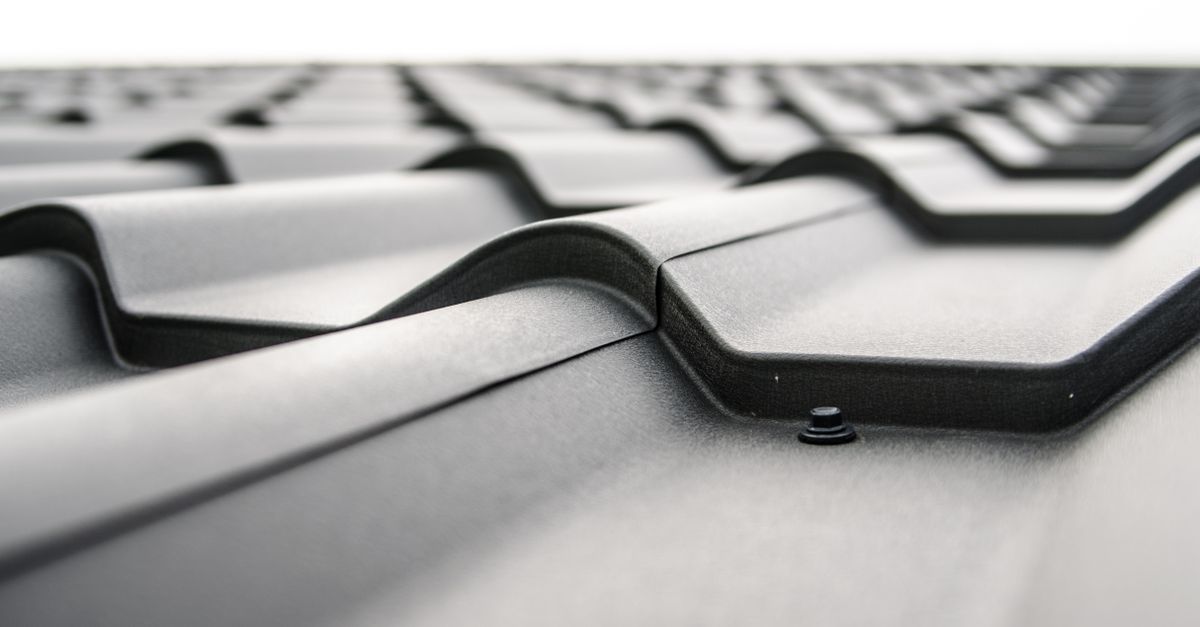
That gap is real, and it doesn’t come from contractor markup. Metal panels cost more as a material, the installation is slower and more exacting, and fewer crews do it well. Stone-coated steel — metal panels shaped and colored to look like shingles or shake — usually falls somewhere between the two.
If anyone tells you metal is “only a little more,” get a second quote. If you want real numbers for your actual roof, our instant roof quote tool is quick, and we price both materials on our metal roofing page without making you sit through a pitch.
Utah is hard on asphalt, and it’s worth understanding why. Most of Utah Valley sits at 4,500 to 5,000 feet, where the sun’s UV is noticeably stronger than at sea level. That UV slowly bakes the oils out of asphalt shingles, which makes them brittle and loosens the protective granules. Then winter takes over: our valley swings above and below freezing dozens of times a season, and every cycle lets meltwater seep into small gaps, freeze, and pry them wider.
The practical result is that shingles marketed as 30-year products often give Utah homeowners 15 to 25 years of honest service. That’s not a defect — it’s just what this climate does to asphalt.
Metal doesn’t dry out under UV, and freeze-thaw has nothing to pry apart on a properly seamed panel. A well-installed metal roof in Utah can realistically last 40 to 70 years. The maintenance points are the fasteners, seams, and penetrations, which is exactly why installation quality matters more with metal than with any other roof.
Utah isn’t Texas, but we get hail — usually small to medium stones, a few times a year, and occasionally something bigger. Architectural shingles with a Class 4 impact rating shrug off most of what our storms throw. Standard three-tab shingles do not, and older, sun-brittled shingles of any grade crack more easily.
Metal won’t crack or lose granules, but it can take cosmetic dents from large hail — more so with aluminum, less with heavier-gauge steel. Dents rarely cause leaks; they’re an appearance issue, not a performance one.
Wind is the bigger local story. The canyon winds that funnel out of Provo Canyon and American Fork Canyon can gust past 70 or 80 miles per hour, and valley residents remember the 2020 windstorm that peeled shingle roofs across the Wasatch Front. Shingle wind resistance comes down mostly to installation — nailing pattern, starter strips, and adhesive seal. Standing seam metal is mechanically locked panel to panel, and it handles canyon wind about as well as anything you can put on a house.
One honest note on storms: if hail or wind hits your roof, we’ll inspect it and document any damage with photos so you have a clear picture of what happened. What you do with that information — including whether to involve your insurance company — is your call, and we’ll give you a straight read either way.
Anyone who has shoveled a driveway in Highland or Alpine knows what a bench winter looks like. Metal roofs shed snow — often all at once, in a slide that can bury a walkway or rip off a gutter. That’s why a proper metal installation here includes snow retention over doors, walkways, and anything below the eaves you’d rather not crush.
Asphalt holds its snowpack. That’s fine when the attic underneath is ventilated correctly, but when it isn’t, heat escaping the house melts the bottom of the snow layer, the water refreezes at the cold eave, and you get an ice dam pushing meltwater up under the shingles. Ice dams are one of the most common winter leaks we repair in Utah Valley.
Both roofs can handle Utah snow if the attic ventilation is done right. In heavy snow zones — bench homes, east-side lots, anything at elevation — metal has a genuine edge.
July and August along the Wasatch Front routinely push into the upper 90s, and a dark asphalt roof soaks up that heat all day. Attics under asphalt can hit 140 degrees or more, and your air conditioner pays for it into the evening.
Metal reflects more of the sun’s heat and cools off quickly after sundown, especially in lighter colors or with reflective coatings. Meaningful cooling savings are realistic for many homes — enough to notice on the summer power bill, not enough to buy the roof.
Here’s the honest part: those savings are real, but they will not pay for the price difference between metal and asphalt on their own. If lower bills are your main goal, attic insulation and ventilation give you more benefit per dollar than any roofing material. A lighter-colored architectural shingle over a well-ventilated attic closes much of the gap.
Before you fall in love with either roof, read your CC&Rs. Some HOAs in communities around Highland, Draper, and Alpine still restrict certain metal panel styles, though standing seam has become far more accepted in the last decade as newer builds have made it common. Stone-coated steel, which reads as shake or tile from the street, passes most boards without a fight.
Aesthetics are personal. Architectural shingles blend into almost any Utah neighborhood, come in a wide range of colors, and never look out of place. Standing seam makes a statement — clean lines, modern profile — which is either the whole point or a dealbreaker, depending on your taste and your street.
A metal roof is a real selling point: a buyer sees a roof that will outlast their mortgage, and appraisers and inspectors treat remaining roof life as genuine value. But be realistic — you will not recoup the full premium at sale, and in a neighborhood full of shingle roofs, some buyers simply expect shingles.
A new asphalt roof also sells a house just fine. “New roof in 2026” is one of the easiest lines to put in a listing.
The rule of thumb we give homeowners: if you’re likely to sell within about five years, asphalt is usually the smarter check to write. If you’re staying long term, metal’s cost per year of service often works out lower, and you get the resale story as a bonus.
There’s no winner here — just a right fit for your situation.
Either way, we’ll tell you what we’d put on our own house in your situation — even when that answer is the cheaper one. You can dig deeper into panel styles, colors, and pricing on our Utah metal roofing page.
Rooval Roofing is a local, family-run roofing contractor based in Lehi, serving twelve cities across Utah County and Salt Lake County. We’re licensed and insured, we back every installation with a workmanship warranty, and our 5.0-star Google rating comes from 31 homeowners we treated the way we’d want to be treated.
Get a free estimate on either material: use our instant roof quote tool for quick ballpark numbers, reach out through our contact page, or call us at (385) 424-8810. And if it’s the upfront cost that’s holding you back, ask about financing — a lot of our neighbors choose to get a new roof on our money. No pressure, no pitch — just a straight comparison for your actual roof.
It depends on how long you plan to stay under it. If you’re likely to move within about five years, a new asphalt roof is usually the smarter check to write. If you’re staying long term, especially on the bench or at elevation where heavy snow and canyon winds do their worst, metal’s 40-70 year lifespan and lower cost per year of service often make it worth the higher upfront price.
Yes, some. Metal reflects more of the sun’s heat and cools off fast after sundown, especially in lighter colors, so real cooling savings are realistic for many Utah Valley homes. Just don’t expect those savings to pay back the price difference over asphalt on their own, if lower bills are the main goal, attic insulation and ventilation give you more benefit per dollar.
Read your CC&Rs before you fall in love with a panel style. Some HOAs around Highland, Draper, and Alpine still restrict certain metal profiles, though standing seam has become much more accepted over the last decade. Stone-coated steel, which reads as shake or tile from the street, passes most boards without a fight.
For hail, Class 4 impact-rated architectural shingles shrug off most of what our storms bring, while metal won’t crack but can take cosmetic dents from large stones (dents are an appearance issue, not a leak). For wind, mechanically locked standing seam metal is about the best thing you can put on a house against the 70-80 mph gusts that funnel out of Provo and American Fork canyons.
About the author
Matthew Thompson is the owner of Rooval Roofing, a licensed and insured roofing company based in Lehi and licensed as a Utah general contractor (DOPL license #13861046-5501), serving homeowners across Utah County and the Salt Lake Valley. He and his crew handle roof repair, replacement, metal roofing, gutters, and free storm-damage inspections. Questions about your roof? Call (385) 424-8810 or get an instant quote.
Get a Free Estimate on Professional Roofing Services for Your Home