
This page is a plain-English read of NOAA’s official storm records for the two counties Rooval Roofing serves most — Salt Lake and Utah — covering 2016 through June 2026. We put it together because homeowners keep asking us a fair question: has it actually stormed hard enough around here to hurt a roof? Here are the real counts. Across those ten-plus years, NOAA logged 227 damaging-wind events (≥58 mph) and 21 significant-hail events (≥1 inch) in Salt Lake and Utah counties combined.
A quick note on the numbers. NOAA records storm events by county, not by city, so a report tied to “Salt Lake County” can mean anywhere in the county. The thresholds used here are ≥1.00 inch for significant hail and ≥50 knots (about 58 mph) for damaging wind. And 2026 is year-to-date: the data file was compiled June 25, 2026 — before Utah’s summer monsoon season — so the 2026 counts are low or zero and will rise as the year gets logged. Every figure on this page comes from the NOAA NCEI Storm Events Database, per NOAA through June 2026.
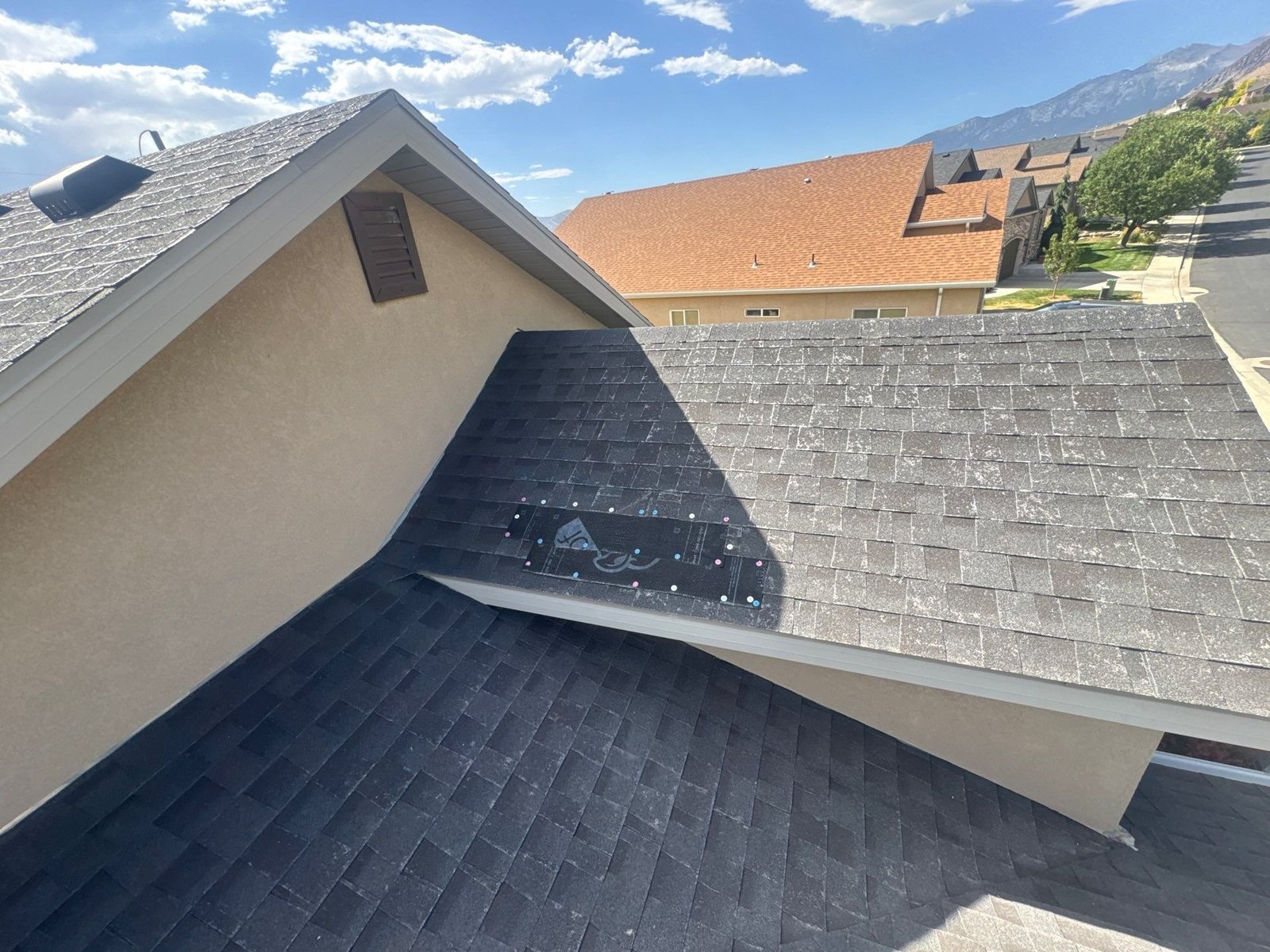
How often Utah roofs face damaging storms
Here’s the year-by-year count of significant hail and damaging wind events for Salt Lake and Utah counties combined. It is drawn straight from NOAA’s records, with nothing added or rounded.
| Year | Significant hail (≥1 in) | Damaging wind (≥58 mph) |
|---|---|---|
| 2016 | 4 | 14 |
| 2017 | 1 | 4 |
| 2018 | 2 | 4 |
| 2019 | 0 | 12 |
| 2020 | 0 | 18 |
| 2021 | 2 | 26 |
| 2022 | 0 | 43 |
| 2023 | 4 | 58 |
| 2024 | 8 | 27 |
| 2025 | 0 | 21 |
| 2026 (YTD, through June) | 0 | 0 |
| Total | 21 | 227 |
Read down the columns and a pattern shows up. Damaging wind climbed sharply over the decade — from 14 events in 2016 to a peak of 58 in 2023 — while significant hail is rarer and spikier, arriving in bursts rather than every year. The biggest hail year by far was 2024, with 8 significant-hail events, the most in the ten-year window.
Which county sees more storms
Split the same events by county and Salt Lake carries the larger share, for both hail and wind.
| County | Significant hail (≥1 in) | Damaging wind (≥58 mph) |
|---|---|---|
| Salt Lake County | 14 | 150 |
| Utah County | 7 | 77 |
Salt Lake County logs roughly twice the events of Utah County over the period — partly a matter of land area, partly reporting density. But the bigger takeaway holds in both counties: damaging wind shows up far more often than significant hail.
The record-setting storms — and the full count
A few individual storms stand out in the decade of records.
- Largest hail — 1.75 in: recorded twice, in Salt Lake County on June 13, 2016, and in Utah County on August 13, 2024 (roughly golf-ball size).
- Strongest wind gust — 83 kt (~96 mph): Salt Lake County, July 13, 2024.
The counts above track only events that crossed the damage thresholds. Counting storms of every size, NOAA logged 37 hail events and 229 thunderstorm-wind events across the two counties in the period — totals that include the 21 significant-hail and 227 damaging-wind events above, plus many smaller ones that still wear on aging shingles over time.
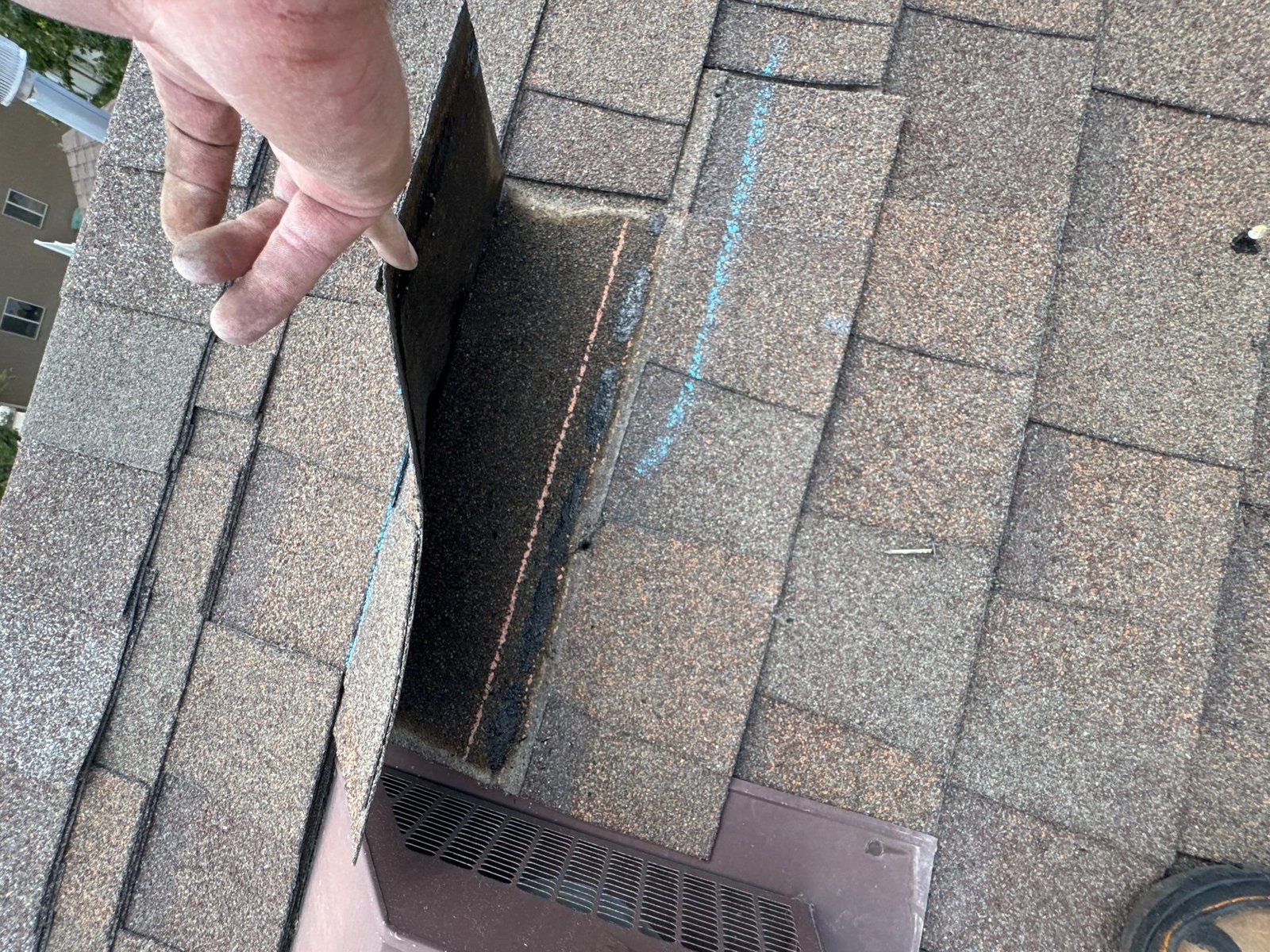
What this data means for your roof
A roof doesn’t need a record-breaking storm to lose granules or lift a few shingles. NOAA logged 227 damaging-wind events across these two counties in a single decade, and this kind of damage is often hard to spot from the ground.
The numbers point to a few practical things worth keeping in mind:
- Wind is the bigger, steadier threat here. Damaging-wind events outnumber significant hail 227 to 21 — more than 10 to 1. If you’ve had shingles lift or go missing, our wind damage roof repair page covers what that looks like.
- Hail is rarer but concentrated. 12 of the 21 significant-hail events landed in just two years — 2016 (4) and 2024 (8). Our hail damage repair page explains what to look for after a hailstorm.
- Older roofs feel the small storms most — cumulative wear from the many sub-threshold events adds up over the years.
We inspect your roof and document any storm damage for your records, so you have exactly what you need to file your insurance claim. We walk you through the claims process and help you handle your part as the homeowner — you file the claim, and we make sure nothing’s missing. To set up a free inspection, call (385) 424-8810, or start with roof repair or a full roof replacement if you already know the extent of the damage.
Storm data across the Wasatch Front
If a storm rolled through your neighborhood, chances are it showed up in these county counts. We serve homeowners in Lehi, Provo, Orem, Highland, Draper, and Sandy — see all of our service areas.
Utah storm history FAQs
How many damaging storms hit Salt Lake and Utah counties in the last decade?
NOAA logged 227 damaging-wind events (≥58 mph) and 21 significant-hail events (≥1 in) across the two counties from 2016 through June 2026.
What was the largest hail recorded in Salt Lake and Utah counties?
1.75-inch hail (about golf-ball size), recorded in Salt Lake County on June 13, 2016, and in Utah County on August 13, 2024.
What was the strongest wind gust on record?
An 83-knot gust — about 96 mph — in Salt Lake County on July 13, 2024.
Is wind or hail the bigger roofing threat on the Wasatch Front?
Wind, by a wide margin. Damaging-wind events outnumbered significant-hail events more than tenfold over the decade (227 to 21).
Why does 2026 show so few storms?
The NOAA file was compiled June 25, 2026, before Utah’s summer monsoon season, so 2026 counts are year-to-date and will rise as the year is logged.
Helpful next steps
- Hail damage roof repair — what hail does to Utah roofs and how we fix it.
- Storm damage inspection & documentation — what we look for and how we record it.
- Book a free roof inspection — no obligation, full photo documentation.
- Utah roof maintenance schedule — season-by-season checklist to catch problems early.
Want a decade of Utah storm data checked against your actual roof?
We inspect and document any damage for your records — free, no obligation.
Book My Free Inspection
Schedule My Free Inspection
Or call (385) 424-8810