Key Takeaways
- Seals roof joints: Flashing waterproofs every break in the roofline—including chimneys, valleys, and walls—where shingles cannot lay flat.
- Does not prevent ice dams: Attic heat loss causes ice dams; properly layered flashing and membranes simply prevent backed-up water from leaking inside.
- Chimneys need three-part protection: Wide chimneys require step flashing, masonry counterflashing, and a peaked cricket to divert uphill snow piles.
- Exceeds code on Utah benches: Utah code mandates a 24-inch ice barrier past the wall line, but heavy bench snowpacks often require wider coverage.
- Repairs over replacement: Failing flashing usually stems from cracked sealant or deteriorated pipe boots, which can be repaired without a full roof replacement.
Roof flashing is the metal sealing every point where your roof meets something else: a chimney, a wall, a valley, a vent pipe. It keeps water moving off the roof instead of finding a way in.
In Utah, that seal works under real pressure: heavy bench snow, ice dams, and freeze-thaw cycling that few other states see.
Rooval Roofing is a family-run, licensed and insured roofing contractor, Utah GC #13861046-5501, based in Lehi and serving homeowners across Utah County and the Salt Lake Valley since 2022, with a 5.0 rating on Google Reviews.
What Is Roof Flashing and How Does It Work?
Shingles handle water well on a flat, uninterrupted slope. Most roofs are not flat and uninterrupted.
Every break in the roofline requires water to be redirected rather than simply running downhill:
- A chimney rises through the field of shingles.
- A dormer or a wall meets the roofline at an angle.
- A valley collects two slopes into one channel.
- A vent pipe pokes straight up through the deck.
Flashing is the metal that does the redirecting. It is bent and layered so water always drains onto the next piece below it, the same way shingles overlap each other.
Get the layering wrong, even by a small amount, and water finds the gap. That is why flashing failures usually show up as slow, hidden leaks rather than obvious holes. The roof can look fine from the ground while water is already working its way into the attic at a chimney or a wall line.
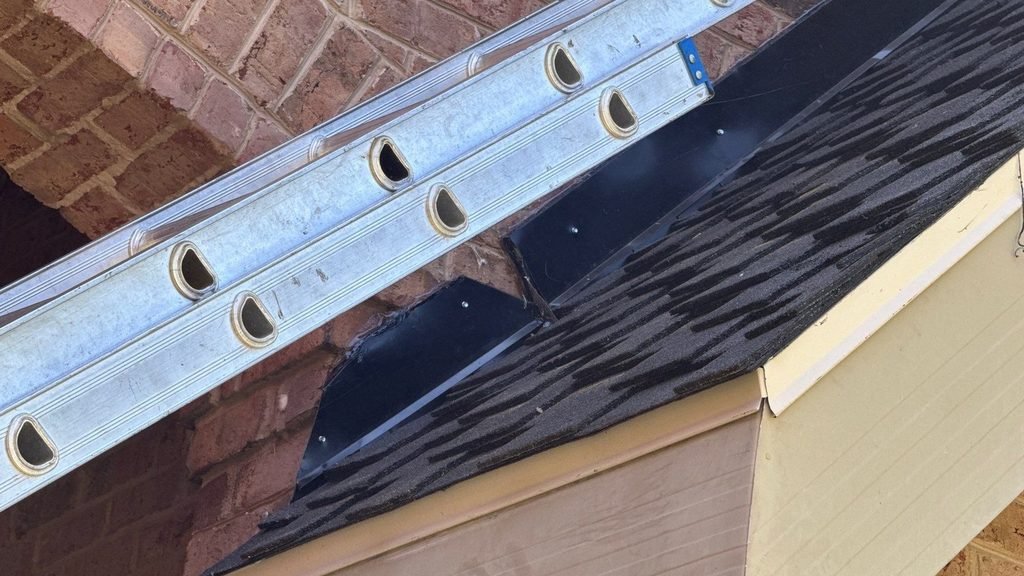
6 Common Types of Roof Flashing Used on Utah Homes
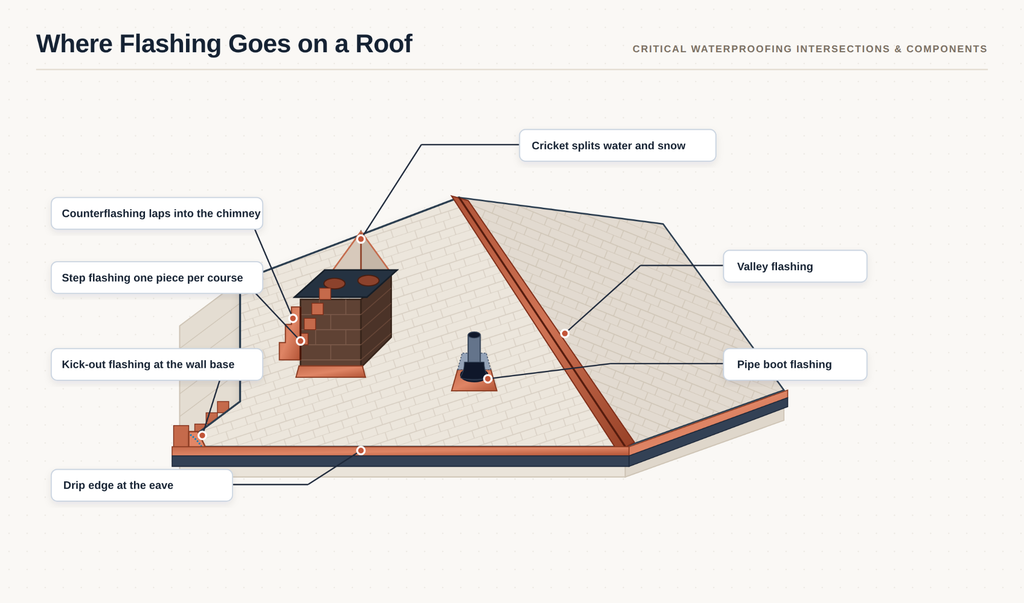
Most homeowners only need to recognize a handful of terms. Utah roofs typically use these:
- Step flashing: Small L-shaped pieces of metal, one per shingle course, installed where a sloped roof meets a vertical wall. Each piece is tucked under the shingle above and over the shingle below, stepping up the slope one course at a time.
- Counterflashing (apron flashing): A second layer set into the chimney or wall itself, lapping over the top edge of the step flashing below. At the front of a chimney, this same idea is usually called apron flashing.
- Valley flashing: A wide metal channel where two roof slopes meet and drain into each other. Utah roofs use both open valleys, with exposed metal, and closed valleys, where the shingles weave over it.
- Kick-out flashing (headwall flashing): A small diverter at the bottom of a step-flashing run, aimed at sending roof water into the gutter instead of behind the siding. It is one of the most commonly missing pieces on older homes and a frequent cause of hidden wall rot.
- Pipe boot flashing: A rubber or silicone collar, sometimes sold under brand names like Dektite, sealing a plumbing vent where it passes through the deck. The rubber typically cracks from UV exposure years before the surrounding metal wears out.
- Drip edge: Metal along the eaves and rakes that keeps water off the fascia and directs it into the gutter. It works alongside the ice barrier underneath it rather than replacing it.
Flashing metal is usually aluminum, galvanized steel, or copper. Aluminum is the most common and the least expensive choice. Copper lasts the longest and is the most visible option on a chimney. A corrugated metal roof needs its flashing custom-bent to match the panel profile, which is one more reason this is fitted work rather than a stock part.
Why Chimney Flashing Leaks (and How Crickets Prevent Them)
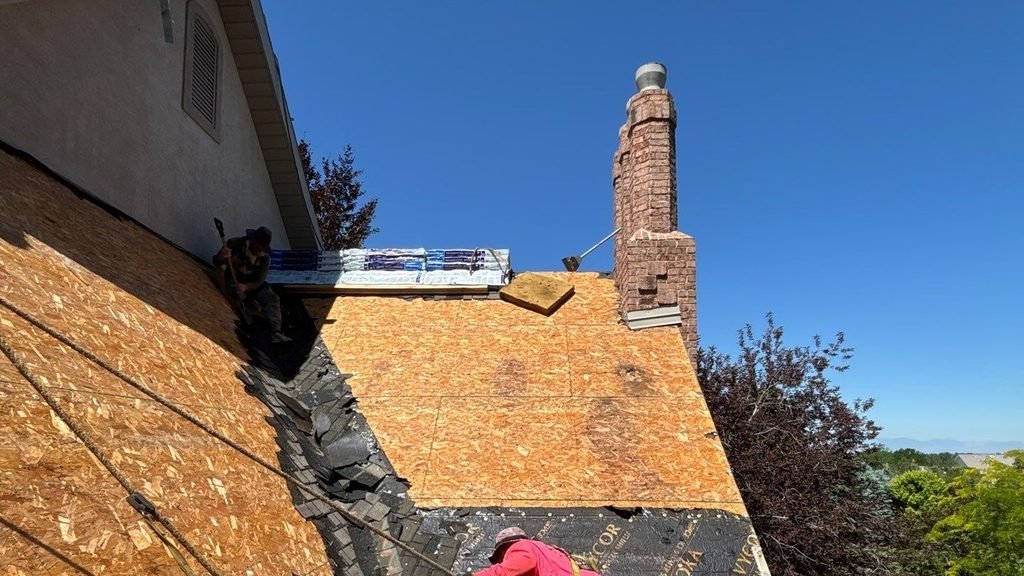
A chimney needs three pieces working together:
- Step flashing installed up each side.
- Counterflashing set into the masonry above it.
- A peaked cricket on the uphill side of a wide chimney to split snow and water around it instead of letting it pile up against the back wall.
Skip the cricket on a wide chimney, and that uphill side becomes the first place a Utah roof leaks after a heavy snow year.
A chimney leak rarely starts as a hole in the roof. It usually starts as a joint that has moved:
- Masonry and roof framing expand and contract at different rates.
- Mortar joints crack over time.
- Caulk sealing the counterflashing into the brick dries out and shrinks in cold weather.
None of that shows up as a missing shingle. It shows up as a stain on the ceiling near the chimney, months after the actual failure began.
Roof Flashing vs. Ice Dams: Can Flashing Stop Winter Water Intrusion?
An ice dam forms when heat escaping from the house warms the upper roof deck, melts the snow sitting on it, and sends that water down to the cold eaves, where it refreezes. The ridge of ice that builds up traps more water behind it, and that water has nowhere to go but up and under the shingles, according to the Insurance Institute for Business & Home Safety.
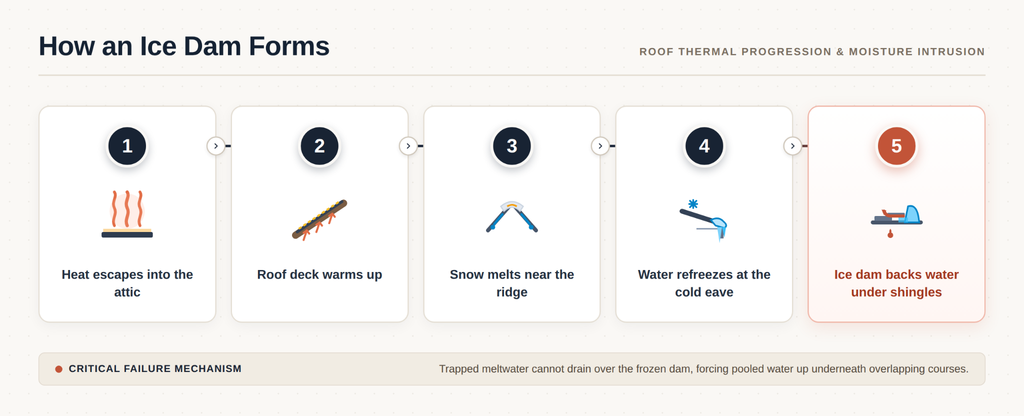
Flashing does not stop an ice dam from forming. An ice dam is caused by heat escaping through the attic, and that has little to do with anything happening at the roof’s edges.
What flashing and the ice barrier underneath it actually do is give that trapped water somewhere safer to fail:
- A well-sealed valley or wall line can hold back water backing up under an ice dam.
- A dried-out, cracked seal at the same spot is exactly where that water gets in.
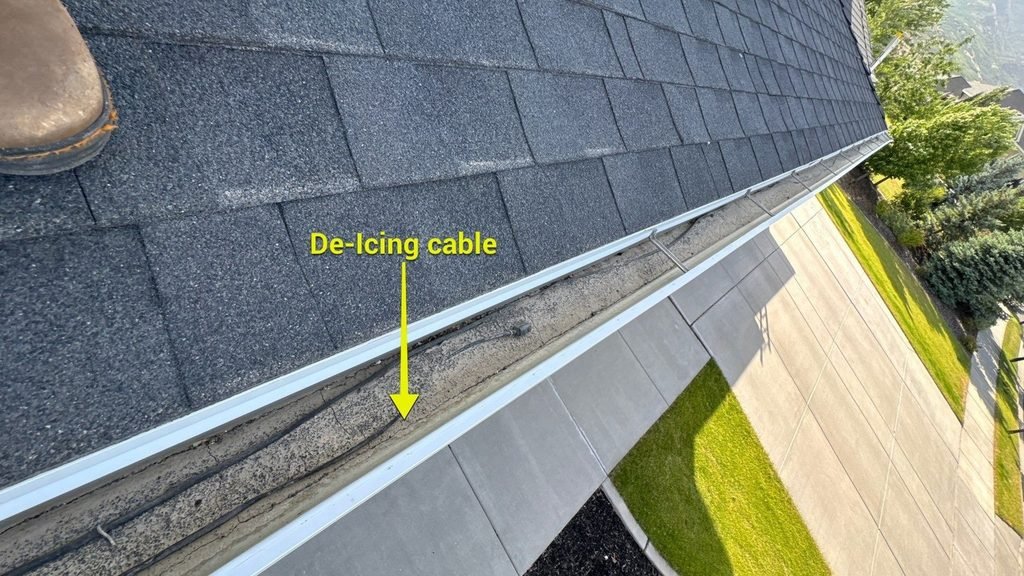
Sealants around flashing, especially on older roofs, can shrink in cold temperatures and open small gaps at chimneys, valleys, and vent pipes, according to FORTIFIED, an IBHS program.
This is also why an insurer or a roofer usually treats ice damming and flashing failure as two separate issues:
- Fixing a leak that showed up during an ice dam does not fix the ice dam itself.
- Insulating the attic does not repair flashing that was already failing before the snow arrived.
Utah Roofing Code: Ice Barrier Requirements at the Eaves (IRC 2024)
Utah has adopted the International Residential Code (IRC), which mandates specific protections against winter water backup:
- Mandatory ice barrier: Requires an ice barrier—a self-adhering, waterproof membrane commonly called ice-and-water shield—at the eaves of homes in areas with a history of ice damming.
- Minimum run requirement: The International Residential Code specifies that the membrane must run from the edge of the roof to at least 24 inches inside the exterior wall line.
In practice, that 24-inch minimum is often not enough on a bench home that holds snow for weeks at a time.
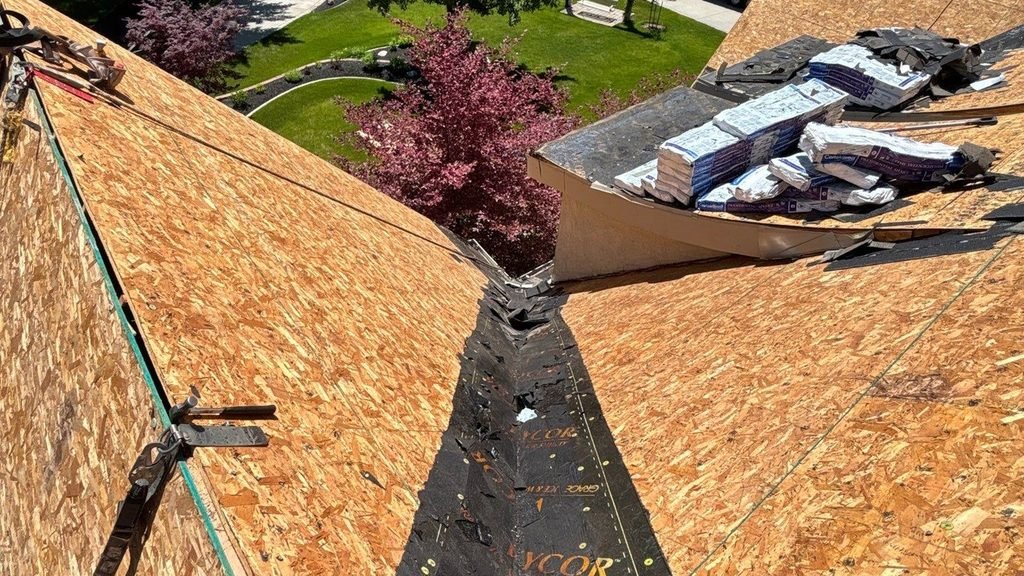
When ice-and-water shield is installed across only the first few feet of roof, the rest of the slope is left with just shingles and standard underlayment between the home and backed-up water.
Beyond the eaves, critical vulnerability zones require separate coverage that matters just as much:
- Valleys
- Chimneys
- Roof-to-wall intersections
Warning Signs Your Flashing Needs a Look
- A ceiling stain that appears near a chimney, skylight or exterior wall, especially after snowmelt or wind.
- Daylight visible around a chimney or vent pipe from inside the attic.
- Metal that looks lifted, bent, or separated from the wall or shingles when viewed from the ground.
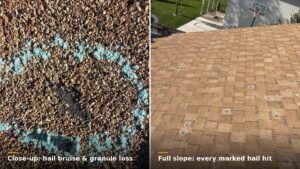
- Granule loss or curling shingles right next to a flashed joint, often the first place UV and freeze-thaw wear shows up.
- Rust streaks running down a chimney or wall below a flashing line.
The table below gives a simple cadence for checking flashing specifically, separate from a full roof inspection:
| When | What to check |
| Every fall, before the first heavy snow | Counterflashing seals, step flashing, and the ice barrier at the eaves |
| After a winter with heavy ice damming | Valley flashing, chimney joints, and any wall line that held ice |
| Roof over 15 years old | Pipe boot rubber, kick-out flashing, and sealant at every penetration |
| After hail or high wind | Flashing edges lifted or bent, especially at the ridge and chimney |
| Before listing a home for sale | A full documented inspection covering every flashed joint |
5 Common Places Roof Flashing Fails (and Causes Hidden Leaks)
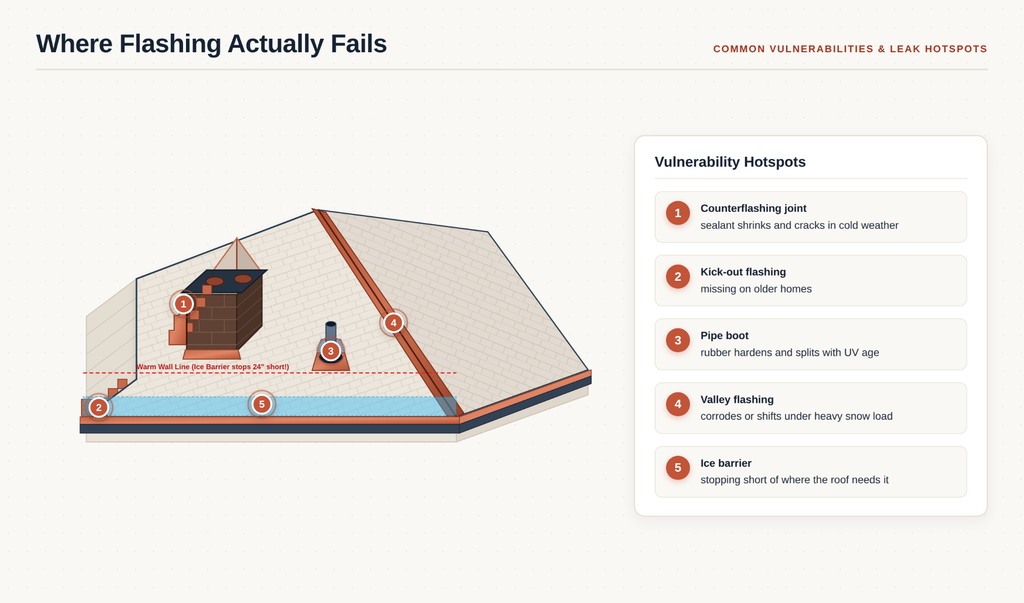
A roof rarely fails because of one obvious hole. Most roof leak repair calls trace back to one of these points:
- Cracked or shrunk sealant at a counterflashing joint.
- Reused step flashing left in place during a previous re-roof instead of being replaced.
- Missing kick-out flashing where a roof slope meets a vertical wall intersection.
- Deteriorated pipe boots where the rubber collar has hardened and split from UV exposure.
- Insufficient ice-and-water shield that stopped short of where the roof deck actually needs protection.
Any one of these issues can sit quietly for a season before water works its way into the home and shows up as an interior ceiling stain.
| Suspect a Hidden Flashing Leak? Small flashing gaps around chimneys and valleys can rot roof decking long before stains hit your ceiling. Explore our targeted Roof Repair Services to see how we trace and seal failing joints. |
Flashing vs. Total Roof Health: Does Damaged Flashing Mean a Full Replacement?
Flashing, ice-and-water shield, attic ventilation, and the shingles themselves each do a different job.
A roof that leaks at the chimney or after a snowmelt usually has one specific layer failing. Knowing which layer is compromised helps you avoid paying for an entire re-roof when the actual issue is isolated to a section of counterflashing or a missing kick-out diverter.
| Isolated Leak or Systemic Failure? A damaged run of step flashing rarely justifies an entire new roof. Read our guide on Roof Repair vs. Roof Replacement for Utah Homes to determine the most cost-effective fix. |
Protecting Your Utah Home Before Winter Hits
Catching compromised flashing before Utah’s heavy snowpack settles on your roof is the easiest way to prevent destructive ice backup and costly attic rot.
Whether you are dealing with an active chimney drip or scheduling pre-winter maintenance, addressing joints early keeps small metal repairs from turning into major structural claims.
FAQs
It depends on what is failing. Resealing an exposed nail head or minor boot crack is a manageable DIY job with the right sealant. Step flashing, counterflashing, and anything requiring shingle removal or masonry work should always be handled by a licensed roofer to protect your workmanship warranty.
No. Ice dams form from attic heat loss melting roof snow, not from flashing issues. Properly layered flashing and ice-and-water membranes merely provide a sealed barrier so backing-up water cannot leak into the house once a dam forms.
Repair costs vary depending on the number of failing joints, the flashing material, and whether surrounding shingles must be removed. Because every roof layout is different, Rooval Roofing performs a documented on-site inspection to provide a firm, written estimate rather than quoting over the phone.
Common warning signs include ceiling stains near chimneys or walls, visible daylight around attic vents, and metal that looks bent or lifted from the roofline. Rust streaks on siding and curling shingles along flashed seams are also clear indicators of joint failure.
Inspect flashing at least once a year, ideally in the fall before heavy snow settles on the roof. Roofs over 15 years old or homes coming off a winter with heavy ice dams should be checked sooner as part of a complete professional roof inspection.