When roof repairs cost more than 20 to 30 percent of a full replacement, investing in a new roof is usually the smarter long-term value. However, if you live along the Wasatch Front, three critical factors can completely shift your choice:
- How the damage occurred: Weather and age dictate whether a simple patch is a viable long-term fix.
- Utah insurance rules: State claim regulations dictate when a carrier must cover full replacement instead of a partial patch.
- HOA requirements: Community guidelines often enforce strict visual matching, ruling out simple spot repairs.
Before making a costly call, understanding how these variables apply to your situation will help you pick the right path.
Key Takeaways
- Utah Climate: Wasatch Front wind causes more damage than hail; brittle or creased shingles need fast evaluation.
- Insurance & HOA Rules: Utah matching rules (R590-190) and HOA standards often turn partial repairs into full replacements if shingles are discontinued or mismatched.
- The 3 Solutions: Repair localized damage (under 15 yrs), perform a tune-up for preventive care (10–18 yrs), or fully replace if aged (20+ yrs), leaking frequently, or selling soon (3–5 yrs).
- Avoid Shortcuts: Overlays and partial replacements trap heat, void warranties, create visual mismatches, and risk HOA fines.
Repair, Tune-Up, or Full Replacement: What Is the Difference?
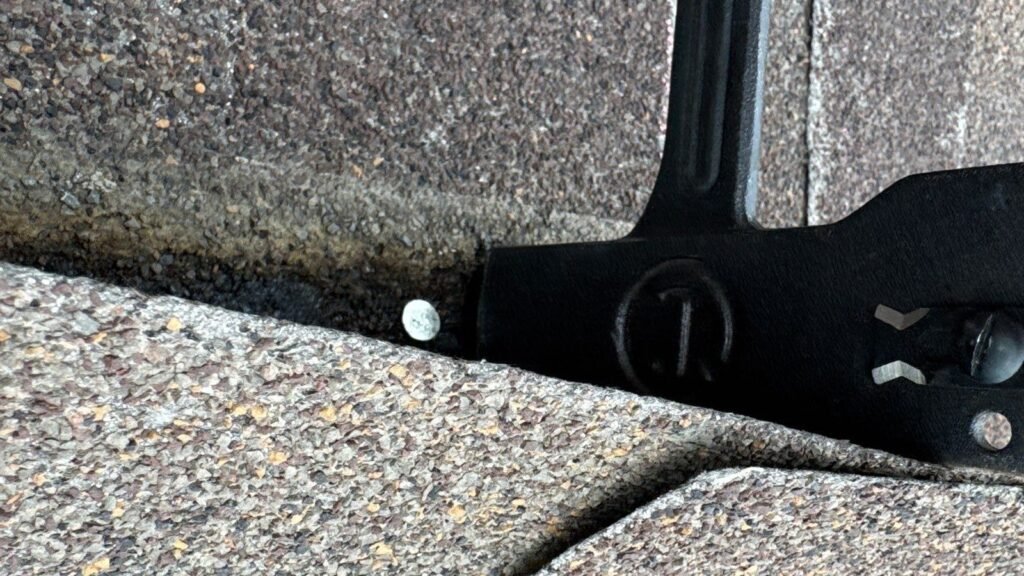
Many homeowners assume the only options are a quick repair or a complete replacement. In reality, there is a middle ground that fits many Utah homes.
Repair
Fixes a single localized problem, such as a cracked pipe boot, wind-creased shingles, or flashing leaks. While minor fixes usually cost a few hundred dollars, extensive repairs can reach a couple of thousand dollars.
Tune-Up
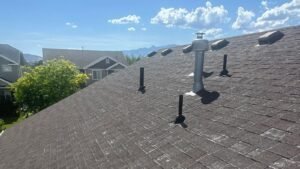
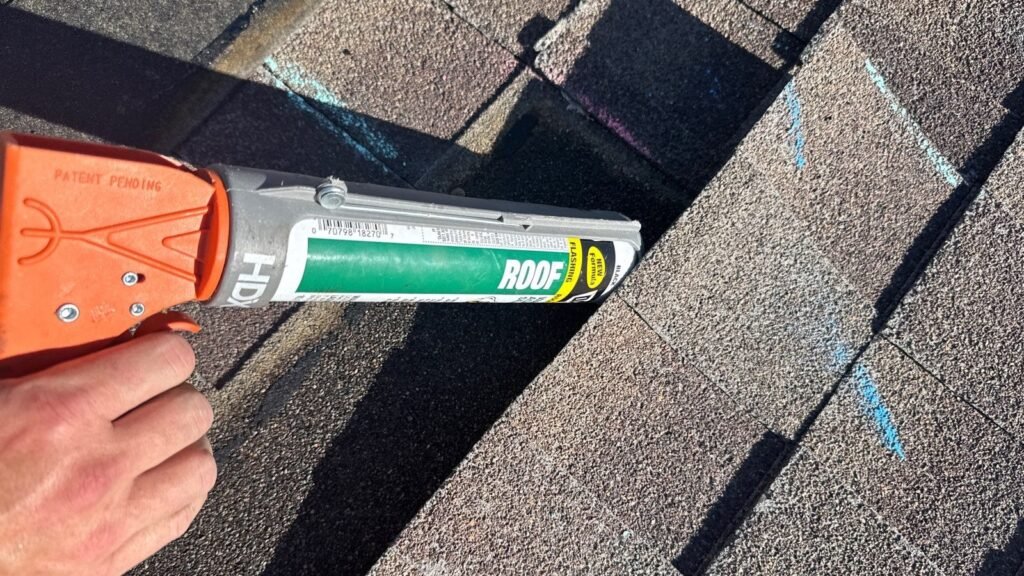
A preventive maintenance visit that includes resealing penetrations, securing loose shingles, clearing valleys and gutters, and receiving a detailed condition report. A tune-up is ideal for an aging but structurally sound roof and is the most cost-effective proactive option.
Full Replacement
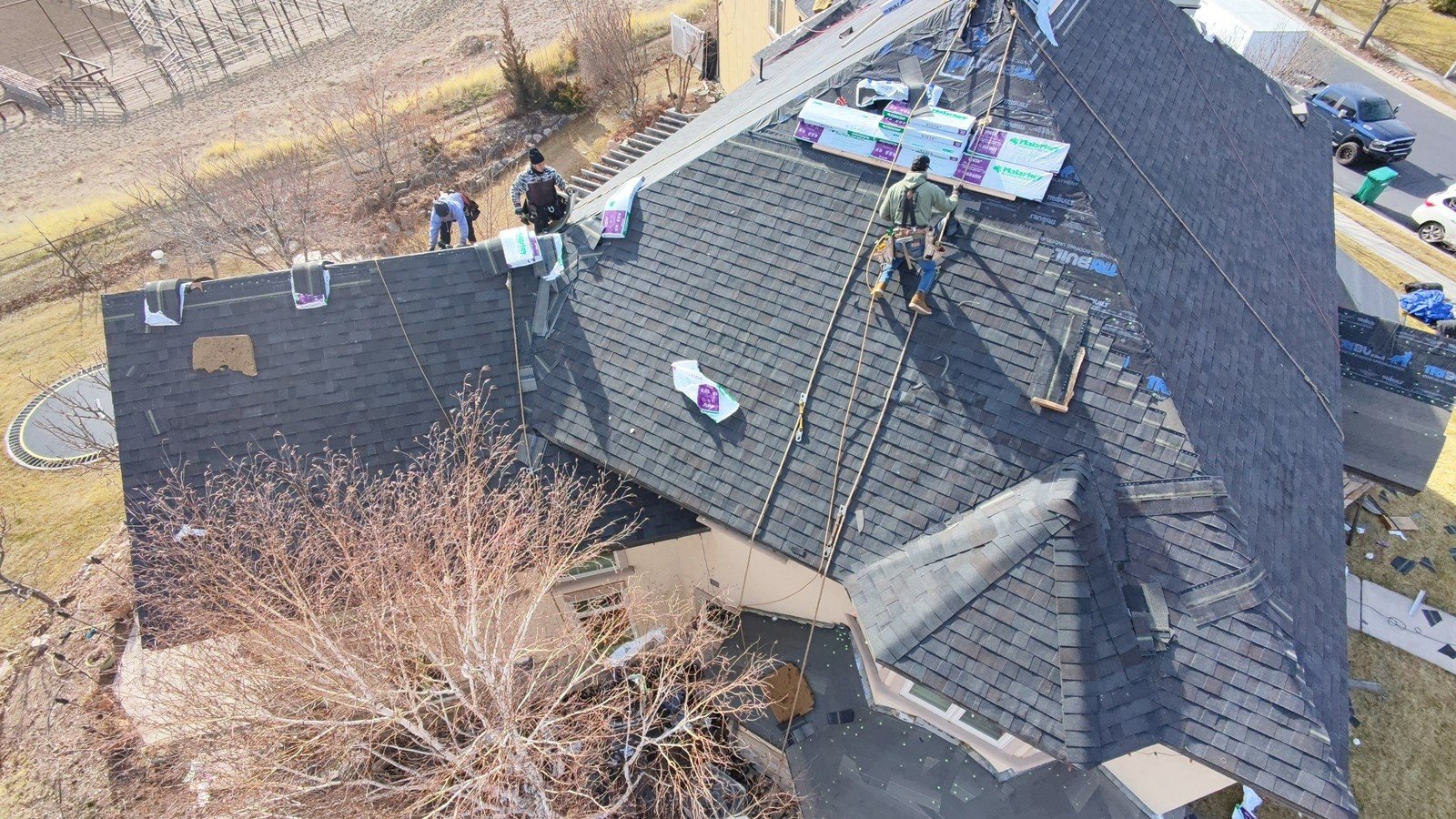
A complete tear-off and installation of a new roofing system. Most Wasatch Front asphalt roof replacements cost between $20,000 and $30,000 installed in 2026, with larger, steeper, or premium-material roofs running higher.
If your roof isn’t damaged enough to justify replacement but needs more than a simple patch, a tune-up is often the ideal solution.
| Related Resource: Not sure which option you need? A Rooval Roofing roof tune-up includes a comprehensive inspection and a written condition report to guide your decision. |
How Utah Weather Causes Roof Damage
Once you know your options, the next step is determining what caused the damage. Utah’s climate creates distinct wear patterns, each pointing toward a specific solution.
| Utah Cause | Typical Symptoms | Recommendation |
| Freeze-thaw cracking | Cracked or lifted shingles, often concentrated on north-facing slopes | Repair: If localized to a single slope. |
| Ice dam backup | Interior water stains near exterior walls; soft roof decking near eaves | Repair or Replace: Requires a moisture check to evaluate underlying deck damage. |
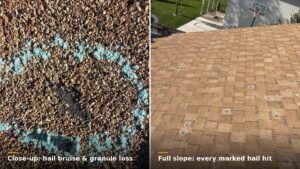
| Hailstorm bruising (June–Sept) | Soft spots underfoot, dented vents/gutters, widespread granule loss | Likely Replacement: Utah matching laws often turn partial hail claims into full replacements. |
| Snow load sagging | A visible dip or wave along the roofline | Inspect Immediately: Indicates structural failure; requires professional evaluation before proceeding. |
| High-elevation UV aging (15+ yrs) | Brittle shingles and widespread granule loss across all slopes | Full Replacement: The roofing material has reached the end of its lifespan. |
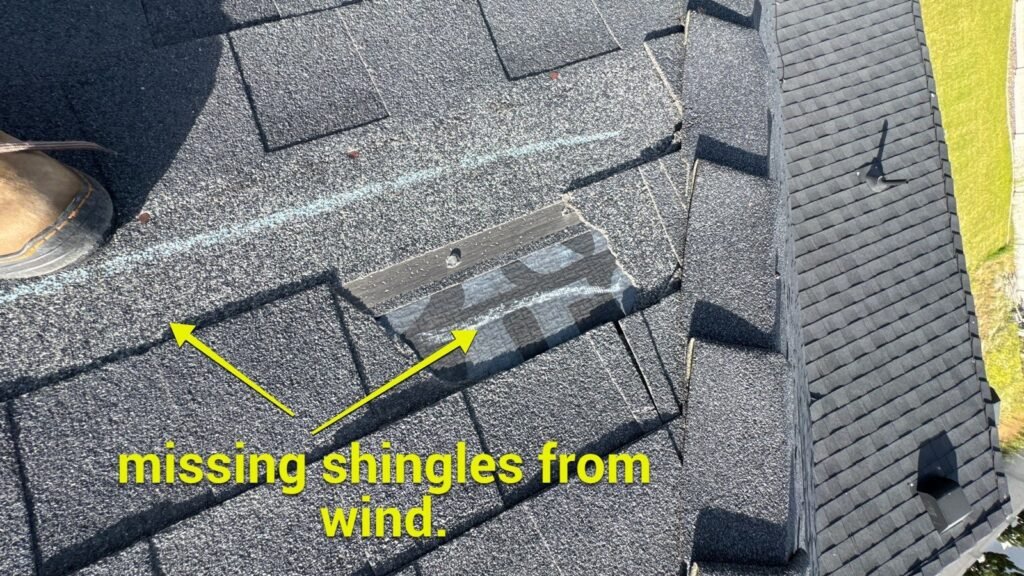
| Canyon wind creasing | Lifted or creased shingles near ridges, edges, and corners | Repair or Replace: Patch if isolated; replace if widespread or on an aging roof. |
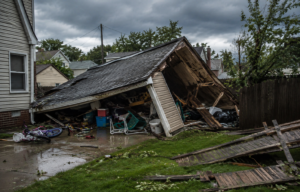
Wind causes significantly more roof damage in Utah than hail.
From 2016 through mid-2026, NOAA’s storm records logged the following events across Salt Lake and Utah counties combined:
- 417 severe wind events (58+ mph)
- 21 significant hail events (1+ inch)
With nearly twenty times as many severe wind events as significant hail events, high winds remain the leading cause of weather-related roof damage along the Wasatch Front.
| Related Resource: Review the full 10-year NOAA hail and wind dataset for Salt Lake and Utah counties to track local storm patterns year by year. |
The Financial Turning Point: When Does Repair Stop Making Sense?
Once you know what caused the damage, the next consideration is financial. A $500 minor patch against a $25,000 replacement is a straightforward choice—the cost gap makes a spot repair obvious.
The decision becomes trickier in the middle range. For example, spending $2,500 to repair a 16-year-old roof compared to a $22,000 full replacement represents about 11% of the total replacement cost. On paper, that low percentage makes repair look like the smarter option.
However, frequency matters as much as upfront cost. If that same roof has already required multiple fixes over the past year, you aren’t comparing a single repair to a replacement—you are adding up a series of temporary fixes that delay an inevitable replacement while draining your budget.
| Utah Roof Replacement Cost Guide: What drives project pricing up or down across the Wasatch Front? Learn how roof pitch, tear-off layers, decking condition, and ventilation affect total costs in our 2026 Utah roof replacement cost guide. |
How Homeowners Insurance Affects Roof Repair and Replacement in Utah
If storm damage triggered your roofing issue, insurance introduces two critical variables into the repair-versus-replacement decision:
- ACV vs. RCV Coverage:
- Actual Cash Value (ACV): Payouts factor in depreciation based on your roof’s age, resulting in lower upfront checks.
- Replacement Cost Value (RCV): Policies pay the full cost to replace the roof with modern materials without taking an age deduction (the secondary portion of the payout is typically released once the work is completed). Knowing which policy type you have immediately dictates your out-of-pocket obligation.
- Utah’s Line-of-Sight & Matching Rules: Under Utah Administrative Code R590-190 (Unfair Property, Casualty, and Title Claims Settlement Practices Rule), insurers face clear requirements when replacement materials do not match existing structures:
- Discontinued Shingles: On roofs older than 12 years, exact shingle models are frequently discontinued.
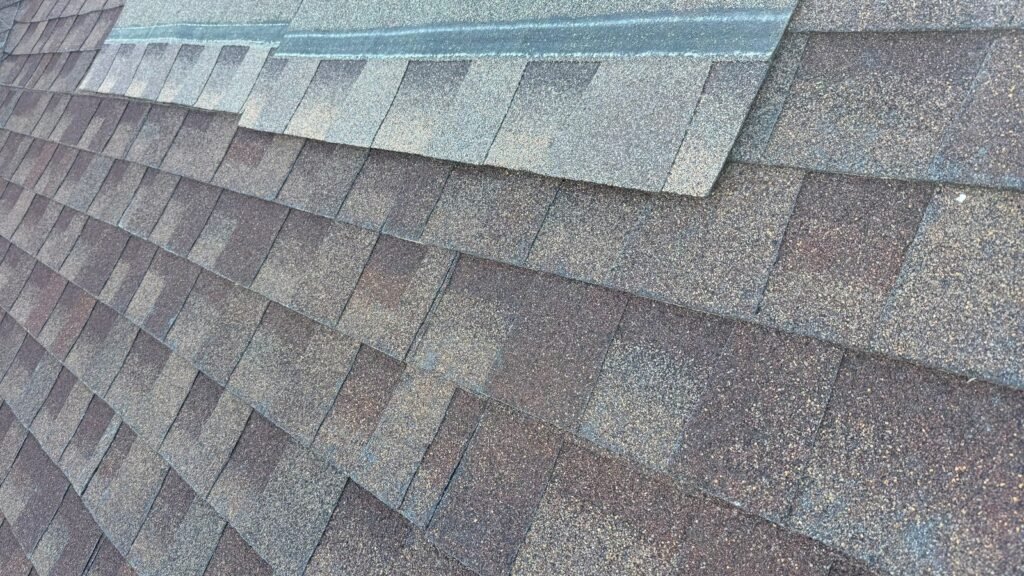
- Scope Expansion: If an exact match in color, size, or quality is unavailable, insurers cannot simply force a mismatched patch. This requirement often elevates a minor localized repair into a full-slope or full-roof replacement claim.
- Case-by-Case Review: Adjusters determine matching obligations on an individual basis, making direct communication with your insurer critical.
Utah’s hail season runs from about June through September. If a storm hits your roof, get it inspected and documented before you file a claim. Photos of the actual damage support a matching claim better than an estimate alone.
| Related Resource: Learn how Roova Roofing systematically captures and photographs storm damage evidence so no critical details are missed on your claim. |
How HOA Rules Can Affect Your Roof Repair Options
Insurance rules are not the only outside guidelines that determine your next step. If you live in a master-planned community or HOA, association guidelines add another layer to the repair-versus-replacement decision.
- Architectural Review Requirements: In areas like Saratoga Springs, Lehi, and newer developments throughout Utah and Salt Lake counties, most HOAs require written approval from an Architectural Review Committee (ARC) before any exterior work begins—even for simple repairs.
- Color and Style Restrictions: Covenants, Conditions, and Restrictions (CC&Rs) generally restrict roofing materials to approved neutral palettes (such as charcoal, black, and weathered wood).
- The Discontinued Shingle Dilemma: If your original shingle style has been phased out, installing a slightly mismatched patch can trigger non-compliance warnings or fines from your HOA board, even if your insurance adjuster initially approves a partial repair.
Before assuming a spot patch is your cheapest option, review your community’s CC&Rs or contact your ARC directly to verify whether a partial repair meets local visual matching standards.
Can You Overlay a Roof or Replace Only Part of It?
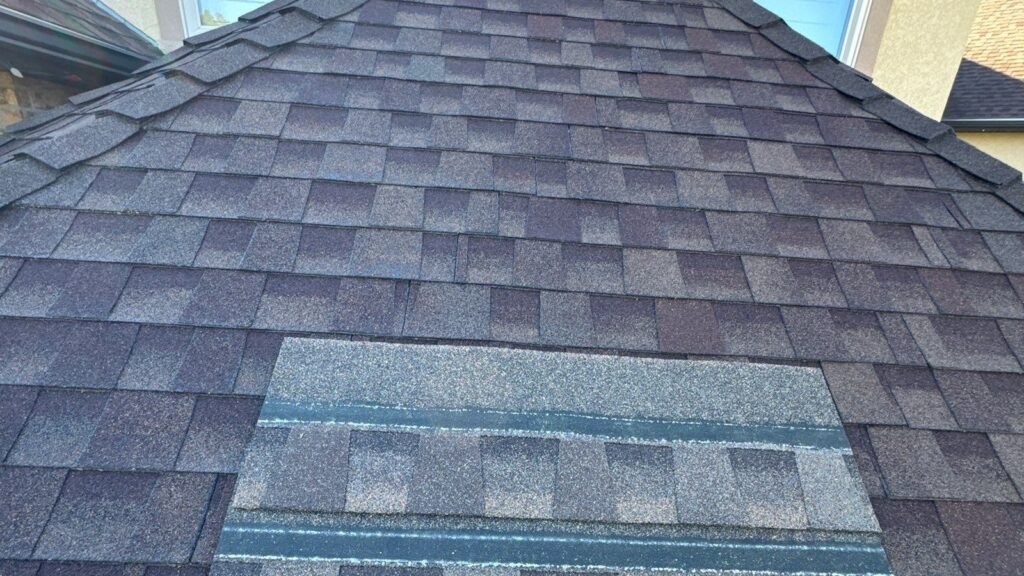
The insurance rules and HOA guidelines above often lead homeowners to ask a logical follow-up question: Can you take a shortcut instead of a full replacement?
While overlays and partial replacements seem like budget-friendly compromises, both involve strict building codes and hidden long-term costs.
- Overlay (Roof Recover):
- Code Compliance: The International Residential Code (IRC R908.3) prohibits installing a new layer of shingles over a roof that already has two or more layers. Because most Wasatch Front homes built in the last 30 years are still on their first roof, an overlay is often legally permissible.
- The Drawbacks: Laying new shingles over old ones traps extreme summer heat and moisture, accelerates material degradation, voids most manufacturer warranties, and hides underlying plywood decay. For these reasons, an overlay is considered a temporary patch rather than a true replacement alternative.
- Partial Replacement (Slope-by-Slope):
- Matching Risks: Replacing only the wind- or hail-damaged slopes of a roof is technically viable, but it runs directly into the matching issues outlined earlier. New shingles rarely blend seamlessly with sun-faded, weathered shingles on adjacent slopes.
- Long-Term Disadvantages: Beyond creating an obvious visual seam down the ridge line, partial replacements frequently trigger HOA non-compliance notices and leave older sections vulnerable to failure just a few years later.
While shortcuts may reduce initial out-of-pocket expenses, a complete tear-off remains the only reliable way to inspect the structural deck and secure full warranty protection.
How Roof Age Affects Home Resale and Insurance in Utah
Roof age impacts more than immediate repair decisions—it significantly influences real estate transactions and buyer financing across the Wasatch Front.
- Market Velocity & Buyer Pool: Utah County is the fastest-growing region in the state, with cities like Saratoga Springs, Eagle Mountain, and Lehi leading statewide growth according to Kem C. Gardner Policy Institute data.
- Insurance Underwriting Barriers: Major carriers increasingly restrict coverage on older roofs. Even if an aging roof shows no active leaks, insurers may refuse to issue a new Replacement Cost Value (RCV) policy to a buyer, forcing them onto an Actual Cash Value (ACV) policy or declining coverage entirely.
- FHA Financing Delays: For buyers using government-backed loans, HUD guidelines (Single Family Housing Policy Handbook 4000.1) mandate that appraisers flag any roof with less than two years of remaining physical life. This requirement can stall buyer financing approval until the roof is repaired or replaced.
If you plan to sell your home within the next few years, factor these market dynamics into your decision. Discounting a home price or offering seller concessions for a disclosed 20-year-old roof often costs more during closing negotiations than proactive replacement would upfront.
How to Decide: Repair, Tune-Up, or Replace Your Roof
Before reaching out to contractors, use this quick decision matrix to evaluate where your roof stands across key local factors:
| Evaluation Factor | Repair | Tune-Up | Full Replacement |
Roof Age | Under 15 years old | 10–18 years old (structurally sound) | 20+ years old |
Damage Scope | Single localized area or flashing leak | Minor maintenance (loose shingles, sealing) | Widespread across multiple slopes |
| Repair History | First or second minor issue | Routine preventive checkup | 3+ repairs in recent years |
Decking Condition | Solid, dry deck | Solid deck needing maintenance | Soft spots, sags, or widespread moisture |
HOA & Matching | Shingle active & match permitted | Standard maintenance approved | Discontinued shingle / match denied |
| Resale Horizon | Staying 5+ years | Staying or selling soon | Selling within 3–5 years |
Why Choose a Roofer Who Offers Repair, Tune-Ups, and Replacement
Once you are ready to request an estimate, contractor selection becomes the final critical decision.
Contractors who exclusively install new roofs have an incentive to push full replacements, while repair-only contractors may push temporary patches on a failing roof.
Working with a full-service contractor who offers repairs, tune-ups, and replacements eliminates this conflict of interest.
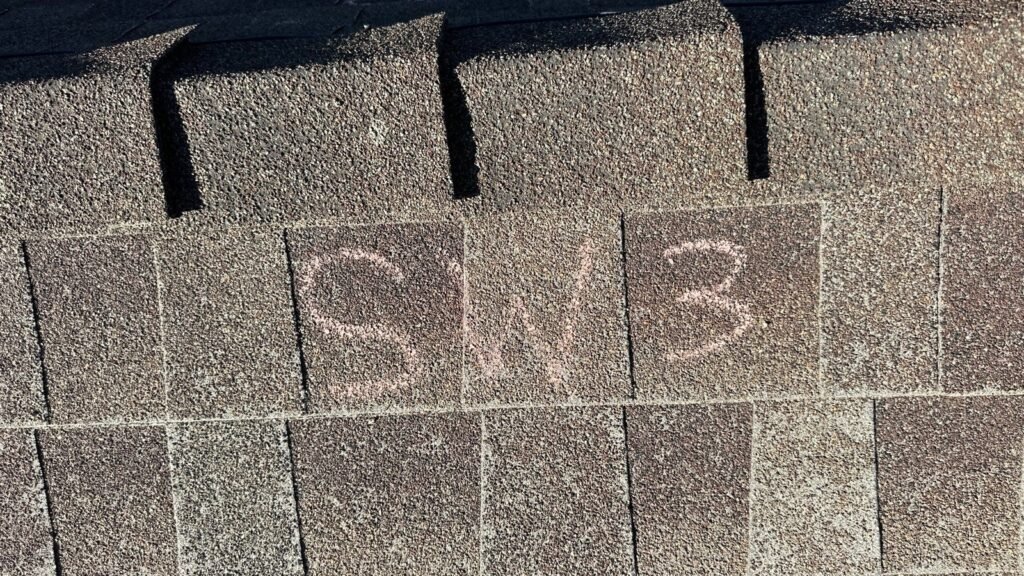
During an inspection, an evaluator should examine every slope, inspect flashing, evaluate decking integrity, check shingle availability for matching, and document all findings with high-resolution photos, ensuring you receive an honest recommendation tailored to your roof’s actual condition.
Making the Right Choice for Your Utah Roof
Determining whether to repair, tune up, or replace your roof comes down to balancing your immediate budget with long-term value.
By considering your roof’s age, weather damage, local insurance matching rules, HOA guidelines, and resale plans, you can make a confident decision that protects both your home and your investment.
| Get a Straight Answer on Your Roof Roova Roofing provides free roof inspections across Utah County and the Salt Lake Valley—including Lehi, American Fork, Provo, Draper, and surrounding communities. We deliver honest, written evaluations detailing whether your home needs a minor repair, a preventive tune-up, or a full replacement, backed by high-resolution photos and upfront pricing. Call (385) 424-8810 or book your free inspection online today. |
FAQs
Not exactly. Roof restoration usually means a broader refresh. This can include cleaning, coating, or resealing an aging roof to make it last longer. Repair usually means fixing one specific problem, like a leak or storm damage. A Rooval tune-up covers most of what homeowners mean by roof restoration on an asphalt shingle roof.
There is no fixed number. But two or three repairs within a couple of years on the same roof is usually a sign that the material itself has failed, not just one spot. At that point, the total cost of repeated repairs is often close to, or more than, the cost of a full replacement.
No. Most crews only need access to your attic if there is interior work involved, and to a power outlet or water spigot outside. A typical asphalt shingle tear-off and install takes one to two days. It is loud, so plan around that if you work from home or have pets that are sensitive to noise.
It can. Insurers price policies partly on roof age and material condition. Replacing a roof that was 15 to 20 years old or older can lower your premium, and it can open up coverage options that were not available on the old roof, including full Replacement Cost Value policies from insurers that had moved you to ACV-only coverage.
Late spring through early fall is the easiest window, after spring runoff and before the first snow. That said, storm damage should not wait for ideal weather. If a roof is actively leaking or a claim deadline is approaching, repairs can be done in winter. Scheduling non-emergency replacements right after hail season, in early fall, often means a shorter wait than mid-summer.