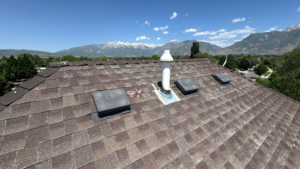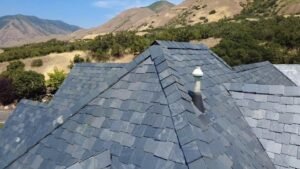
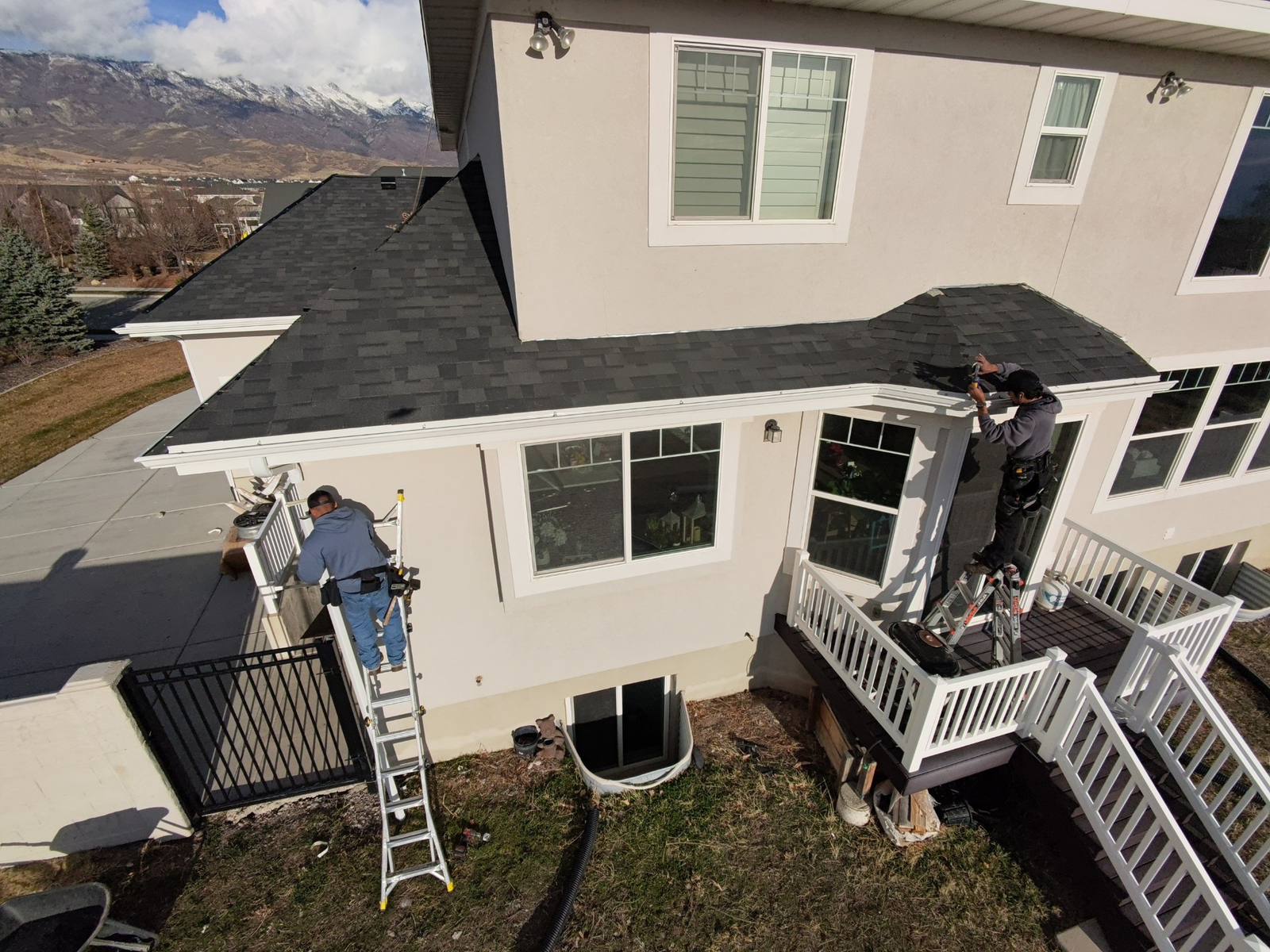
Utah roofs experience significant temperature fluctuations and extreme weather throughout the year. Across the state, winter temperatures often fall below freezing, with typical valley lows ranging from 20°F to 27°F and even colder in higher-elevation areas. Then summer brings the opposite extreme, with heat waves pushing temperatures above 100°F. In fact, Salt Lake City reached 109°F in July 2026. This is the hottest temperature ever recorded in the city’s history.
Add snow, hail, high winds, and repeated freeze-thaw cycles to the mix, and roofs in Utah take a significant beating over time. Plus, the weather-related roof damage doesn’t always show up immediately. A loose shingle issue may seem minor at first but can gradually worsen with each passing season.
So, if you are still wondering how often you should inspect your roof in Utah, this guide is for you. Keep reading!
Key Takeaways
- Utah’s weather can affect roofs year-round. Heat, UV exposure, freeze-thaw cycles, snow, hail, and wind can all contribute to roof wear.
- Roof inspection services can catch even small problems, such as loose shingles and other minor issues, early, before they become more serious if left untreated.
- A roof doesn’t need to leak to require an inspection. Some damage, particularly hail bruising, flashing deterioration, and early shingle damage, may not be obvious from the ground.
- Significant weather can justify an additional roof inspection. Consider a storm-damage inspection after major hail or high winds. After unusually heavy snow or prolonged ice accumulation, a separate roof check can help identify snow- and moisture-related problems.
- Fall can be a practical time for pre-winter roofing inspection. Identifying problems before snow and freezing temperatures arrive gives homeowners time to address them on time.
How Often Should Utah Homeowners Have Their Roof Inspected?
For most Utah homeowners, a professional roof inspection at least once a year is a good maintenance practice. But you may want an additional roof inspection depending on the season, recent weather, or what you notice on your roof. Here is a quick table added for your reference:
| Situation | Recommended Inspection |
| Normal roof maintenance | At least once a year |
| Before winter | Late summer or early fall |
| After winter | Spring |
| Major hailstorm | Additional inspection |
| High-wind event | Additional inspection |
| Unusually heavy or long-lasting snow | Consider an additional roof inspection |
Annual inspections can help identify small issues before they become more serious, while weather-related roof inspections can catch damage that may not be obvious from the ground.
Top Reasons Why a Roof Inspection Is Necessary in Utah
Knowing that Utah’s weather can be hard on your roof is one thing, and knowing what that means for your home is another. Each season brings its own set of challenges. If small problems from one season are left unaddressed, they can become bigger vulnerabilities when the next season arrives. Here are the key reasons Utah homeowners should make weather-related roof inspections a part of their home maintenance.
1. Harsh Summer Heat and UV Exposure
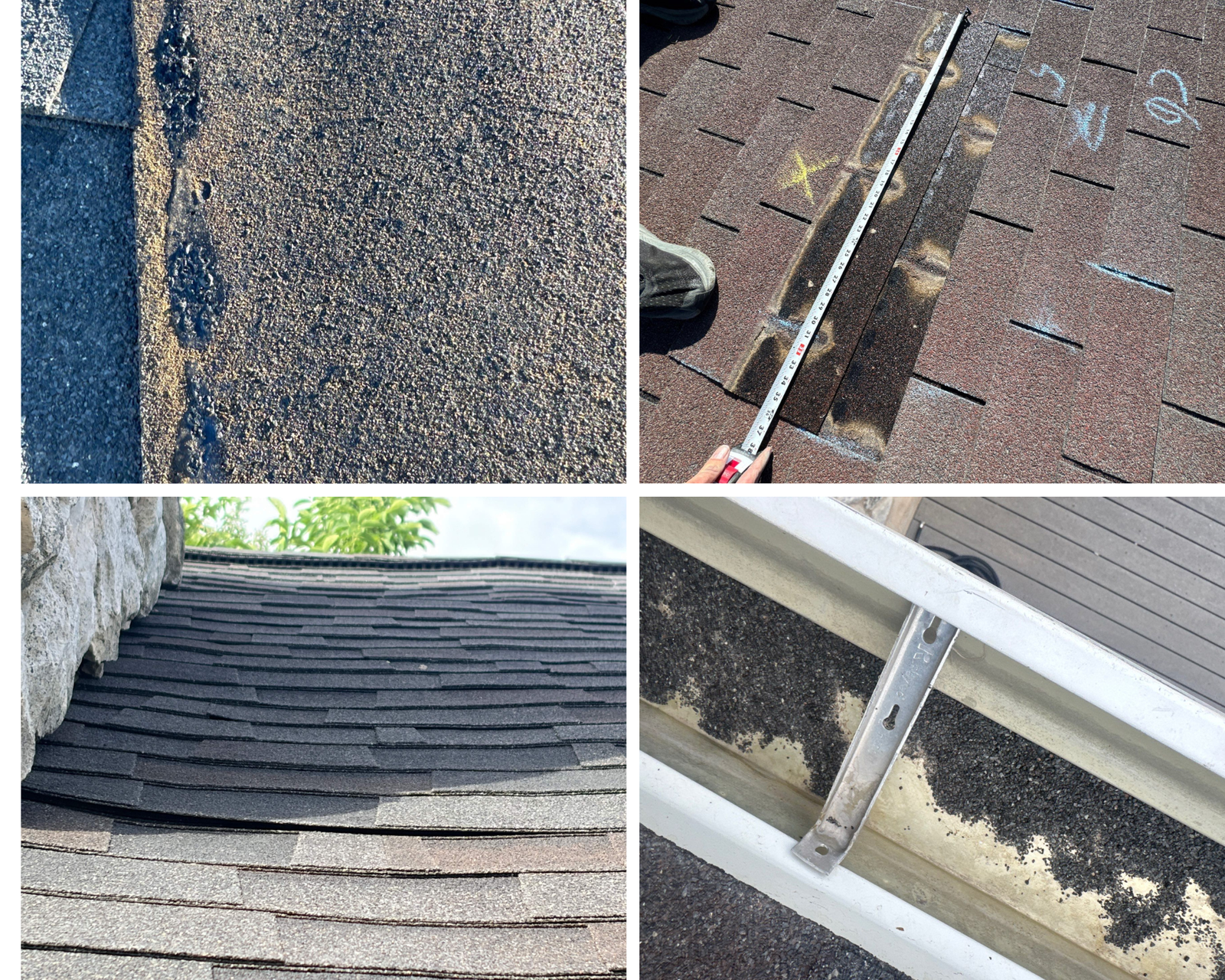
Utah’s summer heat can place considerable stress on roofing materials, especially when temperatures remain high for days or weeks. This isn’t limited to Salt Lake City or southern Utah. Communities along the Wasatch Front, including Springville, can also experience prolonged periods of high summer temperatures. For example, summer climate data for the Provo area shows that July is the hottest month here with an average high of 90°F and low of 61°F.
Along with high temperatures, roofing materials are exposed to prolonged sunlight and ultraviolet (UV) radiation. Over time, this repeated exposure can contribute to the aging and deterioration of roofing materials.
Common signs of heat- and UV-related roof wear include:
- Cracking
- Brittleness
- Curling edges
- Granule loss
- Membrane deterioration
Because these changes can develop gradually, homeowners may not notice them from the ground. A roof inspection can help identify early signs of heat- and UV-related deterioration and determine whether the roof needs maintenance, repair, or simply continued monitoring.
2. Winter Freeze-Thaw Cycles and Ice Dams
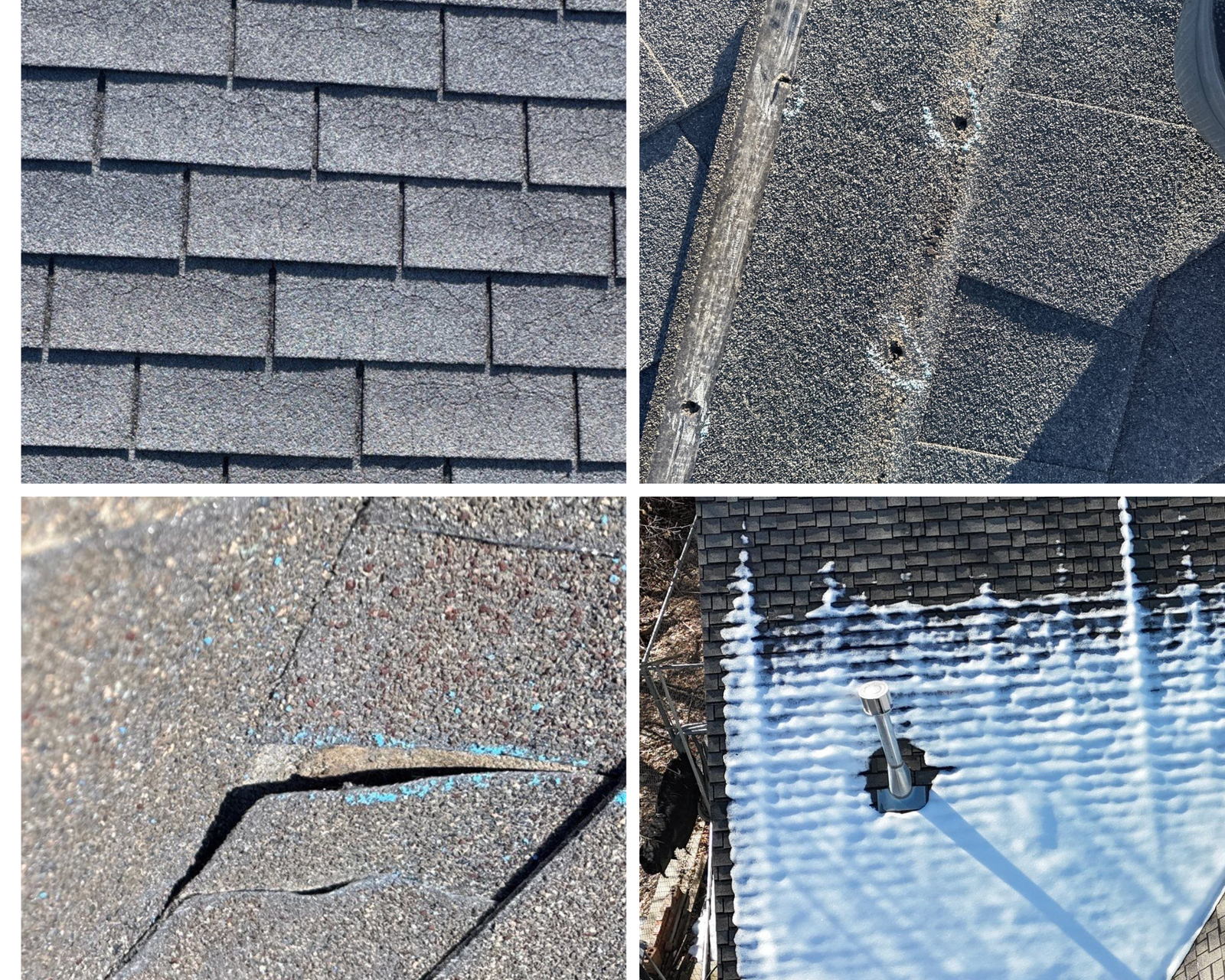
Utah’s freeze-thaw pattern, where daytime temperatures climb just above freezing and then drop back down overnight, is one of the toughest challenges a roof faces all year. Any moisture that gets into small cracks, nail holes, or aging flashing expands as it freezes and contracts as it thaws. Repeated over an entire winter, this cycle widens existing damage and can pry apart materials that were only loosely sealed to begin with.
Ice dams add another layer of risk. When heat escaping from the attic melts snow on the upper roof, the water runs down and refreezes at the colder eaves, creating a ridge of ice that can push water back under the shingles. A professional roof inspection can identify weak points, damaged flashing, and other signs of winter-related wear.
So, if you are wondering, “Should I have my roof inspected after winter in Utah?
The answer is “Yes”. A post-winter roof inspection in Utah can help identify damage from freezing temperatures and repeated freeze-thaw cycles before those problems worsen in the warmer months.
3. Prolonged Snow Accumulation
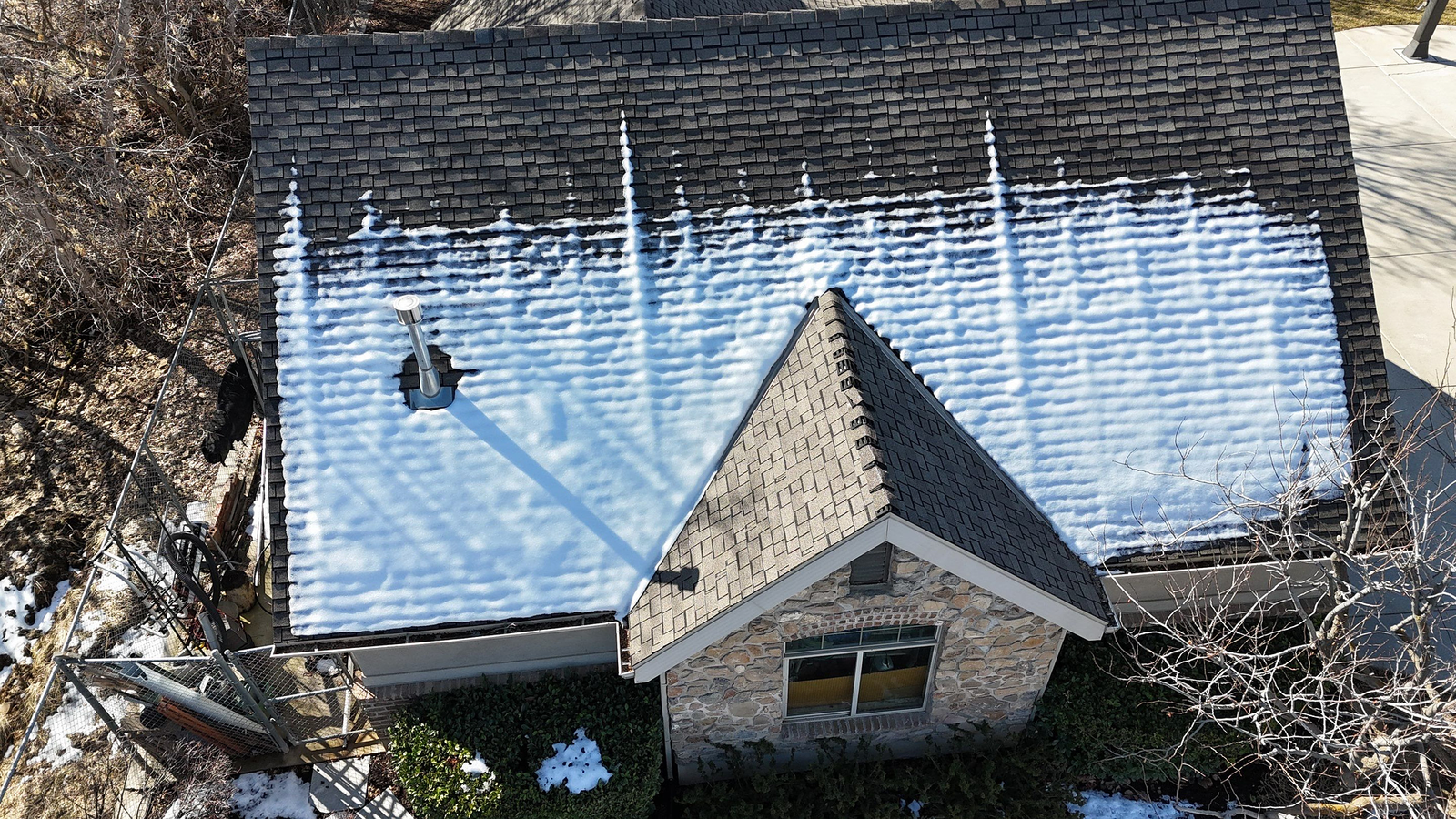
Utah’s winter conditions can vary dramatically from year to year. The 2025–26 winter was unusually warm, with the Utah Division of Water Resources reporting the state’s lowest recorded snowpack and a record-warm winter. But the risk isn’t simply about how much snow falls. The way snow accumulates on a roof matters, too. Snow can drift and pile up around dormers, chimneys, roof valleys, and other changes in the roofline, creating areas of concentrated weight.
Most residential roofs are built to handle typical snow loads, but a roof that’s already weakened by rot, water damage, or aging decking is far more likely to sag or develop problems under that added stress. That’s why a pre-winter roof inspection can be valuable. A professional can check the visible condition of the roofing system and look for signs of sagging, deterioration, moisture damage, or other concerns before the next major snowfall. The goal isn’t to assume heavy snow will damage your roof. It’s to find out whether your roof is entering winter with an existing weakness that could make snow a bigger problem.
4. Strong Winds and Hail
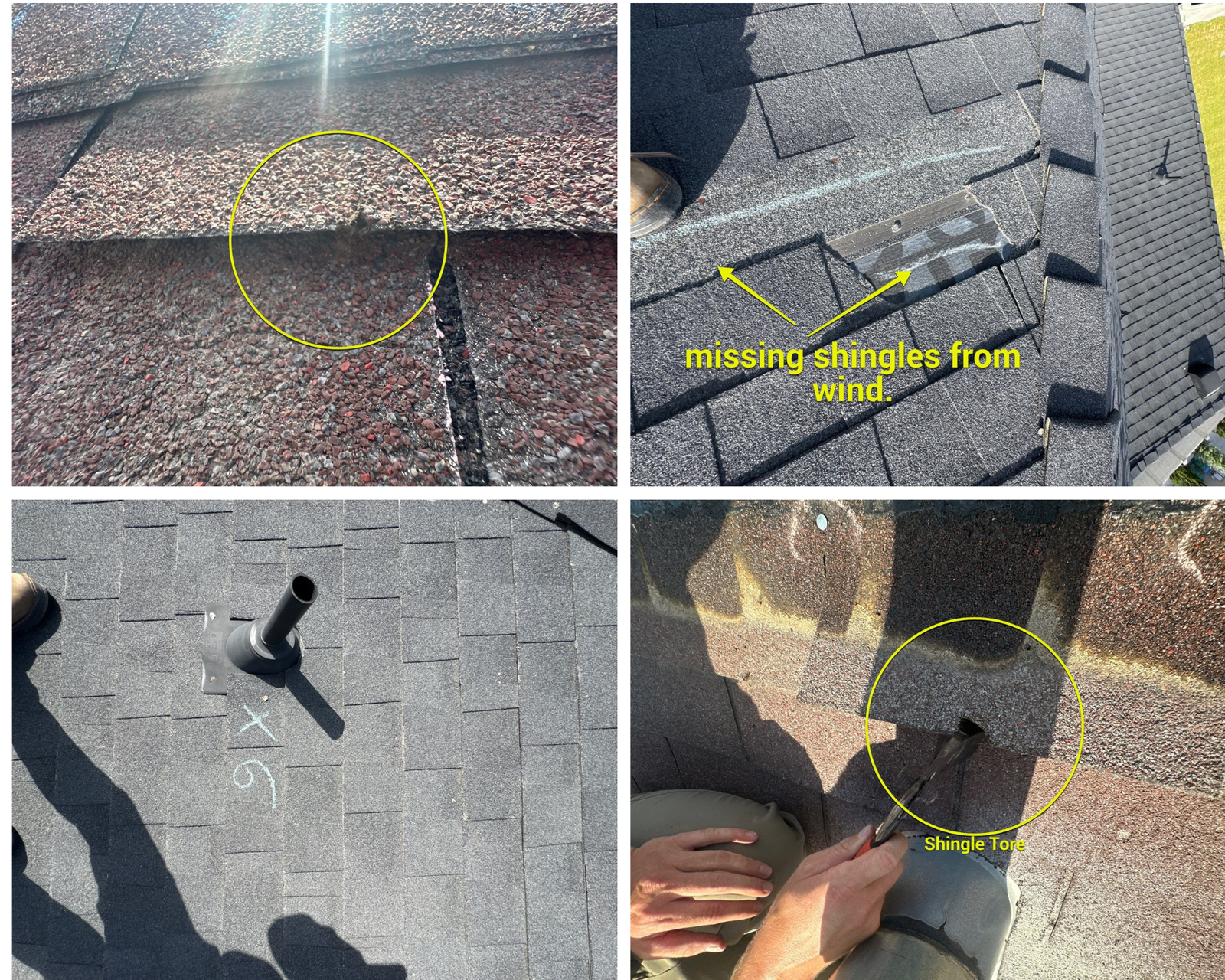
High winds are common along the Wasatch Front and in the valleys, and they can loosen or completely lift shingles, tiles, and flashing without leaving damage that’s visible from the ground. Hail is another frequent visitor in Utah storms, and it can bruise or crack shingles and tiles in ways that don’t cause an immediate leak but do shorten the life of the roofing material.
The table below shows what common wind- and hail-related roof damage can look like and what can happen if it’s left unchecked:
| Damage Type | Visible From Ground? | Typical Cause | Risk If Ignored |
| Granule loss | Rarely | Hail impact | Faster shingle aging, leaks |
| Lifted/missing shingles | Sometimes | High wind | Water intrusion, further wind loss |
| Bruised shingles | No | Hail impact | Cracking and leaks over time |
| Bent flashing | Rarely | Wind uplift | Leaks at joints and edges |
Because this kind of damage is often subtle at first, it’s easy to miss until it turns into a leak during the next storm. A roofing inspection after a major wind or hailstorm, or as part of your annual check, helps catch dented, cracked, or displaced roofing material early, which matters for both the roof’s performance and for any insurance claim you may need to file.
Conclusion
Utah’s mix of scorching summers, freezing winters, heavy snowfall, and unpredictable storms means your roof works hard year-round. A roof inspection in Utah is one of the simplest ways to stay ahead of wear and catch small problems while they are still easy and affordable to fix, rather than waiting until they require major repairs. If it’s been a while since your roof was checked, or you have noticed anything from missing shingles to a slow drip in the attic, Rooval Roofing is here to help.
Our licensed roofers serve homeowners throughout Utah County and Salt Lake County, including Lehi, American Fork, Provo, Draper, and surrounding communities. We inspect the roofing system, document relevant findings with photographs, and provide a clear summary of our findings so you can decide what to do next. Reach out to schedule your free roof inspection today, and protect the investment you have made in your home.
FAQs
Utah roofs experience a wide range of weather conditions throughout the year, including summer heat and UV exposure, winter freezing temperatures, snow, hail, and high winds. Regular inspections can help identify damage or deterioration before it develops into a more significant roofing problem.
Every Utah homeowner should inspect their roof annually, given the state’s mix of summer heat, UV exposure, snow, freezing temperatures, hail, and wind.
The best times are late summer to early fall (August–October) and late spring (March–May). A fall inspection helps prepare your roof for snow, freezing temperatures, and ice, while a spring inspection can identify damage from winter weather and freeze-thaw cycles. After severe weather, don’t wait for these windows.
Yes. A hail damage roof inspection is worth considering after a significant hailstorm because hail can crack, bruise, or loosen roofing materials without causing an immediate leak. A professional roof inspection in Utah can identify damage that may not be visible from the ground and help you address it before it worsens.
Yes, it’s a good idea to have your roof checked after heavy snow. A professional inspection can identify signs of stress, moisture intrusion, damaged shingles, flashing issues, or other problems that may have developed during the winter. This is especially important if the snow was unusually heavy or accumulated for an extended period.
Yes. Utah winters can expose roofs to freezing temperatures, freeze-thaw cycles, snow, ice, and moisture. These conditions can worsen existing weaknesses in shingles, flashing, sealants, decking, and other roofing components.
Yes, a professional inspection can identify damage that isn’t obvious from the ground. Depending on the inspection, a roofer may also examine accessible attic areas or use moisture-detection tools to investigate suspected leaks or moisture intrusion.
Consider scheduling a roof inspection if you notice missing or damaged shingles, granules in the gutters, damaged flashing, moisture in the ceiling or attic, visible sagging, water stains, or signs of storm damage. An inspection can also be worthwhile if your roof hasn’t been checked for an extended period.
The time varies depending on the size, design, pitch, accessibility, and condition of the roof. A straightforward residential inspection may take less time than an inspection involving a larger or more complex roofing system.