Key Takeaways
- Before the estimate: Get proof of insurance from the agent, not the roofer.
- At the estimate: Insist on an attic inspection and photos.
- Before you sign: Compare itemized quotes and read the workmanship warranty.
- Before final payment: Collect lien waivers from the roofer and suppliers.
- At the door: Sign nothing, especially insurance paperwork.
Most roofing horror stories don’t start on the roof. They start at the kitchen table, with a rushed estimate, a handshake, and a homeowner who doesn’t know which questions to ask. In Utah, this can happen more often after a hailstorm, when out-of-state roofing crews go door to door looking for work.
That’s why choosing a roofer takes more than asking, “Are you licensed?”
Hiring a roofer in Utah starts with verifying their contractor license, insurance, local experience, and written estimate. You should also ask how they handle snow, ice dams, storm damage, warranties, and payment protection.
The 15 questions below explain what to ask, what a reliable response should include, and which warning signs deserve a closer look. Use them to compare roofing contractors before signing a contract.
Questions About Licensing and Insurance
If a roofer can’t pass these three, the rest of the conversation doesn’t matter.
Question 1. Are You Licensed in Utah, and What’s Your License Number?
Utah requires roofers to be licensed by the Division of Occupational and Professional Licensing (DOPL). Roofing work can be done under the S280 Roofing Contractor license or the B100 General Building Contractor license, which covers roofing along with most other building trades.
- Why it matters: An unlicensed roofer may not carry the insurance the state requires, and it can affect your protection under Utah’s lien law if something goes wrong with payments (see Question 13).
- Good answer: “Here’s our license number. It’s also on our website, our truck, and the contract.”
- Red flag: “We’re licensed” with no number, a license from another state, or “we work under someone else’s license.”
- Check it yourself: Search the company or owner name on DOPL’s license lookup. Make sure the license is active, the name matches the company on your contract, and the classification covers roofing.
Let’s search the license for Rooval Roofing:
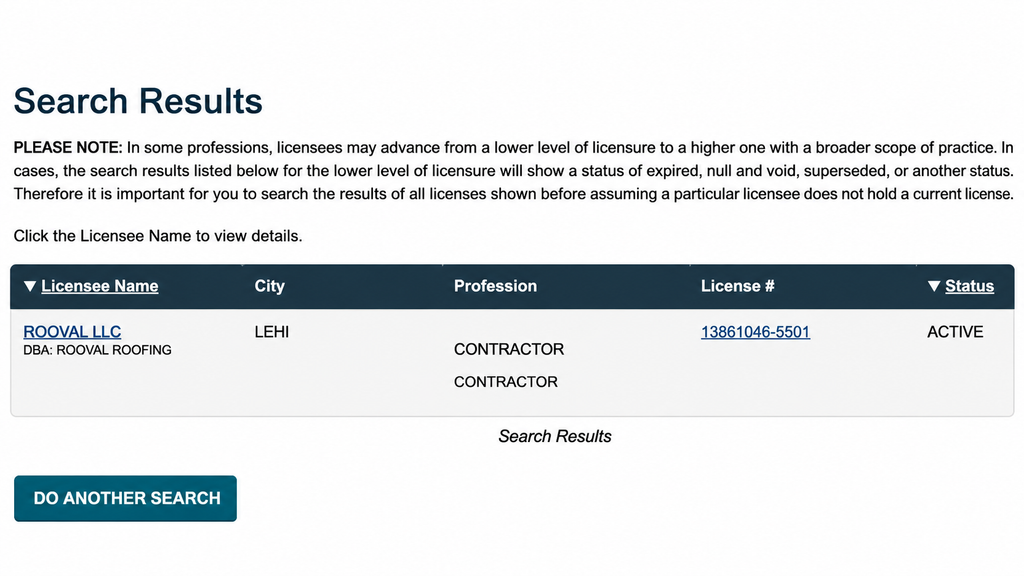
Utah DOPL search results confirm that Rooval LLC, doing business as Rooval Roofing, has an active contractor license.
Result:
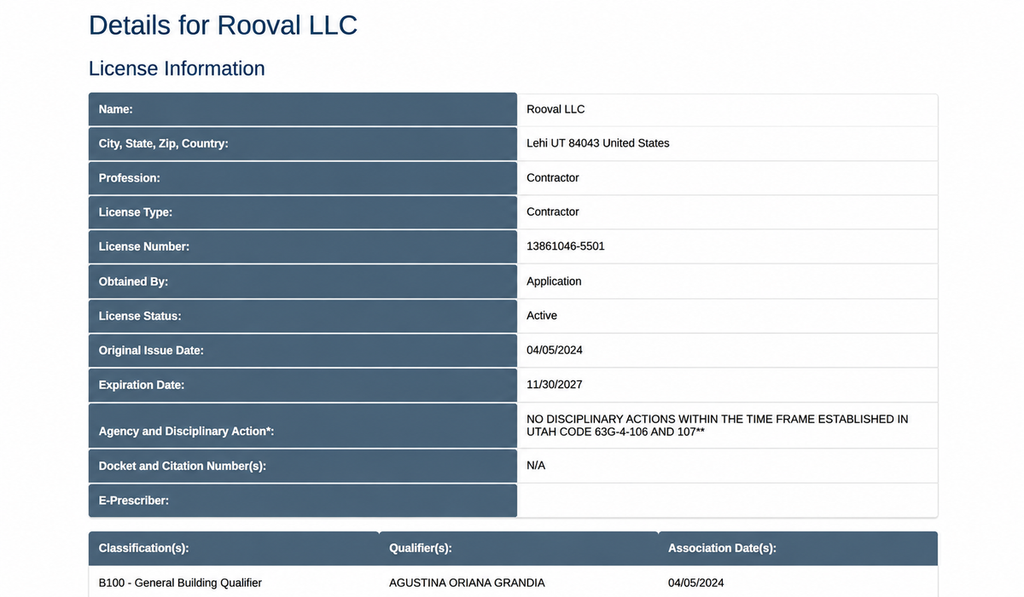
Rooval LLC Contractor License Information. Division of Occupational and Professional Licensing (DOPL) showing active contractor license 13861046-5501, issued April 5, 2024.
Question 2. Do You Carry Liability Insurance and Workers’ Comp?
Before hiring a roofer, ask for proof of general liability coverage and workers’ compensation coverage, or documentation explaining any lawful exemption. Verify the details with the insurance provider rather than relying only on a certificate handed to you.
- Why it matters: Roofing is one of the riskiest trades. You don’t want a fall, a dropped bundle through a skylight, or a damaged gutter to land on your homeowners policy.
- Good answer: “Yes to both. I’ll have our insurance agent send you the certificates directly.”
- Red flag: “Our guys are independent contractors, so we don’t need workers’ comp,” or a certificate that’s expired, blurry, or in a different company’s name.
- Check it yourself: Ask for a certificate of insurance sent straight from the insurance agent, not a photo from the roofer’s phone. Call the agent listed to confirm the policy is active for your project dates.
Question 3. Where is Your Business Based, and How Long Have You Worked in Utah?
You want a roofer with a real, local address who will still be here when your warranty matters. After every big hail or wind storm, out-of-state crews flood Utah neighborhoods, sign as many jobs as they can, and move on.
- Why it matters: A warranty is only as good as the company standing behind it. If your roof leaks next winter, you need someone who picks up the phone.
- Good answer: A street address in Utah, a Google Business Profile with years of reviews and jobs in your area they can point to.
- Red flag: A brand-new business name, no website or reviews or “we’re based wherever the storm is.”
- Check it yourself: Look the address up on Google Maps. Read reviews from the past year, especially ones that mention your city, and check the business owner’s name too. Some operators close and reopen under new names to leave bad reviews behind.
Questions About Who Does the Work
Question 4. Will Your Own Crew Do the Work, or Subcontractors?
Plenty of good roofers use subcontractors, but you deserve to know who will be on your roof and who is responsible for them. The person who sells you the job and the people who install it are often not the same.
- Why it matters: Quality, cleanup, and warranty claims all depend on who did the work. Subcontractors also need to be paid, which ties into lien risk.
- Good answer: “Our own crew does the install, and I’ll be on site,” or “We use a sub we’ve worked with for years. Here’s their license, and our foreman supervises every day.”
- Red flag: “Whoever’s available that week,” or a salesperson who can’t tell you who the installers are.
- Check it yourself: Ask for the name of the crew lead and whether they’ll be there every day. If subcontractors are used, ask for their license and insurance too.
Questions About the Inspection and Estimate
Question 5. Will You Inspect the Attic, Not Just the Shingles?
A responsible roof inspection includes the attic. That’s where you find leaks, rotted decking, poor ventilation, and moisture that never shows up from the driveway. A roofer who only walks the shingles is guessing about half the roof.
- Why it matters: Hidden decking damage or ventilation problems change what your roof actually needs, and what it costs.
- Good answer: “Yes. We check the decking from underneath, look for moisture and staining, and check ventilation and insulation.”
- Red flag: A quote handed over after 10 minutes on the roof, or after looking at it from the ground.
- Check it yourself: Notice whether they ask to see the attic. If they don’t, ask why not.
Question 6. Can You Show Me Photos of What You Found?
You should never have to take a roofer’s word for damage you can’t see. A good roofer photographs what they find and walks you through it.
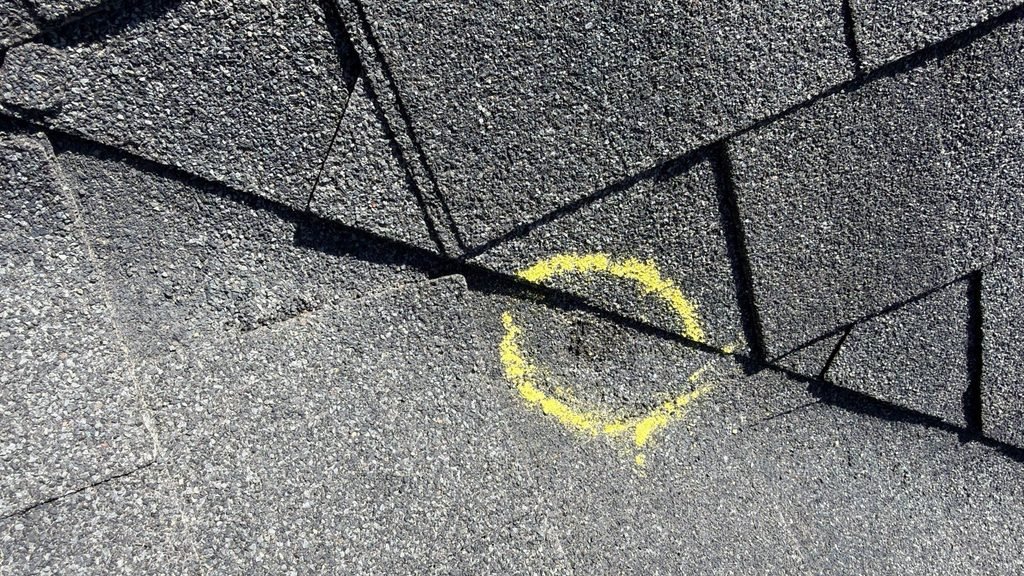
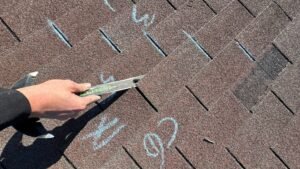
A hail hit circled in chalk and photographed up close during a roof inspection in Kaysville, Utah.
- Why it matters: Photos protect you from both overselling (“the whole roof is shot”) and underselling (“looks fine”).
- Good answer: “Yes, here’s every slope. The chalk circles are the damage, and here’s a close-up of each one.”
- Red flag: If they say things like, “Trust me, it’s bad up there” or “We do not take inspection photos”.
- Check it yourself: Ask for the photos to be sent to you. Look for wide shots that show it’s your house, plus close-ups.
How Rooval Roofing Inspected a Roof Leak in Lindon, Utah
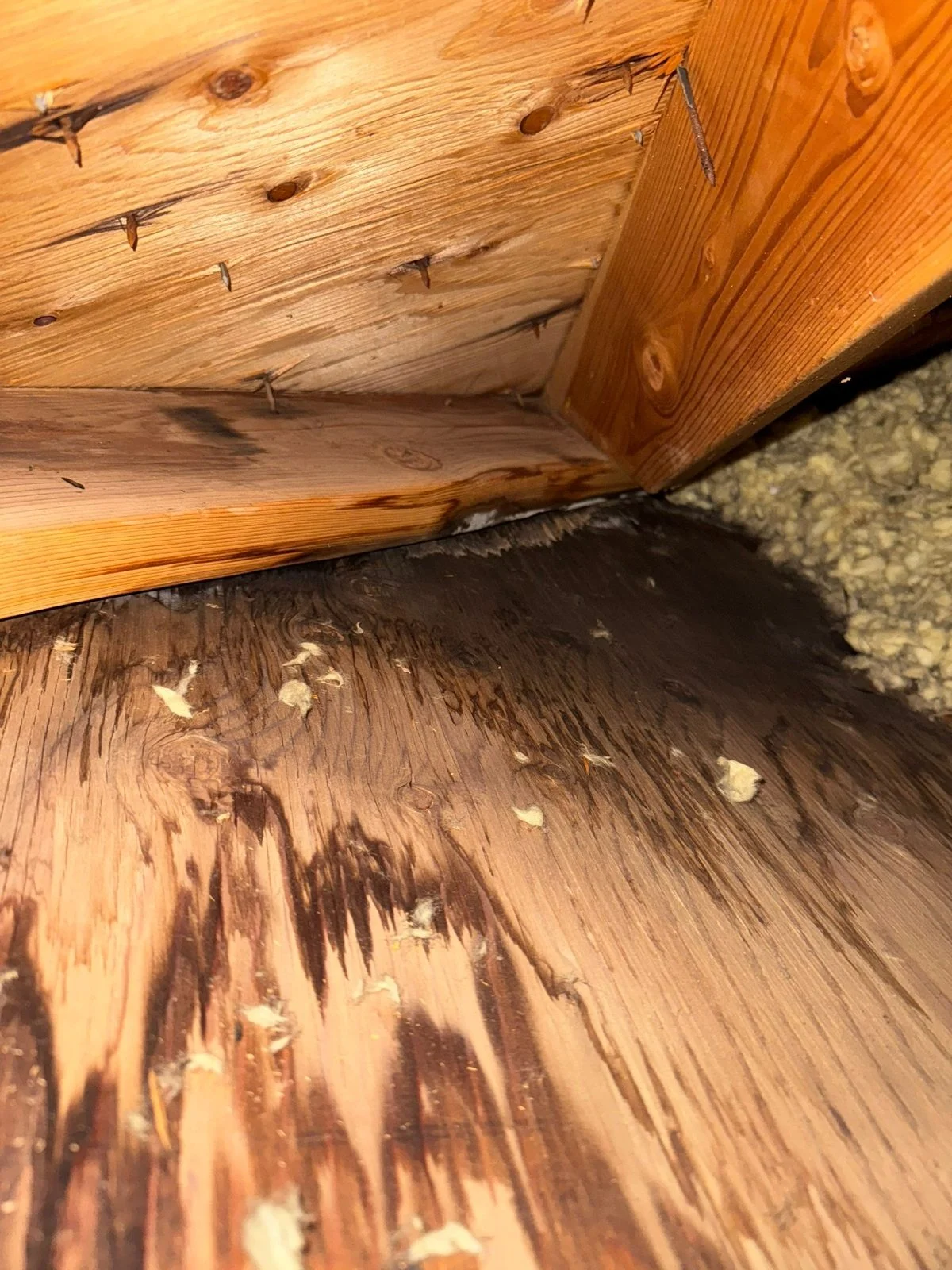
Moisture staining under the roof deck, found during an attic inspection in Lindon, Utah. Damage like this rarely shows from the driveway.
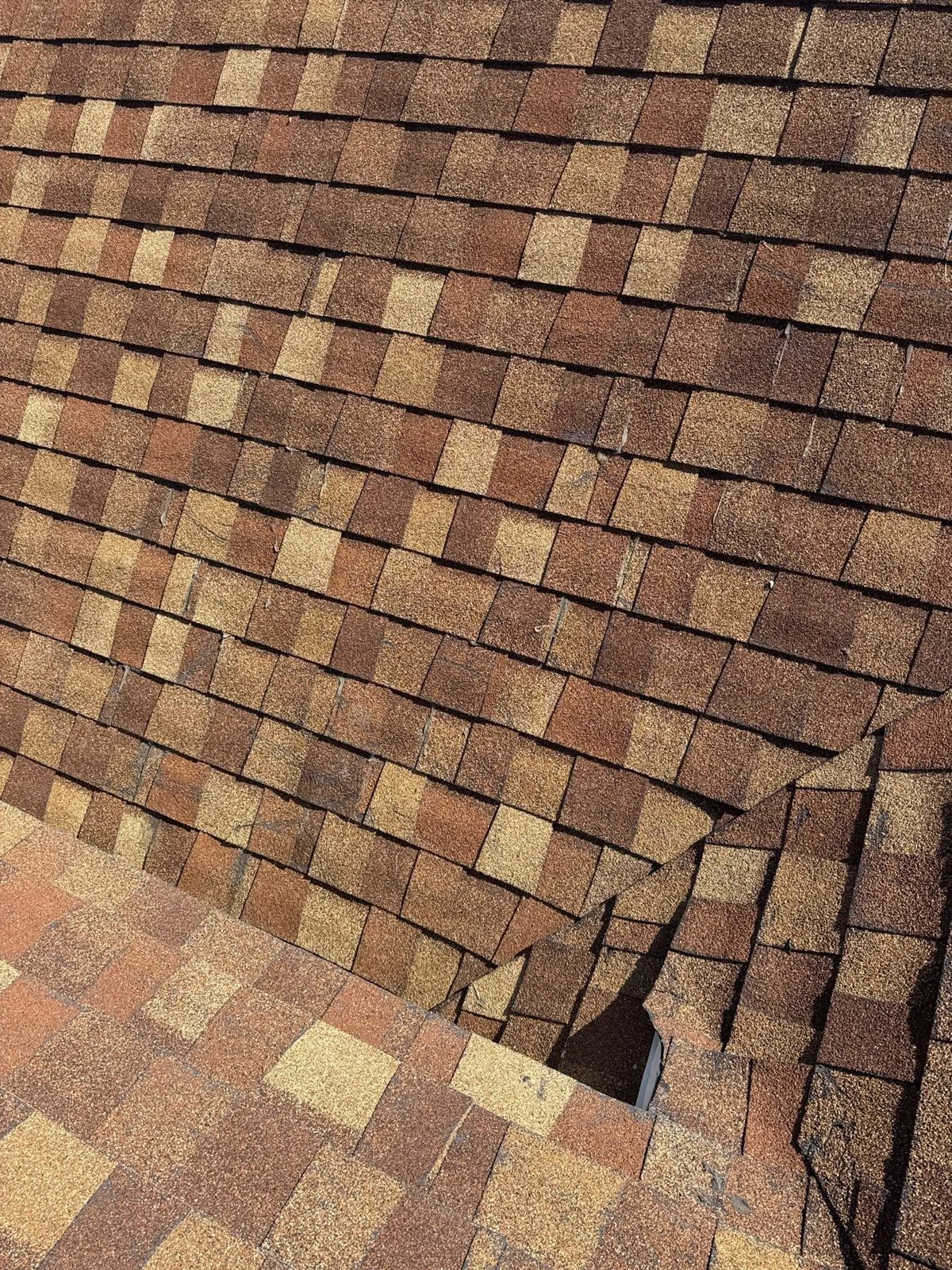
Missing shingle pieces and an older sealant patch near a roof valley, documented during a Rooval Roofing inspection in Lindon, Utah, in October 2025. The exterior damage corresponded with water staining found inside the attic.
In October 2025, our Rooval Roofing team inspected a home in Lindon, Utah, after the homeowner reported water leaking into the attic.
We started inside the attic, where we found dark water stains on the underside of the roof decking near a valley. We then inspected the roof from outside and documented missing shingle pieces at the base of the valley, along with an older sealant patch.
By checking both sides of the roof and taking photos of the visible damage, we were able to document the areas that needed closer attention.
This is why we recommend asking your roofer for inspection photos. They help you see the problems for yourself and better understand the repairs being recommended.
Question 7. Does My Roof Need a Repair or a Full Replacement?
This is the question where honesty shows up, or doesn’t. Many roofs with a leak or storm damage need a repair, not a new roof. A good roofer explains which one you need and why, with evidence.
- Why it matters: A replacement can cost many times more than a repair. You only want to pay for one if your roof actually needs it.
- Good answer: “Here’s what I found, here’s why a repair will or won’t hold, and here’s what I’d do if it were my house.”
- Red flag: Jumping straight to “you need a whole new roof” without photos, or a roofer who has never recommended a repair.
- Check it yourself: Get a second opinion on any replacement recommendation, especially if the recommendation came from a roofer who knocked on your door. See How Long Does a Roof Last in Utah? to understand where your roof is in its life.
Question 8. Will I Get a Written, Itemized Estimate?
Always get it in writing, with line items. A one-line quote makes it impossible to compare roofers and easy to add surprise charges later.
- Why it matters: Itemized quotes let you compare apples to apples, and they protect you from change orders you didn’t agree to.
- Good answer: A written quote listing tear-off and layers, decking replacement and its per-sheet price, underlayment, ice and water shield, flashing, vents, drip edge, disposal, permits, and cleanup.
- Red flag: A verbal price, a “starting at” number, or a quote that leaves out decking. Decking is where surprise charges usually come from.
- Check it yourself: Line up two or three estimates side by side. If one is much lower, look for what’s missing. Our roof replacement cost guide and roof decking guide explain what each line should cover.
Questions About Materials and Utah Weather
Utah roofs deal with heavy snow, freeze-thaw cycles, hail, canyon winds, and strong high-altitude sun. A roofer who installs the same way they would in Phoenix or Florida isn’t building for here.
Question 9. Which Shingles Do You Recommend for Utah Snow, Wind, and Hail?
A good roofer asks about your home before recommending a product: how exposed it is, whether your area sees hail, and how long you plan to stay. Architectural asphalt shingles are a common choice for Utah homes because they offer a balance of cost and durability.
However, the best roofing material depends on your roof’s pitch, location, budget, and local building code requirements. For homes in hail-prone areas, Class 4 impact-resistant shingles may be worth considering.
- Why it matters: The right shingle for your exposure can mean fewer storm repairs. Some insurance companies may offer discounts, so check eligibility with your insurer before choosing.
- Good answer: Two or three options with honest trade-offs in price and lifespan.
- Red flag: One product pushed hard, especially “the only shingle that works in Utah,” or no explanation of wind and impact ratings.
- Check it yourself: Ask for the exact shingle product name and color in your contract. Check the manufacturer’s specifications for wind ratings and impact-resistance classifications, such as UL 2218 Class 4. If you’re considering impact-resistant shingles, ask your insurance provider whether the specific product qualifies for a discount. Our guide to types of roof shingles for Utah homes also compares the options.
Question 10. Will You Install Ice and Water Shield and Check Attic Ventilation?
Ice and water shield is a sticky waterproof membrane under the shingles at the eaves and valleys, where ice dams push water backward. Balanced ventilation keeps the attic cold enough to limit ice dams and moisture.
- Why it matters: A roof can look perfect from the street and still leak every January because these were skipped.
- Good answer: We’ll install ice and water shield where required by code and appropriate for your roof, including vulnerable areas such as eaves and valleys. We’ll also evaluate attic ventilation and explain how the intake and exhaust vents will work together.
- Red flag: “You don’t need that,” “felt is fine everywhere,” or a blank look when you ask about ventilation.
- Check it yourself: Make sure ice and water shield, underlayment type, and ventilation are written into the contract, not just promised out loud. Ask for progress photos during the install showing the membrane before shingles go on.
Questions About Warranties
Question 11. What Warranties Come With the Roof, and Who Backs Them?
Most new roofs come with two separate warranties. The manufacturer warranty covers defects in the shingles. The workmanship warranty covers how the roof was installed, and it matters most if your roof leaks because of a mistake. Ask how long each lasts, what it covers, and whether it transfers if you sell your home.
- Why it matters: Many roof failures come from installation, not defective shingles. A long manufacturer warranty doesn’t help if the installer is gone.
- Good answer: Both warranties in writing, with clear terms, plus confirmation that they’ll register the manufacturer warranty in your name.
- Red flag: “Lifetime warranty” with no paperwork, or a workmanship warranty from a company that started last year in another state.
- Check it yourself: Read the warranty documents before you sign, not after. Note who you’d call for a claim and whether that company will realistically still be around.
Questions About Payment and the Contract
Question 12. How Much Deposit Do You Need, and When is the Rest Due?
Some roofing contractors require an upfront deposit to cover materials or scheduling, which is not automatically a warning sign. However, homeowners should be cautious about large upfront payments, especially when there is no written contract or clear payment schedule. Before paying, make sure the deposit amount, payment milestones, and remaining balance are documented in the contract.
- Why it matters: A written payment schedule helps protect homeowners if the project is delayed, incomplete, or disputed. Payments tied to documented work milestones make it easier to track progress and understand what you’re paying for.
- Good answer: A clear explanation of any required deposit, a written payment schedule tied to project milestones, invoices for payments, and final payment terms documented in the contract.
- Red flag: Full payment upfront, cash only, a check made out to a person instead of the company, or a half deposit just to get a quote.
- Check it yourself: Review the written contract before making any payment. Confirm that the company name matches the contractor’s license, check that payment amounts and milestones are clearly listed, and request an invoice or receipt for every payment. Keep copies of your contract, invoices, and payment records.
When Paying in Full Wasn’t the End: A Lehi Lien Story
In June 2026, KSL Investigates reported on a Lehi couple who said they had paid for their new roof in full but later discovered that a materials supplier had filed a construction lien of more than $8,000 against their home.
According to KSL, the supplier claimed it had not received payment, while the roofing company maintained that it had paid. The roofer’s attorney said the dispute arose because the supplier applied a payment to an older invoice rather than the couple’s roofing project.
The lien was eventually removed after the roofing company and supplier reached a settlement.
The case highlights why homeowners should keep payment records and request appropriate lien waivers, even after paying their roofing contractor in full.
Question 13. Will You Give Me Lien Waivers From Your Suppliers?
This is the question many homeowners overlook, and it’s directly connected to the Lehi lien story above. If your roofer fails to pay a materials supplier or subcontractor, that company may be able to file a lien against your home, even if you’ve already paid the roofer in full.
- Why it matters: A construction lien can complicate a home sale or refinance, even if you’ve already paid your roofer. Although Utah’s Residence Lien Recovery Fund is depleted, qualifying homeowners may still obtain protection through a Certificate of Compliance issued by the Utah Division of Professional Licensing (DOPL). Keeping proper contracts, payment records, and lien waivers can help protect your interests.
- Good answer: Yes. We’ll provide lien waivers from our company and relevant suppliers or subcontractors as payments are made, along with final documentation showing the amounts owed have been paid.
- Red flag: “You don’t need that,” or a vague promise that everyone gets paid without providing documentation.
- Check it yourself: Request appropriate lien waivers from the roofer and relevant suppliers or subcontractors before making final payment. Keep copies of your signed contract, invoices, waivers, and payment records. If a
- lien is filed despite full payment, check whether you qualify for a Certificate of Compliance through Utah DOPL.
Utah Homeowner Protection to Know About
Although Utah’s Residence Lien Recovery Fund has been depleted, eligible homeowners can still apply for a Certificate of Compliance through DOPL. Requirements may include a written contract with a licensed contractor and proof of full payment.
If DOPL issues a qualifying certificate, a lienholder must release the lien within 15 days of the date the homeowner mails the certificate by certified mail.
Keep your signed contract, invoices, payment records, and lien waivers. If a lien dispute occurs, review DOPL’s current requirements and application deadlines.
Questions About Storm Damage and Insurance Claims
If hail or wind brought you here, these two questions matter most. Storm-related demand can attract both legitimate contractors and opportunistic operators. Ask these questions to differentiate:
Question 14. Will You Work With My Insurance Adjuster?
A good roofer documents the damage with photos, meets your adjuster on the roof if you want them to, and explains what they found. But the claim is yours. You decide what to file and who to hire.
- Why it matters: Good documentation can be the difference between a denied claim and an approved one. A roofer who inflates damage can also put you at risk.
- Good answer: “We’ll give you photos and a written report, and we can meet the adjuster. You stay in charge of the claim.”
- Red flag: “We’ll handle everything with your insurance; you don’t need to talk to them,” or any suggestion of adding damage that isn’t there.
- Check it yourself: Call your insurance company yourself to start the claim. Our storm damage documentation guide walks through what to photograph and how to save it.
Question 15. What Will You Ask Me to Sign Before My Claim is Approved?
Before signing anything, ask your roofer to explain what the agreement means. Some documents may authorize an inspection or outline proposed work, while others may create binding obligations, cancellation fees, or affect your insurance rights. Review the terms carefully, especially if you’re being asked to sign before your insurance claim is approved.
- Why it matters: The Utah Insurance Department warns homeowners to read contracts carefully and avoid signing away insurance rights to third parties, which can even lead to lawsuits you never authorized.
- Good answer: We’ll explain what each document covers, whether it’s binding, and whether there are any cancellation fees or insurance-related terms. You can review everything before deciding whether to sign.
- Red flag: A contract signed at the front door, an “inspection agreement” that turns into a binding contract, or an assignment of insurance benefits.
- Check it yourself: Don’t feel pressured to sign immediately. Read the entire agreement and check whether it commits you to the contractor, includes cancellation penalties, or assigns any insurance rights or benefits. Ask your insurance company or a qualified legal professional about terms you don’t understand before signing.
Three Answers That Mean You Should Walk Away
If you hear any of these, thank them for their time and move on. Any one of these is reason enough to walk away.
1. “We Need Full Payment Upfront”
No reputable roofer needs your whole payment before starting. Materials can be ordered on a reasonable deposit. Large upfront payment demands are one of the most common ways homeowners lose money.
2. “This Price is Only Good Today”
Roof damage doesn’t get dramatically worse overnight (unless it meets a storm), and fair prices don’t expire at sundown. “Today only,” “leftover materials from a job down the street,” and “I can only hold this crew until tomorrow” are pressure tactics.
3. No License Number, or No Local Address
If they can’t give you a Utah license number you can look up and a real Utah address, nothing else they say can be verified.
Free Roofer Scorecard: Bring This to Every Estimate
Interviewing two or three roofers? Use our free one-page scorecard. It lists all 15 questions with space to score each roofer’s answer as good, unsure, or red flag, side by side.
Want to send these questions by email instead?
Copy and paste this into an email to any roofer you’re considering:
Hi, before I schedule an estimate, could you answer a few questions?
- Are you licensed in Utah, and what’s your license number?
- Do you carry liability insurance and workers’ compensation?
- Where is your business based, and how long have you worked in Utah?
- Will your own crew do the work, or subcontractors?
- Will you inspect the attic, not just the shingles?
- Can you show me photos of what you find?
- Does my roof need a repair or a full replacement?
- Will I receive a written, itemized estimate?
- Which shingles do you recommend for Utah’s snow, wind, and hail?
- Will you install ice and water shield and check attic ventilation?
- What warranties come with the roof, and who backs them?
- What deposit do you require, and when is the remaining balance due?
- Will you provide lien waivers from your company and relevant suppliers or subcontractors?
- Will you work with my insurance adjuster if needed?
- What documents would you ask me to sign before my insurance claim is approved?
Thanks!
Get Straight Answers From a Local Utah Roofer
You now know more about hiring a roofer than most people do when they sign. Use it on every roofer you talk to, including us.
If you’d like a roofer who answers all 15 questions before you ask, Rooval Roofing offers a free roof inspection across Utah County, Salt Lake County, and Surrounding Areas.
- Photos of everything we find, explained properly
- An honest answer on repair vs. replacement
- A written, itemized quote with no deposit to get it
- A local, licensed crew that will still be here next winter
Frequently Asked Questions
Two or three is usually enough. It gives you a fair sense of price and lets you compare how each roofer answers these questions. If one quote is far lower than the rest, check what it leaves out before you get excited.
It can be, but be careful. Ask for their Utah license number and look it up on DOPL, don’t let them on your roof without permission, and never sign on the first visit. Get at least one other opinion from a roofer you contacted yourself.
If a roofer pressures you into insurance fraud, such as waiving your deductible or inflating damage, report it to the Utah Insurance Department’s fraud division. For unlicensed work or licensing complaints, contact DOPL at (801) 530-6628.